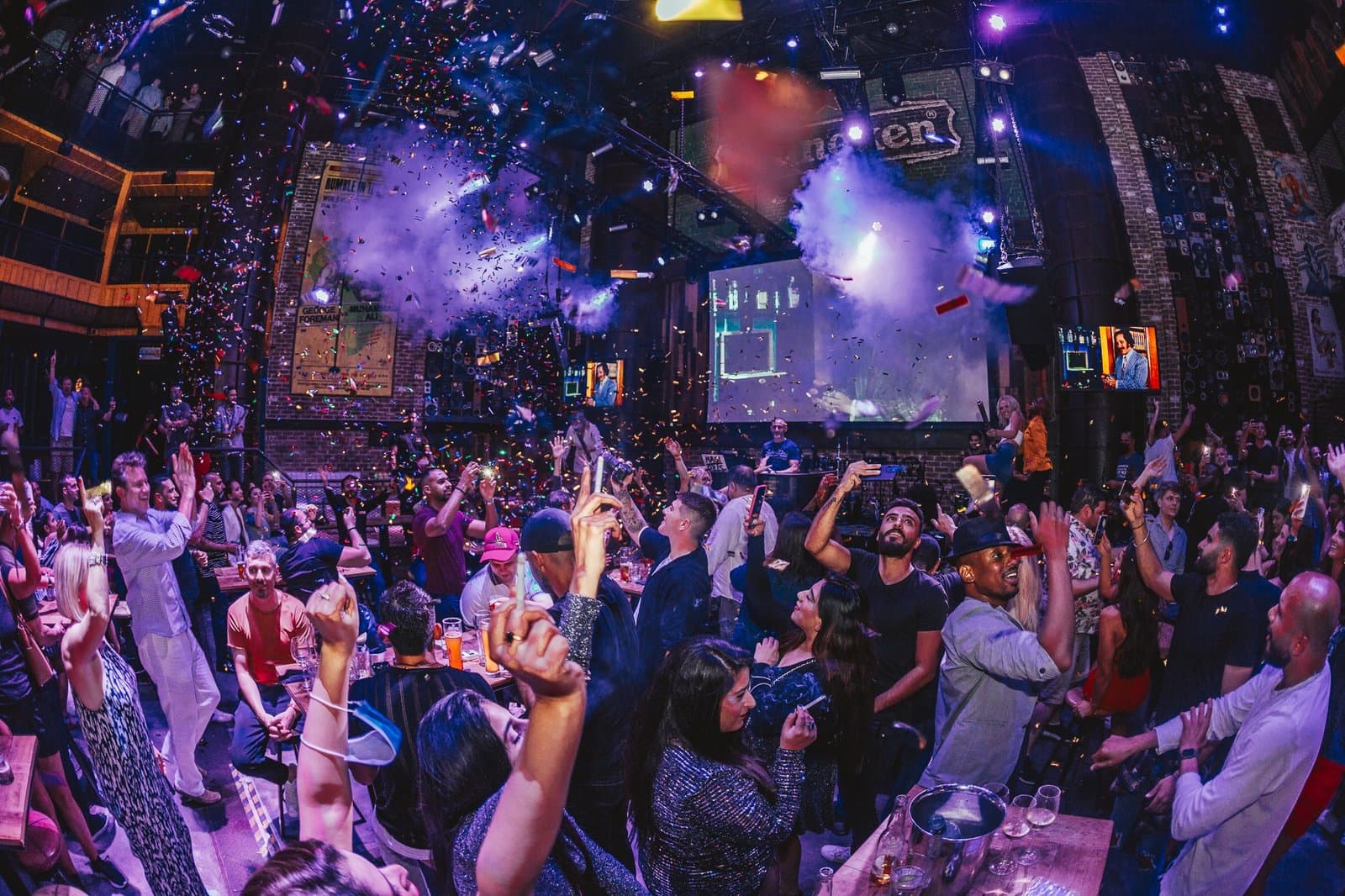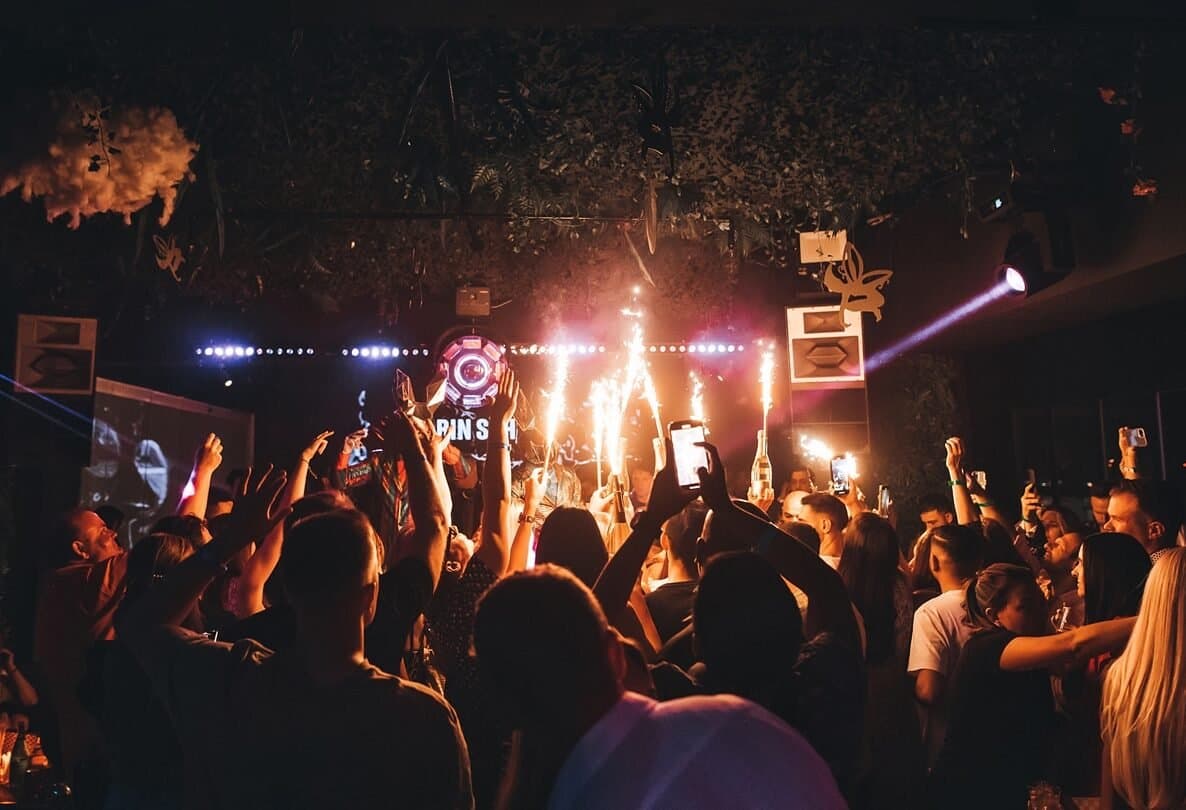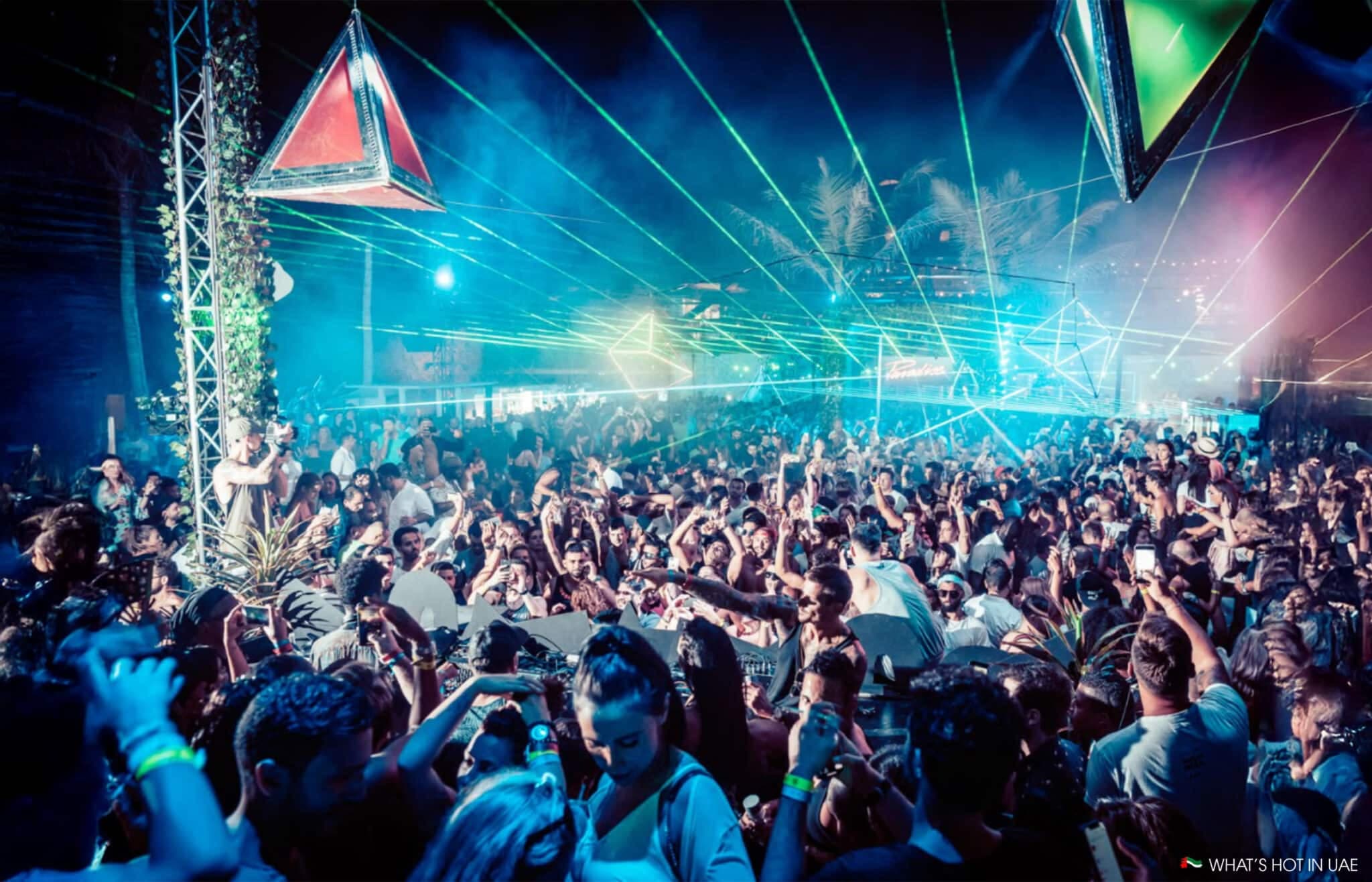
I’d choose a Dubai night out by the music, the room and the people coming with me—not by whether the venue is the newest name in town. A new concept can be exciting; an established night can still be the better choice. The current bill, location and reservation tell me something useful. A promise of global dominance does not.
My verdict: a good programme beats a new label
My pick is a clearly described night with a programme I want to hear and a bill I understand. I would not pay more for novelty alone, and I would not treat a familiar brand as proof that its old night still exists. The strongest change is one that improves the actual outing: a better-fitting room, a worthwhile artist or clearer access. That is the standard I would use to judge the relaunch.
Compare the formats in Dubai evening plans, then borrow the practical questions in reservation and cancellation checks when the evening includes a substantial restaurant commitment.
Two different nights I would compare this season
For a headline open-air show, I would start with the artist—not a generic promise of exclusivity. On 22 October 2026, Ushuaïa Dubai lists Black Coffee at Dubai Harbour on 24 October. Pacha ICONS lists Adam Port at FIVE LUXE JBR on 31 October. They are different dates and destinations, not two interchangeable names for the same night.
The choice I would make is simple: pick the bill the group wants, then choose dancefloor access or a table by how everyone actually spends the evening. I would not buy a table merely to sound VIP. If half the group wants to dance all night, a minimum-spend reservation needs a better reason than a photograph of the room. These are dated announced events, not a standing weekly timetable; after those dates, use the operator’s next programme.
What the Pacha booking commits you to
The Dubai FAQ says 21+ with valid ID, no open guest lists and non-refundable event tickets. If one name appears on the group’s tickets, arrive together. That is more useful to the person buying for everyone than assuming a familiar brand means door-list access.
Its Dubai table terms require 30% of the agreed minimum at booking and the other 70% no later than 72 hours before the event. The spend is redeemable against the stated à la carte menu; it is not money returned at the end of the night. For an illustrative AED6,000 agreed minimum, that means AED1,800 first and AED4,200 later—not an advertised table quote. The stated timely-cancellation options are another available date or a six-month credit note, not a cash refund. Get the terms for your actual reservation before paying.
For a smaller-room night, I would choose the room for the music and conversation the group wants rather than borrow the headline-event brief. A restaurant with a DJ, a listening bar and a large outdoor dancefloor ask different things of your evening. Honeycomb Hi-Fi’s music-and-dining format is a useful comparison when a meal belongs in the plan. It is not a replacement ticket for either headline show.
A useful new concept needs more than novelty. Our preference is a clear programme, a room or setting that suits the music, and a reservation whose terms the guest can understand. That can matter more than a claim of technology or exclusivity. For future openings, keep the announced plan separate from an actual bookable date; an intention to return or open is not the same as an operating evening available to a visitor.
What Venue Changes Mean for the Reader
Reinvention can improve a product or remove something regular customers valued. Judge the new version on its actual merits rather than assuming every closure and relaunch is a success. A different menu, music bill or seating arrangement can suit another audience. Our recommendation is to compare the current offering with the reason you want to go, not use a venue’s age or a new name as its quality score.
The public event and venue records are the useful evidence. They can establish an announced artist, location or reservation category. They do not provide private business margins, architectural contracts or privileged access to strategic investments. Keep those different kinds of information separate when discussing a changing scene. A strong visitor guide explains the available choice; a financial claim requires the actual records behind the business.
For current dates and destinations, compare our Going Out guides with the operator’s actual booking. Save the city, venue and date together before arranging travel.
Event processes and the guest’s admission rules
Official event processes provide a framework for organisers, rather than a guarantee that every venue change is government-directed. Dubai DET lists event and activation services for the relevant applications. For a particular event, establish the responsible organiser and actual requirements. A broad statement about policy should not become an invented explanation for why one business moved or closed.
For customers, the event’s published admission conditions are the useful part of that framework. Read the actual age, ID, access and arrival terms. A restaurant reservation, day pass and music ticket can have different rules, even under the same hotel brand. A premium category does not automatically override them. Keep the selected product ahead of a generic description of Dubai’s nightlife policy.
New programmes and tourism initiatives can provide context, but they do not establish why a specific venue changed. A closure, renovation and relocation need their own announcement. Our view is that the visitor benefits from a precise status and current alternative, rather than a sweeping explanation that every change improves the market. When a cause is not public, record the outcome without assigning a motive to the operator.

The room, entrance and table you are booking
The physical venue matters alongside its brand. An open-air show, rooftop room and restaurant lounge have different access, layouts and programmes. For a new booking, use the actual map and entrance rather than the address from an older guide. A brand can move while the former building continues to operate under another concept; those are separate facts for someone arranging an evening or transport.
Before travelling, check the exact location on the selected reservation. A familiar venue name does not guarantee it still uses the same hotel or entrance.
A new layout matters when it changes the seat you are buying. I would ask which zone the table occupies, whether everyone has a seat, what can be ordered against the minimum and when the party must arrive. A broad “VIP” label does not answer those questions. Get the zone and inclusions on the confirmation rather than using a promotional photograph to guess your view.
A change of concept can mean new food, different music or a different booking format. Compare those actual changes with your plans. An old guestlist or dining promotion may not continue after the change, even when the address is familiar. Our recommendation is to use the current reservation terms and a dated programme rather than treating a previous visit or photograph as permission for the new operation.
Choose for your group, not an imagined audience
Different groups want different evenings. Someone choosing a particular DJ can prioritise the artist, while a dinner group may care more about seating, menu and conversation. Neither preference needs to be presented as a universal trend. A useful guide makes the format clear, then lets the reader choose. The public programme provides a firmer basis than a claim that every affluent visitor wants the same experience.
People choose nightlife for different reasons, and a market-wide percentage needs a defined study before it can explain their preferences. For your own group, ask the practical questions directly: the music, seating, start time and spend. Our preference is an event that suits those answers, rather than an assumption that every affluent visitor wants novelty or that a survey should dictate the kind of evening to book.

Tourism Context Versus Business Performance
Tourism totals, venue revenue and investment returns are different measures. A public visitor report can give background, while a business outcome needs the actual accounts and period. Our view is that these levels should stay separate. A popular artist booking does not prove every operator is profitable, and a busy-looking promotional photograph is not a financial record for a club.
Boosting Tourism Figures: Beyond the Beaches and Malls
An entertainment programme can be one reason to choose a destination, but the visitor’s whole trip includes different activities and spending. The actual tour or accommodation reservation shows what is included. A nightlife article should not assign a precise extension to every guest’s stay without a study that measures that effect. For a reader, choose the events and other plans that fit the available time.
DET reported 19.59 million international overnight visitors in 2025, compared with 18.72 million in 2024. These are tourism figures, not proof that nightlife added 1.5 days to a visitor’s stay. Keep the year and measurement clear. The numbers give context for the wider destination without attributing the entire result to one venue format or entertainment programme.
An Audience Is Not an Investment Guarantee
A venue can appeal to a particular audience without being a suitable investment for every buyer. The actual business model, costs and risks need their own evidence. A public visitor guide should therefore explain the experience being offered, rather than promise a lucrative market simply because a city attracts affluent guests. Marketing labels and prestige are not substitutes for the records behind a commercial decision.
Returns cannot be described as consistently robust or high-yield from tourism growth alone. For a real business assessment, compare the actual operation and its financial records rather than an industry adjective. Our visitor recommendation remains narrower: choose an event that fits the occasion and a reservation whose inclusions are clear. A good night for a customer and a profitable investment are different claims.
The Actual Event Cost Structure
An event uses people and services across production, staffing, hospitality and transport. That gives a useful picture of its delivery, but it does not establish a precise city-wide economic multiplier. A budget should identify the actual suppliers and responsibilities. A visitor guide should explain the product and access. Both are clearer than assigning a numerical economic effect without the study required to support it.
The useful organiser comparison is the actual cost structure and delivery. Artist, venue, production and local services are separate items to establish, rather than assumed benefits to every related business. For a planning model, our DJ-event budgeting guide gives an illustrative break-even calculation with its assumptions stated. Use the real quotes and contracted income instead of an unverified economic multiplier.

New concepts worth judging on their actual offer
Future concepts are best assessed through specific announcements. A proposed technology, design or programme can be interesting without proving a wider market shift. Our recommendation is to follow the actual opening date and bookable product. A rendering or promotional statement is a description of intent, while an operating reservation gives a visitor something they can choose and use on the selected day.
Experiential Concepts & Immersive Venues: Beyond Traditional Clubs
An experience can focus on music, dining, art or another format. The combination is worth comparing when it is actually announced, but a guide should not assume every visitor wants more theatrical production than a straightforward DJ night. Our view is that clarity is the strength: explain what happens, where it takes place and what access is sold. A familiar format can still be the right choice.
For example, a waterfront music event and a restaurant with a DJ are different products. Compare the bill and the reservation, rather than assume a decorative theme makes them equivalent.
Sustainable Dubai Nightlife Initiatives: Balancing Glamour with Responsibility
An environmental claim needs a particular action and scope: what is being reduced, reused or measured, and by whom. A venue’s general sustainability language should not be treated as proof of an audited programme. For a reader who cares about that issue, use the operator’s specific information rather than a claim that the whole nightlife market shares the same practice or result.
A wider city initiative and an individual venue’s performance are different records. An operator can explain its own measures, while a claim of city-wide adoption needs a defined dataset. Keep those levels separate. A guide can point to a published action without claiming an environmental outcome that has not been measured or applying a public initiative to every club automatically.

Technology Integration: The Future of Interaction & Personalization
Technology matters when it makes the booking or visit more useful. A clear ticket, current map or accessible reservation information can be valuable without a dramatic new feature. Our recommendation is to judge the actual service a guest can use. A prediction about AI, holograms or biometric access is not proof that the selected venue has implemented it or that it is included in the ticket.
Cashless payment and advanced security adoption require a defined measure before they can support a city-wide statistic. For the visit you are planning, check the chosen venue’s accepted payments and entry process. A practical instruction about that reservation is more useful than an unverified adoption rate. Keep enough information with the ticket to understand what the guest is expected to bring or use.
Compare the Night You Want
For a traveller, the useful comparison is the actual music, venue, date and access. For a business reader, it is the specific operation and evidence about it. Neither needs a promise of privileged insight into elite circles. Our recommendation is to make the choice concrete, then verify the terms that affect the plan instead of treating an expensive label as a complete description of the evening.
Staying Ahead: Insider Tips & Resources
Follow the current named programme rather than an old opening announcement. The Ushuaïa Dubai calendar and Pacha ICONS programme are separate products. I would check the title, date and venue again on the purchase screen: the Adam Port page currently also carries text about a different Keinemusik event at Bab Al Shams on 21 November. That extra paragraph does not move the 31 October booking from JBR to the desert. Resolve any disagreement before paying; do not infer a second event or a combined ticket.

Strategic Engagement for Investors & Brands
For an organiser comparing venues or suppliers, define the actual event first. Artist, date, expected audience format, production and access drive the scope. A business plan needs evidence about that proposal, not a promise of a continuously high-yield market. Keep public tourism context separate from the costs and contracted income that determine whether one event or operation is viable.
Compare partners by the written scope, delivery and relevant evidence rather than a claimed connection to an exclusive social circle. For an event, clarify the access, equipment and services each party supplies. Our preference is a complete comparable quote over a lower headline figure with missing costs. The actual agreement matters more than a promise that a local partnership guarantees success.
Written Booking Terms Before Social Assumptions
For customers, follow the written venue and event rules. There is no need to invent an implicit hierarchy as a route to admission. A booking confirmation, correct arrival time and accepted ID are more useful than a promise of personal influence. If a table or accessible arrangement matters, get it confirmed through the actual reservation channel before travelling.
The strongest recommendation is to choose through the current programme. Dubai’s changing venue mix provides different options, but it does not make every new opening a success or every closure a strategic improvement. Compare the actual bill, setting and reservation with the night you want. That gives the reader a useful decision while keeping wider economic and cultural claims proportionate to the evidence.
For current event choices, use the Going Out coverage and the operator’s dated booking. An old article, a generic brand name or a rumour should not substitute for the specific access you are planning to buy.