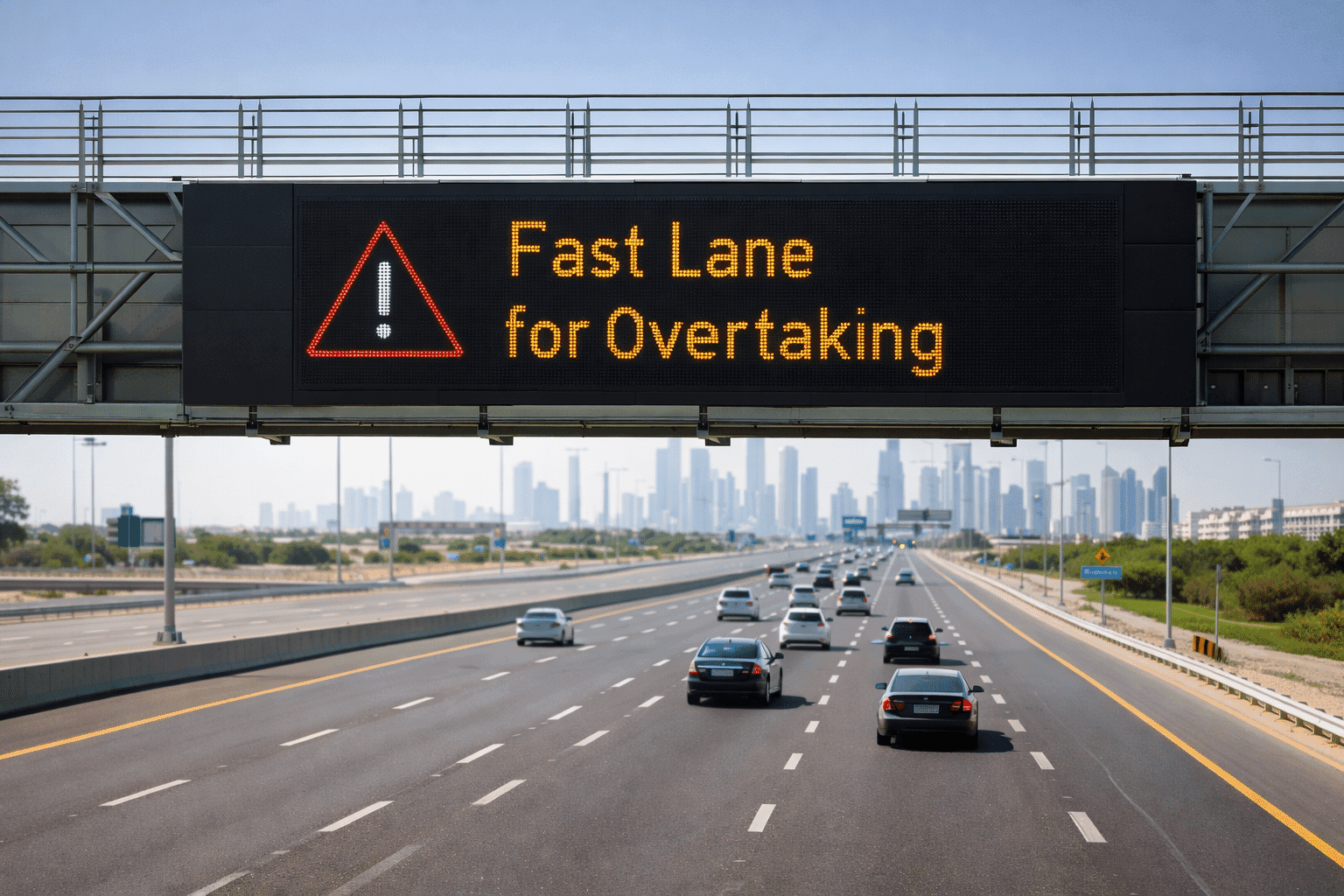
The sudden, aggressive roar of a modified exhaust tearing through an otherwise quiet evening is a sound many Dubai residents know all too well. In a lively, 24/7 metropolis, the line between the energetic buzz of the city and disruptive noise pollution can be thin. To combat this issue and enhance the quality of life…
The sudden, aggressive roar of a modified exhaust tearing through an otherwise quiet evening is a sound many Dubai residents know all too well. In a lively, 24/7 metropolis, the line between the energetic buzz of the city and disruptive noise pollution can be thin. To combat this issue and enhance the quality of life for everyone, Dubai has deployed a sophisticated, high-tech solution: AI-powered noise radars. This isn’t just about another traffic camera; it’s a targeted system designed to restore tranquility to residential areas. This guide serves as the definitive, all-in-one resource for both drivers and residents about the Dubai Noise Radars. We’ll demystify the technology, break down the significant penalties for violations, provide actionable advice on how to stay compliant, and empower you with the official methods for reporting noise disturbances.
How Dubai’s AI-Powered Noise Radars Actually Work
At its core, Dubai’s vehicle noise monitoring system is a marvel of smart city engineering designed to protect public welfare. It’s a precise and automated solution that removes ambiguity from noise violation enforcement. Instead of relying solely on an officer’s ear, the system uses data-driven evidence to identify and penalize offenders, ensuring fairness and accuracy in the process.
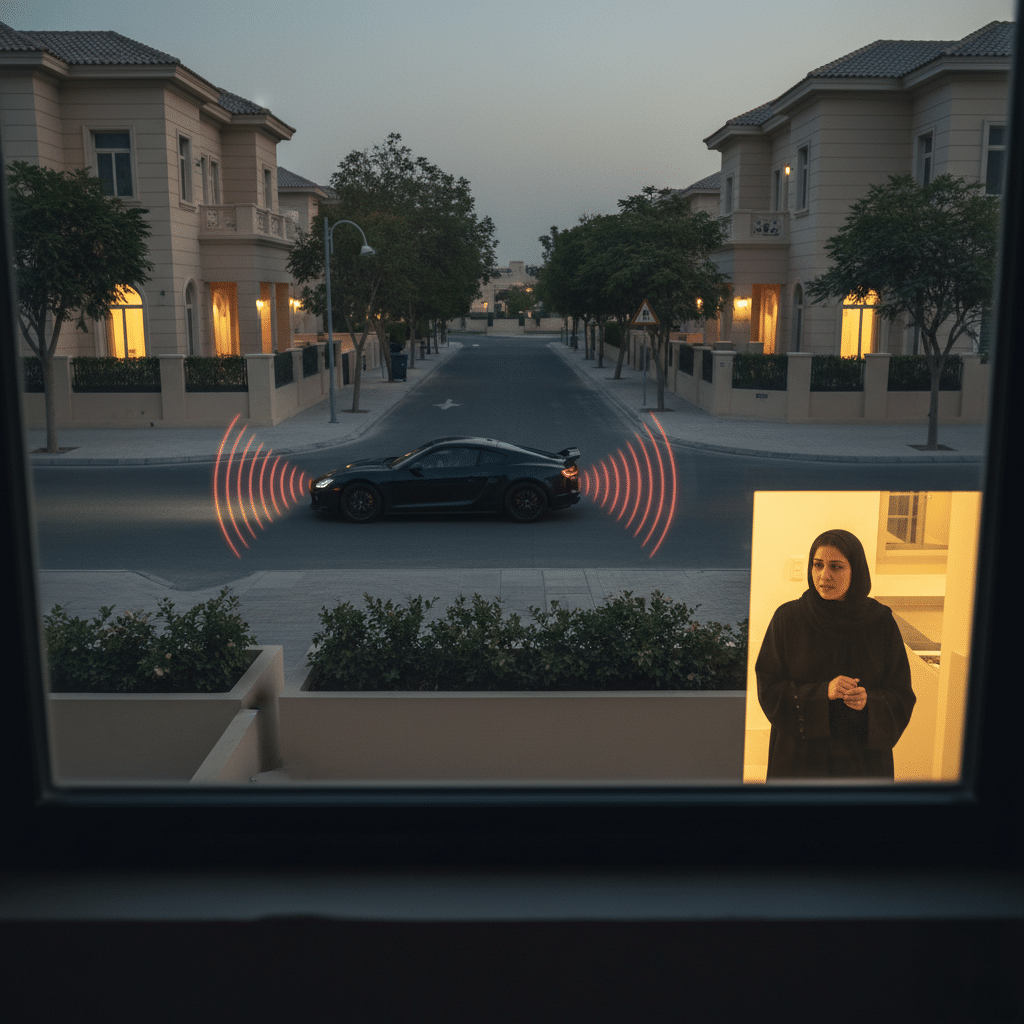
- Detection: High-fidelity microphones constantly monitor ambient sound levels. When a vehicle produces a noise spike above the legal limit, the system activates.
- Identification: An AI algorithm triangulates the sound’s origin, isolating the specific vehicle responsible. Simultaneously, a high-resolution camera captures the car’s license plate.
- Verification: The system records both video and audio evidence of the violation, creating an indisputable record of the event.
- Enforcement: The violation data and evidence are automatically transmitted to the traffic control center, where a fine is issued and sent to the registered vehicle owner.
The Technology Behind the Sound Detection
The effectiveness of these radars lies in their advanced components working in harmony. Each unit is equipped with a sophisticated sound detection system featuring an array of high-fidelity microphones. These microphones are capable of pinpointing the direction and intensity of a sound with incredible precision. The system’s AI algorithm is the true turning point; it cross-references the data from the microphones with video footage, effectively triangulating the source of the excessive noise to a single vehicle, even on a busy multi-lane highway. This allows it to distinguish a loud exhaust from background city noise like construction or sirens, ensuring only the offending vehicle is ticketed.
For a complete practical guide to life in the Emirates, explore our full Living in the UAE hub.
What Triggers a Noise Radar in Dubai?
A common question for drivers is what specific actions will set off these sensitive devices. While there is a technical threshold, the system is also designed to detect disruptive driving behaviours. A violation is typically triggered by:
- Exceeding the Decibel Limit: The primary trigger is producing noise that exceeds the legal limit of 95 decibels. For context, this is louder than a motorcycle at 25 feet but quieter than a live rock concert.
- Modified Exhausts: Vehicles illegally modified to amplify engine noise are a primary target. These modifications often produce sound levels far beyond the legal limit.
- Sudden, Aggressive Acceleration: Rapidly revving the engine or “flooring it,” especially from a standstill in a quiet area, creates a sudden noise spike that the system is designed to detect. Dubai Police have explicitly stated that this type of reckless driving is a key focus.
- Excessively Loud Music: While less common for the radar to target, car stereos played at an extreme volume can also contribute to noise pollution and may be subject to fines.
From Flash to Fine: The Automated Violation Process
Once the AI radar detects a violation, the process is swift and automated. The system doesn’t just “hear” the noise; it builds a case. It records a short video clip and an audio file that serve as concrete evidence of the infraction. The high-resolution camera captures a clear image of the vehicle’s license plate. This entire evidence package is bundled and sent directly to the Dubai Police traffic department’s database. From there, the fine is automatically processed and linked to the vehicle’s registration, with the owner receiving a notification of the violation. This evidence-based approach ensures a high degree of accuracy and minimizes the potential for disputes.
Full Breakdown: Noise Violation Fines and Penalties in Dubai
Ignoring Dubai’s noise regulations is a costly mistake. The penalties are intentionally severe to act as a strong deterrent, reflecting the authorities’ commitment to curbing noise pollution. These rules are grounded in the UAE Federal Traffic Law, which provides the legal framework for issuing these fines and penalties. Drivers caught by the noise radars face a combination of hefty fines, black points on their license, and even the possibility of their vehicle being impounded.
The Standard Fine: Loud Exhausts, Music, and Honking
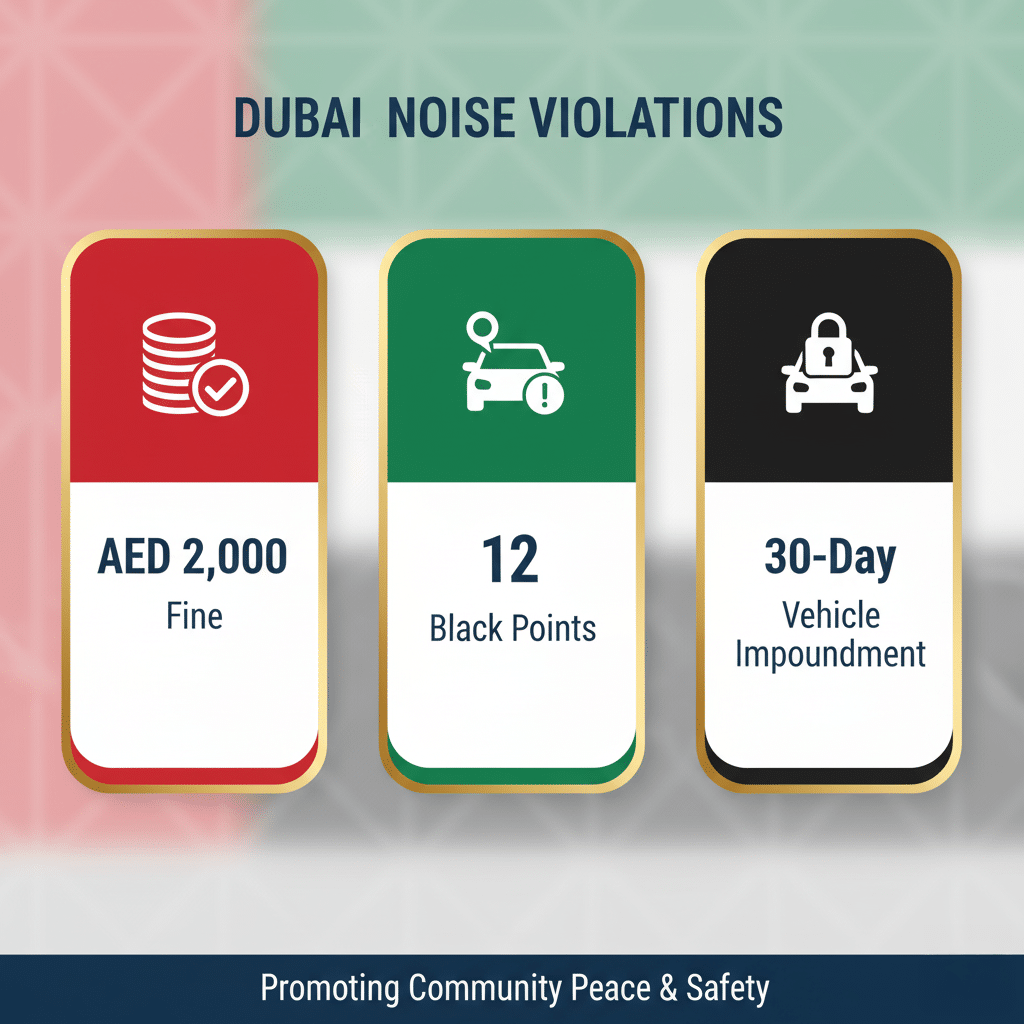
The most common noise-related offenses carry significant penalties designed to discourage repeat behaviour. Whether it’s a roaring exhaust, a blaring stereo, or unnecessary honking in a residential zone, the consequences are the same. According to official announcements by Dubai Police, these violations can result in a fine of up to AED 2,000 and the addition of 12 black points to the driver’s license.
Here is a simple breakdown of the primary penalties:
| Offense | Fine Amount | Black Points |
|---|---|---|
| Causing Excessive Vehicle Noise (e.g., modified exhaust) | AED 2,000 | 12 |
| Disturbing residents with loud music or honking | AED 400 | 4 |
Vehicle Impoundment: When Your Car Can Be Seized
The penalties can escalate far beyond fines and points. For serious violations, particularly those involving unauthorized vehicle modifications that enhance noise and engine performance, authorities have the power to impound the vehicle. A car can be seized for a period of up to 30 days. This not only causes a major inconvenience but also leads to substantial additional costs. According to reports, the fees to release an impounded vehicle for such modifications can reach as high as AED 10,000, making it an extremely expensive lesson in compliance.
A Driver’s Guide: How to Avoid Noise Fines in Dubai
The best way to deal with noise fines is to avoid them altogether. By understanding the rules and adopting a more considerate driving style, you can easily stay on the right side of the law. This isn’t just about saving money; it’s about contributing to a more peaceful community.
Here is a simple checklist of Do’s and Don’ts for Dubai drivers:
Do:
- Keep your vehicle stock: Use the manufacturer’s original exhaust system.
- Get regular maintenance: A faulty or aging exhaust can become louder over time.
- Drive smoothly: Avoid sudden, hard acceleration, especially in neighbourhoods and at night.
- Be mindful of your surroundings: Keep music at a reasonable level in residential areas, near hospitals, and schools.
Don’t:
- Install illegal modifications: Avoid any engine or exhaust modifications designed to increase noise.
- Unnecessarily rev your engine: This is a clear signal of disruptive driving.
- Use your horn excessively: The horn is for emergencies, not for expressing frustration.
Understanding Vehicle Modification Laws
The Roads and Transport Authority (RTA) and Dubai Police have clear regulations regarding vehicle modifications. Any change that alters a vehicle’s engine or base to increase speed or noise without official approval is illegal. This specifically targets aftermarket exhaust systems that bypass mufflers or are designed for amplification. Before making any changes to your vehicle, it’s crucial to consult with an RTA-approved centre to ensure the modifications are legally compliant.
Responsible Driving Habits
Beyond the mechanics of your car, your driving habits play a crucial role. This initiative is part of a broader push for greater civic responsibility and education among motorists. Aggressive driving, characterized by rapid acceleration and unnecessary revving, is precisely the behaviour the noise radars are programmed to detect. Adopting a defensive and considerate driving style not only keeps you safe but also ensures you won’t be flagged for creating a public disturbance. Remember that roads often run through communities where people live, work, and sleep.
A Resident’s Guide: How to Report a Noisy Car in Dubai
Residents are the front line in the effort to maintain community peace. If you are being disturbed by a consistently noisy vehicle, Dubai Police have made it easy to report the issue through official channels. Your report helps authorities identify problem areas and target enforcement more effectively.
Here’s how you can report a noisy vehicle:
- Use the Dubai Police App: The app has a feature called “Police Eye,” which allows you to report traffic violations, including noise pollution, directly from your smartphone. You can often include photos or videos.
- Call the Non-Emergency Number: You can report noise complaints by calling the Dubai Police non-emergency number, 901.
- Provide Key Information: To make your report effective, try to have the following details ready:
- License Plate Number: This is the most crucial piece of information.
- Time and Date: When the disturbance occurred.
- Location: The specific street, neighbourhood, or landmark.
- Description of the Vehicle: Make, model, and colour can be helpful.
The Bigger Picture: Why Dubai is Cracking Down on Noise Pollution
This crackdown is about more than just enforcing rules; it’s a strategic initiative to improve the overall quality of life in Dubai. Officials have repeatedly linked the campaign against vehicle noise to enhancing public comfort and mental wellbeing. Excessive noise is not just an annoyance; it’s a recognised public health concern that can disrupt sleep, increase stress, and negatively impact the peace of a community. The placement of these radars is often prioritized in sensitive areas such as residential zones, and near hospitals and schools, demonstrating a clear focus on protecting the most vulnerable parts of the community from noise pollution.

Frequently Asked Questions (FAQ) About Dubai’s Noise Radars
Where are the noise radars located in Dubai?
While Dubai Police do not publish a fixed map of all noise radar locations, they are strategically deployed in areas with high numbers of noise complaints. This includes popular residential neighbourhoods, waterfront promenades, and major highways known for attracting reckless drivers. Authorities have also announced the expansion of the network into new areas based on community feedback and data. The best assumption is that a noise radar could be active in any area where quiet is expected.
What is the legal noise limit for cars in the UAE?
The generally accepted legal noise limit for a vehicle is 95 decibels. However, it’s important to understand that the radars are not just measuring peak volume. They are also designed to detect sudden, sharp, and disruptive noises, such as those from aggressive acceleration or backfiring, which may trigger a violation even if the absolute decibel level is momentarily met.
Can I dispute a noise radar fine?
Yes, like any other traffic fine in Dubai, you have the right to dispute a penalty you believe was issued in error. The process typically involves submitting a request through the official Dubai Police website or app. You should be prepared to provide a reason for your dispute. The system’s use of video and audio evidence makes most noise violation fines difficult to overturn, but the option is available. For the most current procedure, always consult the official RTA and Dubai Police portals.
Conclusion
Dubai’s AI-powered noise radars represent a firm commitment to using technology for a more peaceful and livable city. For drivers, the message is clear: the era of disruptive and illegally modified vehicles is over, with significant penalties including an AED 2,000 fine and 12 black points serving as a powerful deterrent. For residents, these devices offer a welcome solution and an empowered way to reclaim tranquility in their neighbourhoods. By understanding how the technology works, adhering to vehicle and driving regulations, and knowing how to report violations, the entire community can play a part in this important initiative. In the end, the goal is not just to penalize, but to foster a culture of respect and consideration on the roads, making Dubai a more pleasant place for everyone.
Share this guide with fellow Dubai residents and drivers to help create a quieter and more considerate community for all.
The information provided in this article is for informational purposes only and is accurate as of the last update. For the most current and official fines and regulations, please consult the official Dubai Police and RTA websites.
Sources
- Khaleej Times. (N.D.). Dubai Police’s new radar to catch noisy vehicles. Khaleej Times.
- Gulf News. (N.D.). How Dubai’s new AI radar catches noisy cars. Gulf News.
- UAE Ministry of Interior. (N.D.). Federal Traffic Law No. 21 of 1995 and its amendments.
- Dubai Police General HQ. (N.D.). Public Statements on Traffic Campaigns and Noise Violations. Official Dubai Police Media Centre.
- Khaleej Times. (N.D.). Dh10,000 to release impounded cars in UAE, police warn. Khaleej Times.
- Roads and Transport Authority (RTA) Dubai. (N.D.). Vehicle Technical Inspection and Modification Guidelines. Official RTA website.