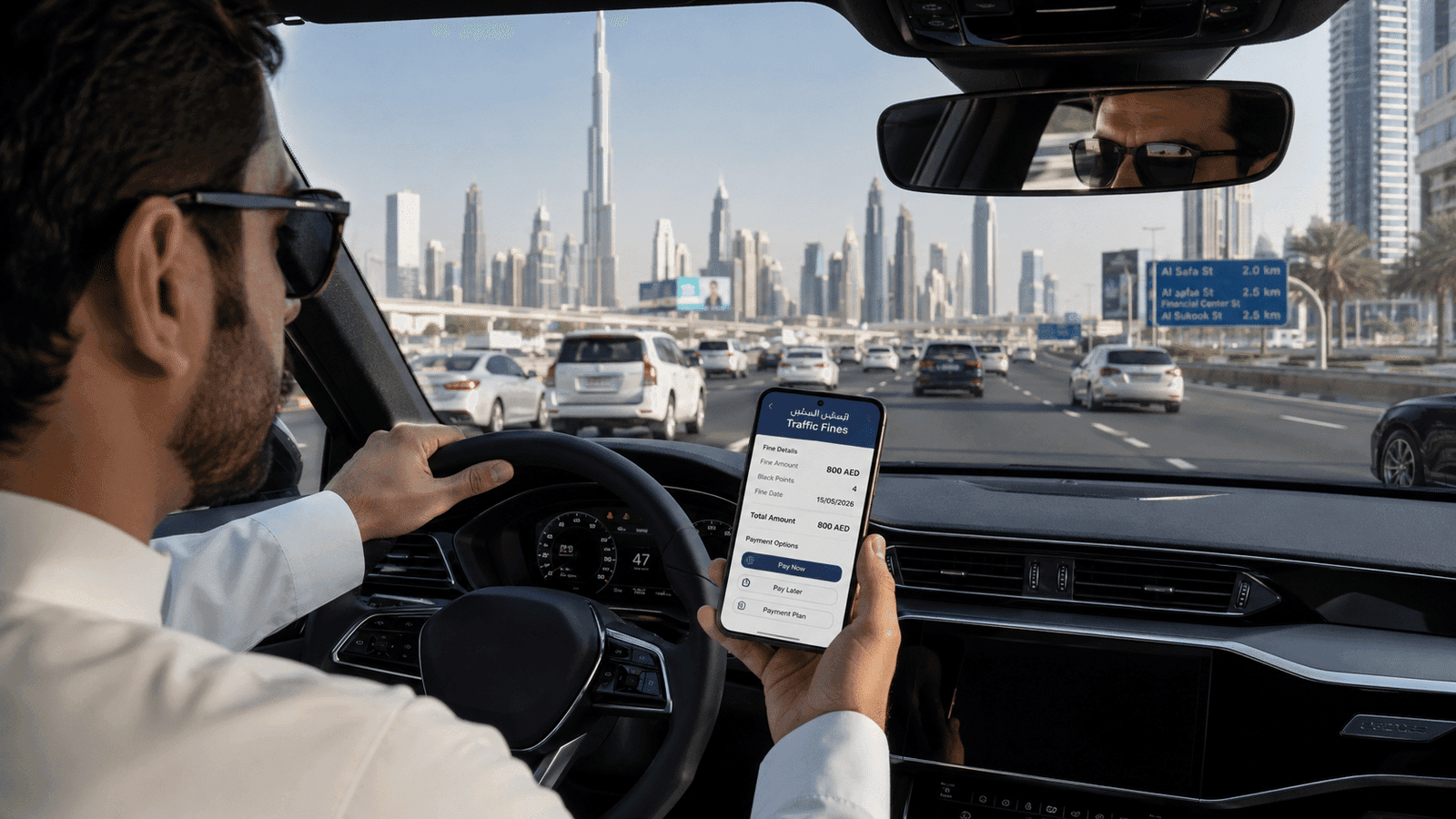
Dashcam UAE traffic fines is the guide you need today. Dashcam footage can help you dispute a traffic fine in the UAE. It can also protect you from false claims. The law allows dashcams when you respect privacy. This guide explains how to use your footage the right way. It also explains how to object…
Dashcam UAE traffic fines is the guide you need today. Dashcam footage can help you dispute a traffic fine in the UAE. It can also protect you from false claims. The law allows dashcams when you respect privacy. This guide explains how to use your footage the right way. It also explains how to object to a fine, step by step.
Key takeaways at a glance
- Dashcams are legal when used responsibly.
- You must respect strict privacy rules at all times.
- You can use clear footage to dispute a fine.
- Do not post footage online without consent.
- Submit evidence through official channels only.
- Keep original files and logs for chain of custody.
- Expect a decision window of days or weeks.
- Complex cases may require legal support.
Read this first: important disclaimer
This guide is general information. It is not legal advice. Laws change and facts matter. If your case is complex, seek a qualified UAE lawyer.
How dashcams fit the law
Dashcams record the road to protect drivers. UAE authorities allow dashcams in private cars. The law focuses on how you use the footage. You must not publish people without consent. You must not record private areas. You must not misuse images or audio. Follow these rules and your dashcam stays lawful.
For a complete practical guide to life in the Emirates, explore our full Living in the UAE hub.
The privacy rule you must respect
Privacy sits at the centre of UAE law. You cannot share images of people without consent. You cannot upload clips of plate numbers or faces. You cannot post accidents or injuries online. Treat footage as sensitive data. Share it only with police, prosecutors, insurers, or your lawyer.
When dashcam clips help your case
Dashcam clips help when they show the scene clearly. The video must show time, place, and lane position. It must show the event from start to end. It should capture signs and signal phases. It should show speed context and safe following distance. The stronger the clarity, the stronger your case.
When footage will not help
Footage fails when it is shaky or incomplete. It fails when the lens faces the cabin. It fails when timestamps are missing. It fails when audio or video is edited. It fails when you added overlays after the event. Submit clean source files to avoid doubts.
Build admissible evidence
Keep the original file from the memory card. Note the file name and size. Note the camera model and firmware. Save a copy to a second device. Keep the card safe and labelled. Write a short note on what happened. Include time, road, and direction. Add weather and traffic notes. This creates a simple chain of custody.
Technical checklist for clear footage
- Record at 1080p or higher.
- Use a fast microSD card.
- Clean the windscreen regularly.
- Aim the lens at the road, not the cabin.
- Enable GPS and time sync if available.
- Lock important clips against overwrite.
- Store clips in a dated folder.
Never do these things
- Do not upload clips to social media.
- Do not send clips to random accounts.
- Do not edit files before submission.
- Do not add text, speed labels, or music.
- Do not post faces, plates, or injuries online.
How to dispute a traffic fine in Dubai
You can object online or in person. Online works best for most drivers. Prepare your Emirates ID and fine details. Prepare your dashcam clip and photos. Follow these steps:
- Visit the Dubai Public Prosecution website.
- Select ‘Request to Object a Traffic Fine’.
- Enter your personal and vehicle details.
- Enter the fine number and violation date.
- Describe why the fine is wrong. Keep it factual.
- Attach your dashcam clip and photos.
- Submit and note your reference number.
You may receive a decision within ten working days. You may be asked to attend Traffic Court. Bring your original files and a short written statement.

How to dispute a traffic fine in Abu Dhabi
You can raise a grievance through Abu Dhabi Police e‑services. Many drivers also use the TAMM portal. Prepare your UAE PASS login. Prepare your evidence and a clear note. Then follow these steps:
- Log in to the e‑services portal or TAMM.
- Choose ‘Objection to a Traffic Violation’.
- Enter your fine and vehicle details.
- Explain the reason for your objection.
- Upload dashcam clips and other proof.
- Submit and keep the reference number.
You may get a call or message for more details. Keep your phone on. Respond quickly with facts only.
How to dispute a traffic fine in other emirates
Sharjah, Ajman, Ras Al Khaimah, Umm Al Quwain, and Fujairah use MOI platforms. Install the MOI UAE app and log in with UAE PASS. Use the objection option under Traffic. Attach proof and a clear statement. You can also visit the nearest police service centre.
What to include in your submission
- The original dashcam file.
- A short factual statement.
- Still frames of key moments.
- A simple map with route and lane.
- Any witness names and numbers.
- Photos of signs or roadworks.
What a good clip looks like
A good clip starts before the event. It shows the approach to the scene. It shows the event clearly and without jumps. It shows what you did to stay safe. It shows other cars in context. It ends after the risk has passed. Review your clip against these points.
How investigators assess dashcam evidence
Reviewers look for clarity and continuity. They look for time and location markers. They look for signs, signals, and lane control. They compare the clip with radar logs and CCTV. They check if edits exist. They seek consistency across all sources.
Common cases where dashcams help
- Wrong plate match from a radar snapshot.
- Lane change confusion near exits.
- Amber light entry with safe stop distance.
- Sudden cut‑ins by other drivers.
- Hazard avoidance that crossed a line.
- Roadworks that blocked a lane.
Evidence beyond video
Dashcams work best with more proof. Screenshots of navigation logs help. Receipts with times can help. Parking tickets can help. Witness notes can help. Use any honest record that supports your timeline.
Keep your language short and neutral
Avoid blame. Avoid heated words. State facts and times. Use simple sentences. Let the clip speak for you. Officials value clarity.
If your objection is rejected
You can ask for a review where allowed. You can seek legal advice if the stakes are high. Pay on time if the decision stands. Late payment can add cost or points.
Insurance and your dashcam
Insurers may accept dashcam clips for claims. Share the original file and a simple note. Ask how to submit large files. Keep a copy for your records.
Buying and fitting a dashcam in the UAE
Buy from a trusted retailer. Choose a compact model with loop recording. Avoid screens that distract you. Fix the unit behind the mirror. Hide cables for safety. Test angles and exposure before daily use.
Privacy‑safe setup tips
- Aim away from the cabin.
- Avoid recording passengers.
- Mute the mic if you do not need audio.
- Do not use rear cams in private compounds.
- Do not point into homes or workplaces.
Storing files safely
Use two storage locations. Keep one on a drive at home. Keep one in secure cloud storage. Name folders by date and trip. Do not share links publicly.
Heat and summer protection
The UAE summer stresses electronics. Use heat‑rated memory cards. Park in shade where possible. Let the cabin cool before driving. Check lens focus after heat waves. Replace cards on a regular schedule.
Your rights and your duties
You have the right to object to an error. You have the duty to respect privacy. You must keep your evidence clean. You must submit through proper channels.

Step‑by‑step pack for a strong objection
- Collect the original clip and stills.
- Write a short factual statement.
- Gather supporting documents.
- Check your identity documents.
- Submit through the right portal.
- Track your reference number.
- Answer calls or emails fast.
Visual asset plan for this article
- Hero image: A neat dashcam view of a Dubai road. No plates or faces visible.
- Infographic: The fine dispute flow by emirate.
- Diagram: How to frame the road for clear footage.
- Checklist card: What to upload and what to avoid.
- Map panel: Dubai and Abu Dhabi service points.
- Data card: Storage and retention tips for hot weather.
Useful templates you can adapt
Short statement template
Date: [DD/MM/YYYY]
I received traffic fine #[number] on [road] at [time]. I was travelling [direction]. The dashcam clip shows my car at [lane] and speed within the limit. The video shows [key fact]. I request that the fine be reviewed and cancelled. I attach the original file and still frames.
Name Mobile Email
File checklist template
- Original MP4/MOV file from the card.
- Still frames of the event.
- Copy of Emirates ID and licence.
- Scan of the traffic fine.
- A route map if helpful.
Frequently seen mistakes to avoid
- Uploading clips to Instagram or X.
- Cropping video to hide plates.
- Adding speed labels from third‑party apps.
- Submitting low‑bitrate exports only.
- Ignoring follow‑up messages from officials.
Quick answers
Are dashcams legal in the UAE? Yes, when used responsibly. Respect privacy rules.
Can I upload dashcam footage online? No, avoid public posts. Share with authorities only.
Will prosecutors accept my clip? Yes, if it is clear and relevant.
Do I need a lawyer? Not always. Complex cases may need advice.
Final word
Dashcams protect careful drivers. They also speed up fair resolutions. Use yours with respect and care. Keep clips private. Submit evidence the correct way. Stay calm and factual. Strong, clear footage often wins the day.
Legal framework snapshot
The UAE permits dashcams in private vehicles. The law restricts misuse, not the device. Privacy rules ban publishing images without consent. Cybercrime rules also cover online sharing. Prosecutors accept clear, relevant footage from motorists. Submission must follow official channels. Focus on facts and safety behaviour.
Privacy risk map you should know
- Filming people at close range risks privacy breaches.
- Sharing crash clips on social media risks prosecution.
- Uploading faces, plates, or audio can breach privacy.
- Recording in private compounds can create legal risk.
- Filming security sites or checkpoints can be unlawful.
What to film, what to avoid
Film the road, lanes, and signals. Film signs, hazards, and roadworks. Avoid filming car interiors. Avoid filming passengers and private spaces. Avoid filming building entrances and villa gates. Keep the lens centred on the carriageway.
The admissibility test, simplified
Ask three questions. Does the clip show the full event? Does the clip show time and place? Does the clip appear unedited? If you answer yes three times, your clip likely helps.
Prepare your appeal in plain Arabic or English
Keep sentences short and neutral. Use times and distances where possible. Avoid adjectives and blame. Mention your safety actions. Attach stills that mark key frames. Number attachments for easy review.
Dubai objection: deeper guidance
Create a neat case file. Use one folder per fine. Name files with dates and labels. Include a one‑page summary. Use bullet points and short lines. Upload originals where allowed. If the portal rejects large files, submit stills. Mention you can provide the full video on request. Keep your phone on for follow‑ups.
Abu Dhabi objection: deeper guidance
Log in with UAE PASS before you start. Prepare documents as a single PDF if required. Check file size limits in advance. Add a short cover page with key facts. Use clear stills labelled by time. Add a link to a cloud folder if allowed. Keep the original card safe at home. Note your reference and date.
Northern emirates: efficient use of MOI
Open the MOI app and choose Traffic. Use the objection option under violations. Add a short statement with times. Attach stills and tell them you have video. Ask for a callback window if offered. Keep your device reachable all week.
Evidence pack: the gold standard
- Original file from the card.
- Stills that show the key frames.
- A clear map with approach and exit.
- A photo of the relevant sign.
- A short statement under one page.
- A copy of the fine notice.
- ID and vehicle documents.
Timelines and what to expect
Simple cases can resolve quickly. Complex cases may take longer. You might attend Traffic Court. You might present files to a clerk. Bring a USB drive with the original file. Bring printouts of key frames. Dress smart and arrive early.
Outcomes you may see
- Fine cancelled and closed.
- Fine corrected to a lower class.
- Points removed but fine stands.
- No change to the decision.
If your objection fails
Read the decision carefully. Consider a legal consult if stakes are high. Pay within the allowed period to avoid hassle. Improve your setup for the future. Keep your footage policy tight.
Insurance claims: make your clip work twice
Share your clip with your insurer. Provide stills and a short note. Ask for the required format. Keep your claim documents organised. Use the same evidence pack.
Tech spec: deeper dive for clarity
Frame rate helps with motion clarity. Choose 30 fps or higher. Wide dynamic range helps with glare. Enable it for summer sun. Use CPL filters with care. Test at midday and dusk. Keep the lens clean and centred. Replace cards to avoid data loss.
Heat and hardware longevity
Choose cameras rated for high heat. Ventilate the cabin where possible. Avoid cheap suction mounts in summer. Use adhesive mounts behind the mirror. Test files after heat waves. Replace swollen batteries at once.
File transfer without losing quality
Copy files directly from the card. Avoid recompression during export. Use original file names where possible. Keep a checksum if you can. Store a copy offline. Share large files via official channels only.
Myth versus fact
Myth: Dashcams are illegal in the UAE. Fact: Lawful when used responsibly.
Myth: I must blur other cars to submit. Fact: Submit originals to authorities.
Myth: Posting online is fine if faces are blurred. Fact: Posting still risks privacy breaches.
Myth: Edited clips are acceptable. Fact: Edits weaken trust and value.
Myth: Only front cams help. Fact: Front cams usually suffice for disputes.
Real‑world scenarios and how to present them
Radar misread near a split. Show the approach and your lane discipline. Mark the frame where signs split. Add a still that shows your indicator.
Amber light at a wide junction. Show the distance and braking room. Note speed and safe judgement. Mark the signal state frame by frame.
Cut‑in by a speeding car. Show your lane and speed stability. Mark the frame of the cut‑in. Note your hazard avoidance action.
Roadworks blocking a lane. Show cones and temporary signs. Mark the merge point. Explain your safe merge.
Emergency vehicle passage. Show your yield action. Note siren and lights if captured. Mark the time you rejoined traffic.
Keep every sentence tight
Short sentences help reviewers. Short sentences also reduce misreadings. Practice writing in short lines. Read your note aloud. Remove extra words. Keep your tone neutral.
Accessibility and inclusion
If you have hearing needs, note them early. Ask for text updates where possible. Bring a translator if you need one. Keep all documents in clear fonts. Use large print if helpful.
Prepare for a court visit
Plan your route and parking. Arrive 30 minutes early. Bring a neat file folder. Label tabs by section. Have a spare USB drive. Keep your phone on silent. Answer questions calmly and clearly.
After a successful outcome
Request a formal confirmation. Save a copy for your records. Check that the fine disappears from portals. Ask about point reversal if relevant. Inform your insurer if claims depend on it.
Build a repeatable system
Create a standard folder tree. Keep a template statement ready. Replace memory cards on a schedule. Back up monthly to a hard drive. Review camera aim each season. Train family drivers on the basics.