


Ramadan in the UAE introduces a “split-day economy,” where daily activities shift to accommodate fasting, prayer, and communal gatherings. This fundamental change directly influences urban mobility, creating distinct Ramadan peak hours that deviate significantly from the usual patterns. The underlying reasons are rooted in cultural and religious practices, leading to predictable yet intense surges in…
Ramadan in the UAE introduces a “split-day economy,” where daily activities shift to accommodate fasting, prayer, and communal gatherings. This fundamental change directly influences urban mobility, creating distinct Ramadan peak hours that deviate significantly from the usual patterns. The underlying reasons are rooted in cultural and religious practices, leading to predictable yet intense surges in Ramadan rush hour traffic.
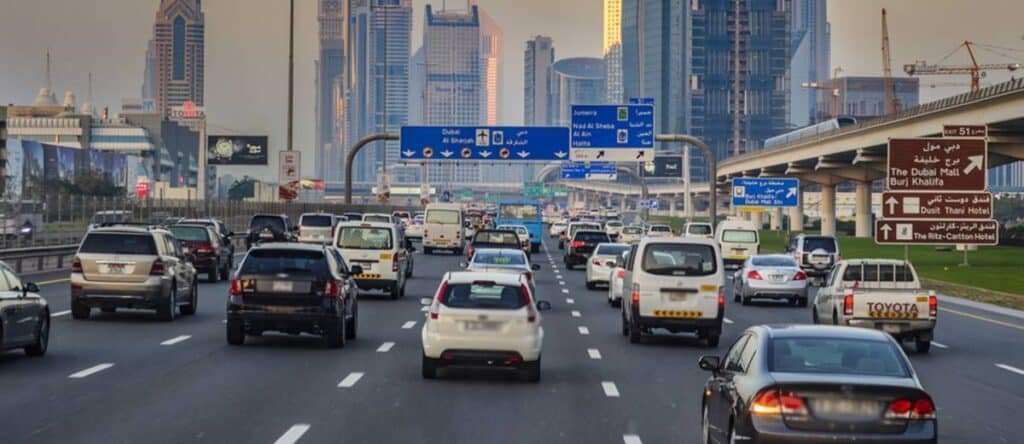
General observations from UAE traffic authorities indicate heavier congestion before sunset during Ramadan. This is a direct consequence of people heading home, preparing for Iftar, or completing last-minute errands.
The Pre-Iftar Frenzy: The Daily Countdown to Sunset
The most pronounced and often most challenging traffic phenomenon during Ramadan is the pre-Iftar traffic. This is a daily frenzy that typically intensifies in the final two hours leading up to the sunset call to prayer (Maghrib). As the day progresses and energy wanes, there’s a collective urgency to reach destinations—whether it’s home for family Iftar, a mosque for prayers, or a restaurant for a communal meal.
During this period, UAE pre-iftar traffic becomes notably severe. Supermarkets and grocery stores experience last-minute shopping spikes, takeaway counters fill with queued orders, and delivery drivers race against the clock to complete drops before the sunset call to prayer. This surge highlights the critical impact on delivery during Ramadan rush, as logistical operations grapple with increased demand and constrained timelines. Drivers and commuters alike navigate a landscape of heightened urgency, making this period particularly prone to congestion and extended travel times.
The Lesser-Known Suhoor Surge: A Pre-Dawn Awakening
While the pre-Iftar rush often garners the most attention, Ramadan also brings a second, often underestimated, traffic surge: the Suhoor surge. This occurs in the pre-dawn hours, typically between 3 AM and 5 AM, as families wake for their Suhoor meal before commencing their fast for the day.
This pre-dawn activity significantly alters the urban rhythms Ramadan experiences. Local businesses observe that bakeries restart production runs, cafés serve pre-dawn diners, and 24-hour supermarkets see renewed footfall. What’s more, delivery platforms and cloud kitchens report elevated order volumes through the late night, catering to those preparing for Suhoor or late-night social gatherings. This contributes to Suhoor traffic times, impacting overnight logistics and creating a unique Ramadan rush hour that many might not anticipate. Understanding this second wave is crucial for comprehensive Ramadan daily life UAE navigation.
Smart Driving Strategies & Safety Tips for Ramadan Commuters
Navigating Ramadan road congestion requires not just route planning, but also a heightened sense of awareness and patience. Fasting drivers may experience fatigue, dehydration, and reduced concentration, which can raise road safety risks. UAE traffic safety campaigns consistently highlight the importance of adjusting driving habits during this period due to potentially fatigued drivers. Implementing smart Ramadan driving tips is essential for everyone’s safety.
Timing Your Journeys: The Golden Hours for Smoother Roads
One of the most effective strategies to mitigate Ramadan traffic UAE stress is to strategically time your journeys. While the pre-Iftar and pre-Suhoor windows are highly congested, there are optimal travel times Ramadan commuters can leverage.
Generally, the hours immediately after Iftar (e.g., from 8 PM to 11 PM) and the early morning hours after Suhoor (e.g., 5 AM to 8 AM, though this can vary with work start times) tend to be less congested. Weekday mid-mornings and early afternoons might also offer clearer roads. Plan essential appointments, grocery runs, and other errands during these “golden hours” to significantly reduce travel time and the stress of avoiding rush hour. Leveraging local traffic pattern knowledge, reinforced by insights from What’s Hot in UAE, can provide an edge in predicting these quieter windows.
Managing Fatigue and Maintaining Focus Behind the Wheel
Ramadan driving safety comes first, especially when observing the fast. Fasting can lead to fatigue, dehydration, and lower blood sugar levels, all of which can impair judgment and reaction times. Traffic safety experts and health authorities in the UAE consistently advise against driving while severely fatigued during fasting, citing the increased risk of accidents.
To ensure safe fasting driving, prioritise adequate rest, particularly a good night’s sleep before a long day. If possible, take short breaks during longer journeys to stretch and refresh. Recognise the signs of fatigue, such as yawning, eye strain, or difficulty focusing. If you feel too tired, pull over in a safe location and rest, or consider using public transport or a ride-hailing service. Staying hydrated during non-fasting hours is also crucial to minimise dehydration-induced fatigue.
Optimising Your Commute: Public Transport & Alternative Routes
Beyond personal vehicle strategies, commuters can significantly enhance their travel experience by embracing public transport and smart navigation. This is particularly relevant in densely populated areas like Dubai, where traffic during Ramadan can be particularly challenging. Checking official transport apps and platforms, such as the RTA’s channels, for real-time updates and advisories is always recommended.
Leveraging Public Transportation During Ramadan
Public transportation, including the Dubai Metro, buses, and trams, can be an excellent alternative to driving during Ramadan road congestion. These services often operate on adjusted schedules during Ramadan to better accommodate the shifted peak hours, making them a viable option for many.
For public transport Ramadan users, it’s vital to stay informed about Dubai Metro Ramadan hours and other RTA schedule changes. The Roads and Transport Authority (RTA) in Dubai and the Department of Transport (DoT) in Abu Dhabi issue specific advisories and revised timetables ahead of and during the holy month. Planning your journeys efficiently using official public transport apps and websites can help you bypass traffic entirely and enjoy a more relaxed commute.
Real-Time Navigation & Avoiding Congestion Hotspots
In an urban environment with dynamic traffic conditions, especially during Ramadan’s unpredictable surges, real-time navigation tools are invaluable. Popular traffic apps UAE residents use can provide live updates on congestion, accidents, and suggested alternative routes, helping you avoid traffic in Dubai and other emirates.
Proactive route planning is key. Before setting out, check your chosen navigation app for the fastest route, considering both pre-Iftar and pre-Suhoor periods. These apps use local traffic monitoring services and governmental initiatives to provide accurate real-time data, allowing for dynamic adjustments to your route. This foresight and adaptability are crucial for efficient route planning during Ramadan and for minimising stress on the road.

Special Considerations for Delivery Services & Businesses
Ramadan presents a unique set of operational challenges for businesses, particularly those in the logistics and service sectors that rely on timely transportation. The distinct delivery during Ramadan rush periods necessitates strategic planning to maintain efficiency and meet consumer demand. Delivery platforms and cloud kitchens, for instance, consistently report elevated order volumes through the late night and a frenzied race to complete drops before the sunset call to prayer.
Strategies for Efficient Delivery Management
For delivery companies, restaurants, and individual drivers, optimising operations during Ramadan is critical. Implementing smart Ramadan delivery tips can significantly improve efficiency. This includes sophisticated delivery route optimisation software, which can dynamically adjust routes based on real-time traffic data and order urgency.
Staggered delivery times, where customers are offered wider delivery windows, can help spread out the load. Encouraging pre-scheduled orders, especially for Iftar and Suhoor meals, allows businesses to plan resources more effectively. Transparent and effective communication with customers about potential delays during peak periods is also crucial for managing expectations and maintaining satisfaction. Incorporating advice from logistics specialists and e-commerce platforms successfully operating in the UAE during Ramadan can provide valuable benchmarks and best practices.
Impact on Essential Services & Workforce Adjustments
Beyond commercial delivery, essential services also undergo significant adjustments during Ramadan. Airport teams, hospitals, police patrols, and municipal services adjust staffing and operational patterns to match the unique rhythms of Ramadan. This often means more overnight coverage and lighter daytime schedules in some departments, reflecting the broader economic and social shifts.
These Ramadan workforce changes highlight the comprehensive Ramadan economic impact on various sectors. Public services ensure continuity while accommodating the needs of fasting employees and the community’s altered schedule. Understanding these broader Ramadan transport changes and operational shifts provides context for the overall traffic landscape and service availability during the holy month.
Official Advisories and Resources for Ramadan Traffic
For the most accurate and up-to-date information on traffic regulations, public transport schedules, special advisories, and road closures during Ramadan, it comes first to consult official UAE transport authorities. These governmental bodies are the primary source of verified information crucial for safe and efficient travel.
Emphasise the paramount importance of consulting official UAE transport authorities like the Roads and Transport Authority (RTA) in Dubai, or the Department of Transport (DoT) in Abu Dhabi, for the latest information. They regularly issue Ramadan traffic advisories, outlining RTA Ramadan schedule changes, updates on major roadworks, and general safety guidelines. Checking their official websites, social media channels, and dedicated apps ensures you have access to the latest UAE transport news and official traffic updates. Staying informed through these channels is the best way to navigate the holy month efficiently.
Disclaimer: This article provides general information and tips for navigating traffic during Ramadan in the UAE. Always refer to official government and transport authority announcements (e.g., RTA, DoT) for the latest advisories, road closures, and schedule changes. Drive safely and be mindful of fasting drivers.


