

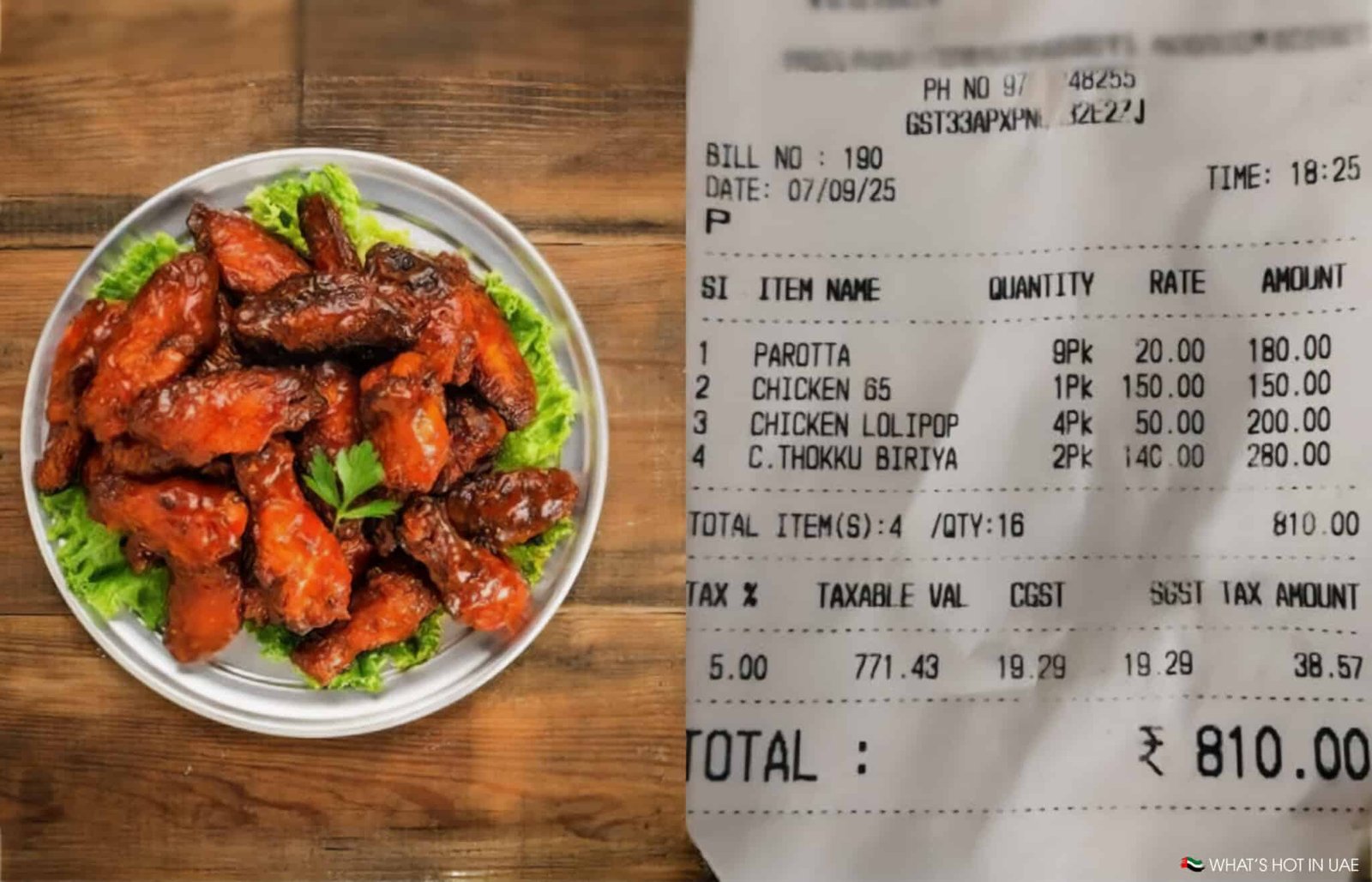
A viral post put Swiggy under the microscope. An X user compared dine-in prices with an app order. The same four dishes cost ₹810 in the restaurant and ₹1,473 on Swiggy. The difference reached 81%. He asked a blunt question: “Is this the real cost of convenience?” The debate took off.
I’ve gone back and forth on Swiggy vs actually going out to eat more times than I care to count, especially on nights when the heat is unbearable or I’m just wiped from the day. There was this one evening I ordered from a spot in Jumeirah that does killer butter chicken — it arrived hot, the naan was still soft, the aroma filled the apartment, and I ate straight from the container on the couch watching the city lights from my window. No traffic, no waiting for a table, no awkward small talk with a waiter. But then there are nights when nothing beats sitting in the restaurant itself — the clink of glasses, the smell of tandoor smoke drifting over, watching the chef flip the kebabs in real time, sharing plates with friends and laughing over something stupid. Delivery wins for convenience and those lazy moods, but dine-in wins for the atmosphere and the little moments that make the meal feel like an event. It really depends on the night: craving comfort and quiet? Swiggy. Want the full experience and don’t mind getting dressed? Get out there. Either way, the food’s usually the same — it’s the setting that changes everything.
The post that triggered the debate
Two receipts told the story. The restaurant bill showed ₹810. The Swiggy order showed ₹1,473. The gap was ₹663. Users argued in comments and quote posts. Some blamed delivery platforms. Others blamed restaurants for online mark-ups. Many said convenience always costs more.
Why delivery through apps often costs more
Delivery platforms run large operations. They fund logistics, rider wages, support, and growth. Restaurants also pay commissions to access the marketplace. Many recover those costs through higher online prices. Platforms then add a platform fee, delivery fee, packaging costs, and GST. Each layer lifts the total. The gap grows fast.
Industry analyst Vishal Shah notes the shift clearly.
“Convenience comes at a price. Platforms pass unavoidable costs to consumers.”
Hey @Swiggy, please explain. Why does ordering food in the app, 81% expensive than buying the same food from the same outlet, just 2kms away. Is this the real cost of convenience ? The extra that I have to pay to get the food delivered is INR 663. pic.twitter.com/rvLghtJJ3H
— Sunder (@SunderjiJB) September 7, 2025
What restaurant owners say
Restaurants value the reach. They also feel the squeeze. A Coimbatore owner explained the pressure.
“We raise online prices to survive, not to exploit customers.”
Owners want visibility and sales volume. They also need workable margins. Their decisions push online prices higher.
What customers say
Customers split into two camps. One group accepts the cost and orders anyway. The other group changes habits and avoids fees. A Delhi remote worker summed it up.
“Ordering in feels like a luxury now. I often pick up food myself.”
Trust sits at the centre of this story. People accept fees when value feels clear. They reject fees when totals feel opaque.
The numbers: side-by-side
Here is the price example that drove the viral post.
| Item | Restaurant Price | Swiggy Price |
|---|---|---|
| Parotta | ₹30 | ₹60 |
| Chicken 65 | ₹220 | ₹350 |
| Chicken Lollipop | ₹250 | ₹390 |
| Chicken Thokku Biryani | ₹310 | ₹550 |
| Fees & taxes (approx.) | – | ₹123 |
| Total | ₹810 | ₹1,473 |
| % difference | – | 81% higher |
The table shows item-level jumps and final add-ons. The result feels stark.
The UAE angle and global parallels
This pattern extends beyond India. UAE residents report similar gaps on busy nights. Some venues keep price parity across channels. Others raise online prices to cover costs. Many residents now order on WhatsApp or call directly. They also collect orders to avoid delivery charges. The habit saves money and time in dense areas.
What the platforms say
Platforms defend the model. They highlight jobs for riders, stronger reach for restaurants, and reliable logistics. A typical statement stresses balance.
“Our pricing reflects the cost of a robust platform for restaurants, riders, and users.”
They promise faster delivery and better uptime. Those goals need investment. The bills then reflect that spend.
The economics behind the screen
Demand for delivery keeps rising. So do operating costs. Analysts reported strong order growth in 2024. They also tracked higher rider payouts and marketing costs. Platforms still chase sustainable margins. They look for balance between price, speed, and scale. The balance stays fragile.
Food consultant Ananya Gupta frames the trade-off well.
“Delivery never aimed to beat dine-in on price. It aimed to remove effort.”
Four ways to avoid overpaying
- Compare before you order. Check dine-in menus and app menus.
- Use loyalty programmes. Swiggy One can offset delivery costs.
- Order direct when possible. Call or message the restaurant.
- Collect orders. Pick up food and skip delivery fees.
What this debate really shows
People love convenience. People also hate surprises on the bill. Clear pricing builds trust. Opaque layers erode it. Restaurants want reach and margin. Platforms want scale and reliability. Customers want speed and fairness. The system works when each side sees value. It fails when the numbers stop making sense.