Unpack Sheikh Mohamed bin Zayed’s “thick skin, bitter flesh” message. Discover its profound meaning, geopolitical context & unifying impact on UAE national identity.
I read the “thick skin and bitter flesh” phrase as a plain refusal to be treated as an easy target. Its force comes from the image, not from a long list of flattering adjectives. To understand Sheikh Mohamed bin Zayed’s words, separate the documented hospital-visit context, the reported quotation and our interpretation of the language.
My reading: resolve without inventing a national opinion poll
The metaphor combines endurance with a warning that causing harm will not be easy. That is an editorial reading, not a new policy announcement. Reported examples of people sharing the phrase show how some responded; they cannot establish what every citizen or resident thought, or prove long-term social change.
For separate everyday UAE context, read the UAE public-holiday framework and Dubai language and usage context; neither is a source for the President’s quotation.
The documented visit and the reported broadcast are separate records
The President’s official website account, dated 6 March 2026, records a hospital visit to people injured in Iranian attacks. It describes reassurance to patients and families and emphasises residents’ safety. That is a specific documented setting, not a generic reference to a changing global landscape.
Khaleej Times’ 12 March report places the phrase in remarks broadcast on 7 March. Keep the official visit-account date and the reported broadcast date distinct rather than silently treating them as one timestamp. The official written account linked here does not reproduce the idiom itself.
“Thick skin”: my reading of the first image
In this context, I read thick skin as the ability to withstand pressure. The language is physical and direct: it gives the reader an image of resistance rather than a technical policy description. That makes the expression memorable without requiring an invented origin story.
I would not turn that reading into a claim that the phrase was derived from pearl diving, a particular historical episode or a documented old proverb. Establishing a linguistic history would require a source that traces it. The metaphor can be discussed clearly without pretending we have that research.

“Bitter flesh”: why the second image matters
The second half changes the emphasis from enduring pressure to being difficult to consume or overcome. My interpretation is that the paired images say more together: not only an ability to withstand harm, but a refusal to be an easy target. This is analysis of the reported wording, not a claim to know a private intention.
An English rendering should stay attributed. A short translated quotation is not a complete transcript, and punctuation can vary between reports. When sharing it, keep the speaker, reporting source and context instead of adding an unsupported explanation of a new law or military instruction.
What the response reporting shows—and what it does not
Khaleej Times describes examples of the phrase appearing on items including cars, cups and phones. Those examples document public circulation. They do not measure a whole population’s views or prove that every emirate reacted in the same way.
I find the distinction important. You can explain why a line has emotional force without claiming a national survey, a rise in volunteering or a permanent change in civic behaviour. This magazine has not interviewed a representative sample of residents or commissioned a sentiment study for this article.
The official visit account also describes solidarity and reassurance in its own terms. Attribute that institutional account as such. It should not become an unnamed analyst’s independent finding or a quotation invented for a more dramatic paragraph.
A message of resolve is not a new policy document
The phrase expresses resolve in the reported circumstances. It does not by itself establish a change to legislation, a security instruction for residents or an investment outlook. For an actual policy change, look for the relevant published decision. For current safety instructions, use the competent authority’s current notice.
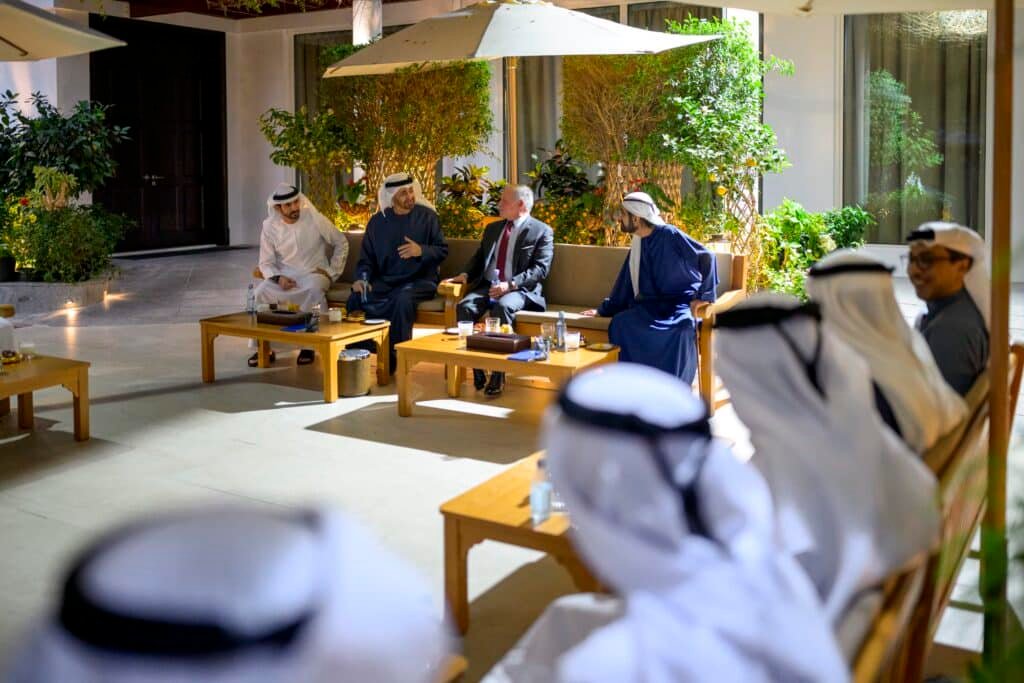
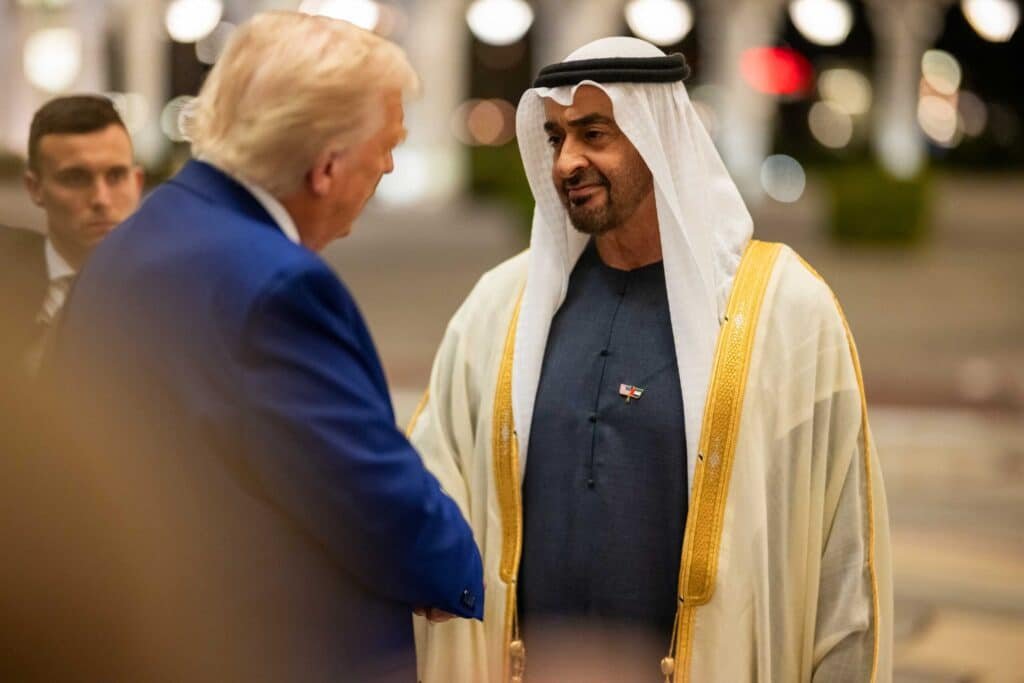
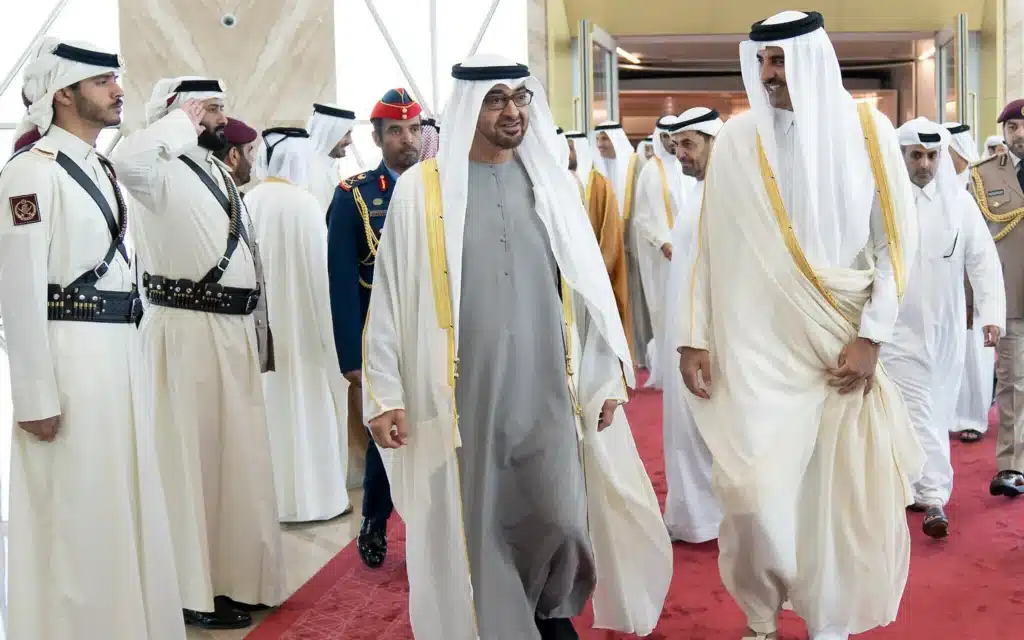
I would also keep unrelated diplomatic photographs separate from the event being discussed. The existing images remain in this article, but this review has not verified them as photographs of the March hospital visit or the broadcast. They are not evidence that a pictured meeting supplied the quotation.
Questions about the phrase
What does “thick skin and bitter flesh” mean here?
Our reading is endurance combined with a refusal to be an easy target. It is an interpretation of the reported metaphor, not an official definition or a new policy.
What source establishes the hospital-visit context?
The President’s official website publishes a visit account dated 6 March 2026. The linked Khaleej Times report discusses the quotation and its 7 March broadcast context; the two dates describe separate records.
Has this article interviewed residents or political analysts?
No. It uses the named official account and published reporting, with editorial interpretation identified separately. It does not claim anonymous interviews or a population-wide survey.
Does circulation of the quotation prove a permanent social change?
No. Reported examples establish that some people shared or displayed it. Longer-term effects and representative public opinion require separate evidence.
Do these words establish new rules for residents?
Not by themselves. Use the competent authority’s published decision or current instructions for legal and safety questions.
Editorial scope
Reviewed on 19 October 2026. This article distinguishes the official visit record, attributed news reporting and our reading of the metaphor. It does not claim firsthand attendance, interviews, a complete broadcast transcript, verified historical origins or a measured national response. Original authorship, publication date and existing media are preserved.