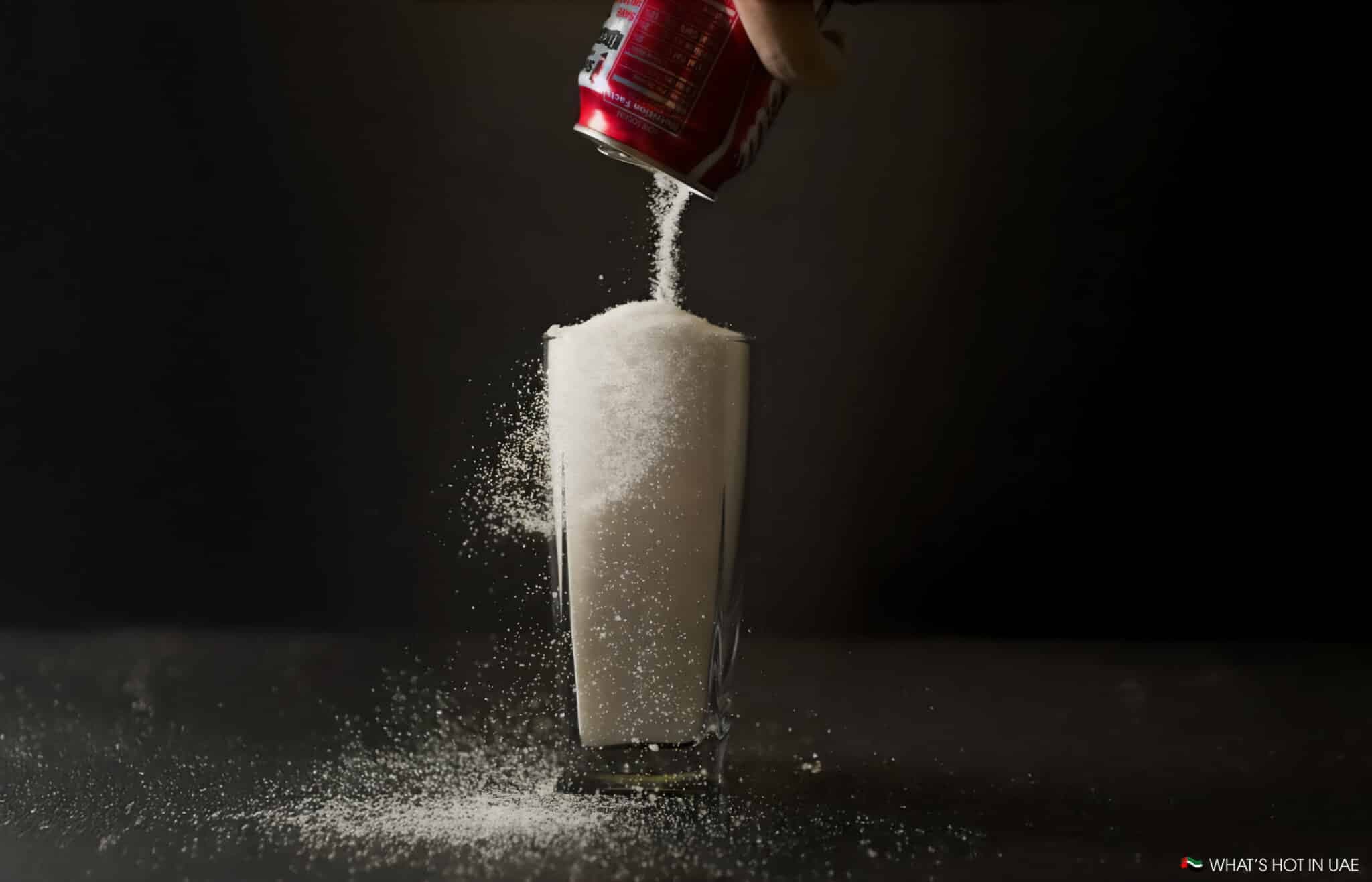
The UAE sugar tax is about to get smarter. From 1 January 2026, the country shifts from a blunt, flat-rate excise system to a tiered model that actually looks at what’s inside the bottle. More sugar means more tax. Less sugar means less tax. It’s that simple, and it’s long overdue. This isn’t just bureaucratic…
The UAE sugar tax is about to get smarter. From 1 January 2026, the country shifts from a blunt, flat-rate excise system to a tiered model that actually looks at what’s inside the bottle. More sugar means more tax. Less sugar means less tax. It’s that simple, and it’s long overdue.
This isn’t just bureaucratic tweaking. It’s a calculated move to nudge both producers and consumers towards healthier choices without scaring off investment or triggering inflation. The Ministry of Finance has confirmed the framework, and it’s already causing a quiet scramble across the beverage industry. Companies are reformulating. Retailers are recalculating. And consumers? They’re about to notice the difference at checkout.
What Actually Changes in 2026
Until now, sweetened drinks carried a 50% excise tax across the board. A can of fizzy drink with 12 grams of sugar per 100ml paid the same rate as one with 5 grams. That never made sense, and it didn’t incentivise anyone to do better.
The new system ties taxation directly to sugar concentration. Beverages with lower sugar content face reduced rates. High-sugar drinks will continue to carry heavier excise, possibly even higher than the current flat rate. The Ministry describes this as fairer pricing and a push for transparency. It also hands brands a clear financial reason to cut sugar content before launch day.
Reformulation isn’t optional anymore. It’s economically strategic. Brands that reduce sugar before January will enjoy lower tax rates and more competitive pricing. Those that don’t will feel it in their margins and their market share.
A Regional Push, Not a Solo Move
The UAE isn’t acting alone. This policy mirrors a broader Gulf Cooperation Council decision to adopt unified volumetric excise systems for sugar-sweetened beverages. Every GCC member state is expected to roll out similar frameworks, though each country sets its own sugar brackets and timelines.
It’s part of a regional health strategy targeting lifestyle diseases like diabetes and obesity, which have surged across the Gulf in recent decades. The UAE is simply the first to lock in a date and start enforcement. Others will follow, creating a harmonised excise landscape that makes cross-border trade easier and health messaging more consistent.
For multinational beverage companies, this means one reformulation strategy can work across multiple markets. That’s efficient. That’s also why many brands started tweaking recipes months ago.
Why Health Experts Are Quietly Pleased
Flat excise systems don’t differentiate. They punish all sweetened drinks equally, even those with minimal sugar or natural sweeteners. That’s blunt policy, and it doesn’t drive the right behaviour.
By linking tax rates to actual sugar concentration, the UAE sugar tax finally rewards reformulation. Brands can lower their tax burden by lowering their sugar content. Consumers can choose healthier options and pay less for them. It’s a nudge, not a ban, and it works.
Drinks with non-caloric or natural sweeteners will still face taxation under the new model, but at lower rates than high-sugar alternatives. That creates a pricing hierarchy that mirrors nutritional value. Over time, that should shift purchasing patterns without heavy-handed regulation.
In practical terms, this could mean a noticeable price gap between a regular cola and a reduced-sugar version. That’s enough to change habits.
What Happens to Existing Stock
Here’s where it gets interesting. The Ministry has built in a deduction mechanism for taxable persons who imported or produced beverages before the new law kicks in. If those goods were taxed at the old 50% rate but would attract a lower rate under the 2026 framework, businesses can deduct part of the previously paid tax before resale.
This transitional mechanism prevents pricing shocks and ensures a fair adjustment period. It also means consumers won’t suddenly see inflated prices on older stock sitting in warehouses. The Ministry has thought this through, and it shows.
Businesses have already started calculating how much tax they can claw back. It’s not a small detail. For large importers, this could mean hundreds of thousands of dirhams in recovered excise.
Legal Foundations Are Already in Place
The Ministry of Finance hasn’t left this to chance. A set of legislative amendments has already been finalised to support nationwide rollout. These amendments introduce the new sugar-based rate tiers, clear administrative procedures for businesses, and digital compliance tracking through the UAE’s excise portal.
The Ministry emphasised that the aim is a comprehensive legal and regulatory foundation to ensure smooth enforcement and minimal market disruption. That’s bureaucrat-speak for “we’ve done our homework.”
Businesses will submit declarations through the Federal Tax Authority’s online platform. The system is already being tested, and early feedback suggests it’s straightforward. No one wants confusion on launch day, least of all the government.
Fostering a Competitive Tax Environment
Beyond health goals, the Ministry said the new model also aims to foster a competitive tax environment across the beverage industry. By rewarding producers who adapt early, the UAE hopes to position itself as a regional benchmark for responsible taxation and innovation.
This approach is expected to drive a wave of product reformulation in 2025 as companies race to meet lower sugar thresholds before the law takes effect. Brands that move fast will enjoy first-mover advantages. Those that wait will lose shelf space.
It’s also a signal to international investors. The UAE isn’t imposing punitive taxes. It’s creating incentives for better products. That’s a distinction that matters in a region where business confidence is everything.
Industry Response and Market Implications
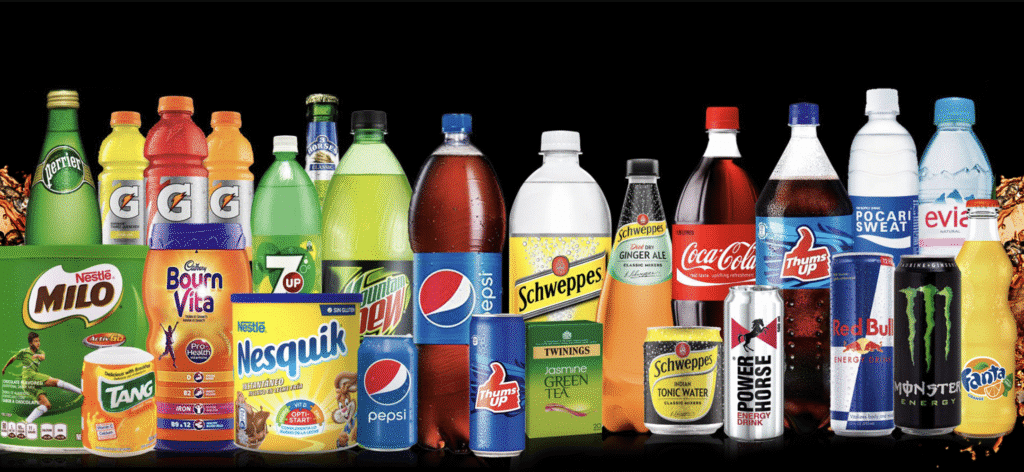
Early reactions from UAE-based beverage producers have been largely positive. Several multinational brands have already begun sugar-reduction initiatives across the GCC, anticipating a region-wide transition. Coca-Cola, PepsiCo, and others have launched reformulated lines in preparation.
Analysts expect a short-term pricing adjustment as inventories rebalance, followed by increased competition among better-for-you beverage lines. Sparkling waters, natural juices, and low-calorie sodas are already expanding their shelf presence. Retailers may also use the transition to highlight new health-certified categories, giving brands a chance to differentiate through reformulation.
There’s also talk of new entrants. Smaller, health-focused beverage brands see this as an opportunity to compete on price with legacy giants. If your product naturally has less sugar, you now have a tax advantage. That’s market disruption in real time.
Consumer Awareness and Transparency
Public awareness campaigns are likely to accompany the rollout, educating consumers about sugar levels and label reading. The policy ties into the UAE’s National Wellbeing Strategy, which promotes balanced nutrition and preventive health. Labels will remain the primary transparency tool, but digital QR-code systems could also emerge, allowing consumers to scan and instantly see sugar content, tax rate, and calorie impact.
This is where the policy could really shine. If consumers can scan a bottle and see exactly why one costs more than another, the nudge becomes explicit. No guesswork. No fine print. Just clear information at the point of purchase.
Some retailers are already piloting these systems. Expect them to become standard by mid-2026.
How the UAE Sugar Tax Fits Into Global Trends
Globally, more than 100 countries have introduced sugar-based beverage taxes in some form. The UAE’s move aligns it with global best practice whilst maintaining its reputation as a pro-business hub. By focusing on a tiered, incentive-driven structure, the country avoids the pitfalls seen in markets where blanket taxes triggered inflation or reduced investment confidence.
Mexico, for example, saw beverage prices spike after introducing a flat tax, which hurt low-income consumers. The UK’s tiered system, by contrast, encouraged reformulation without pricing shocks. The UAE has clearly studied both models and chosen the latter.
In the long term, the UAE’s approach could become a blueprint for other emerging economies balancing fiscal policy with public health objectives. That’s soft power. That’s also good policy.
What It Means for Consumers in 2026
From January 2026, expect the following on UAE shelves. High-sugar drinks will see noticeable price increases compared with today’s levels. Reduced-sugar or reformulated drinks will carry smaller excise and lower prices. Zero-sugar and unsweetened options will face minimal or no tax impact.
This means consumers who favour healthier alternatives will likely pay less than those purchasing high-sugar sodas or energy drinks. It’s a reversal of the current model, where all sweetened drinks cost roughly the same after tax. That’s a big change, and it will reshape purchasing behaviour faster than most people expect.
Parents, in particular, are likely to notice. A reduced-sugar juice box could cost half what a regular one does. That’s a weekly saving that adds up, and it’s also a parenting decision made easier.
Looking Ahead: A Balanced Approach to Growth and Wellbeing
The UAE’s new excise direction reflects a delicate balance between economic stability and social responsibility. It keeps revenue generation intact whilst sending a clear signal that public health and fiscal innovation can work together. With implementation set for early 2026, beverage producers, importers, and retailers now have more than a year to adapt. That means reformulating recipes, updating packaging, and re-evaluating supply chains.
For consumers, it’s the start of a new chapter in informed choice. For policymakers, it’s proof that the UAE remains agile, forward-thinking, and committed to long-term wellbeing. This isn’t nanny-state regulation. It’s market-driven nudging with a health dividend. And if it works as intended, it could become one of the most successful excise reforms in the region’s history.
The Ministry has given businesses time to adjust. It’s given consumers clarity. And it’s given the region a model worth watching. That’s policy done right.
The new sugar-based excise framework begins nationwide on 1 January 2026. The Ministry of Finance has confirmed this date, and businesses are already preparing for the transition. This gives companies over a year to reformulate products and adjust pricing strategies.
Instead of a flat 50% tax on all sweetened beverages, the new system taxes drinks according to their sugar content using a tiered volumetric model. Lower sugar content means lower tax rates. Higher sugar content means higher rates. This incentivises reformulation and rewards healthier products.
Not necessarily. Drinks with lower sugar content will face reduced taxation, which could lower prices. High-sugar products may see higher prices than today. The system creates a pricing hierarchy based on nutritional value, which means healthier choices could actually become cheaper.
To promote healthier consumption, encourage manufacturers to cut sugar levels, and align with the GCC’s unified health-driven excise strategy. It’s also designed to reduce lifestyle diseases like diabetes and obesity whilst maintaining a competitive, pro-business tax environment.