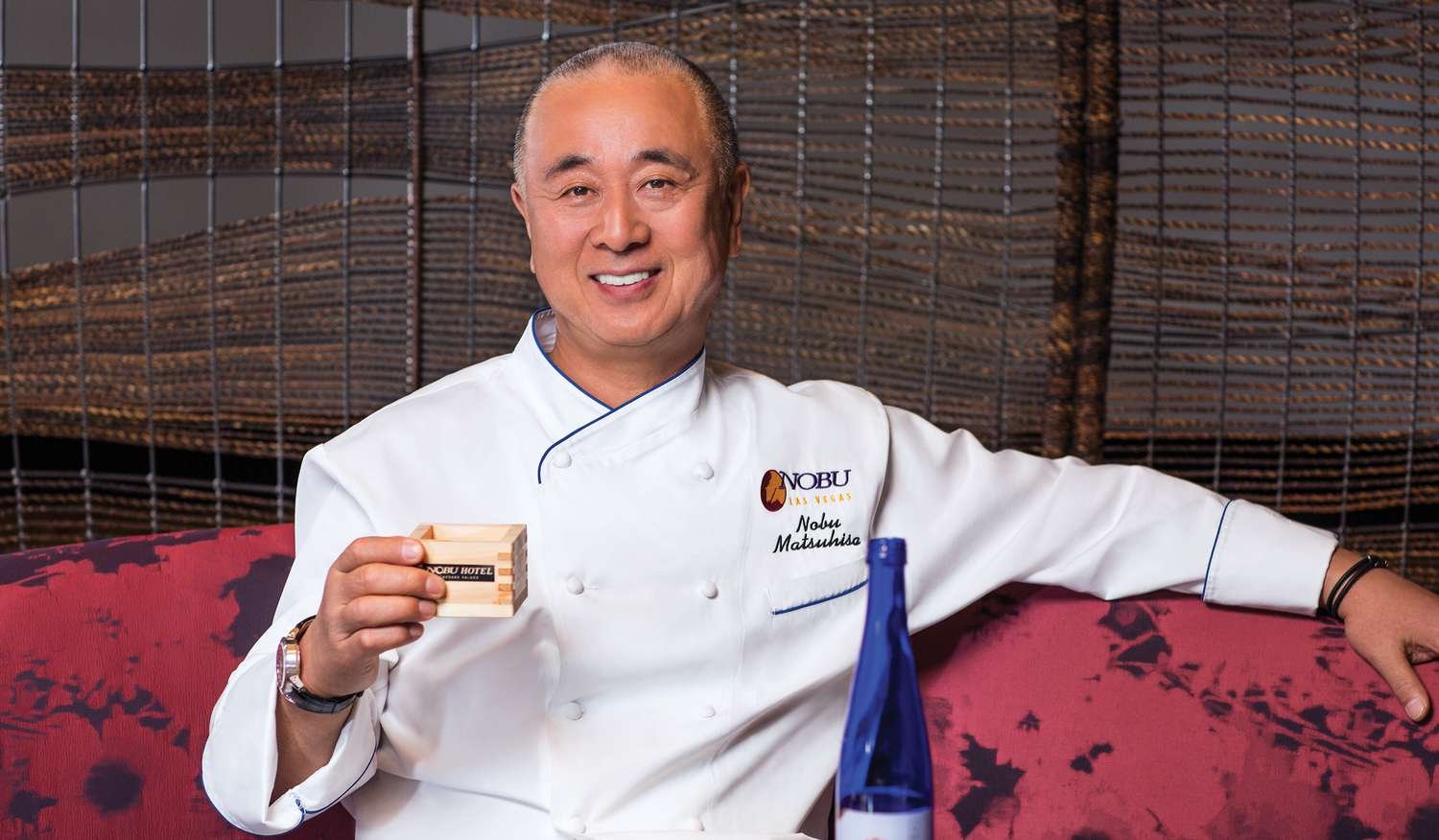
Nobu: the man who made us love sushi represents one of culinary history’s most remarkable transformation stories. Nobu Matsuhisa’s revolutionary approach to Japanese cuisine fundamentally altered how the world perceives and consumes sushi. This legendary chef transcended cultural boundaries by merging traditional Japanese precision with bold Peruvian influences, creating a fusion philosophy that redefined global fine dining standards.
From humble beginnings in post-war Japan to commanding a worldwide empire of luxury restaurants, Nobu’s journey embodies the American dream reimagined through Japanese discipline and Peruvian creativity. His innovative techniques introduced millions to sophisticated sushi experiences previously confined to exclusive Tokyo establishments.
Today there are Nobu restaurants on six continents, a hospitality group, and a dish — Black Cod with Miso — that has become one of the most imitated plates in modern fine dining.
Early Life and Traditional Japanese Training
Nobu Matsuhisa was born in Saitama, Japan, in 1949 during the country’s post-war reconstruction. He lost his father at seven and grew up in modest circumstances, with his mother’s cooking — built around seasonal ingredients and nothing wasted — laying the groundwork for how he would later think about food.
Traditional Japanese cooking methods dominated his early culinary education through careful observation and patient practice. His mother’s emphasis on seasonal ingredients, precise knife work, and aesthetic presentation established foundational principles that would later distinguish his professional approach.
The devastation of losing his father at age seven profoundly shaped young Nobu’s character and determination. Financial hardships forced the family to rely on community support and resourcefulness. These early struggles instilled appreciation for quality ingredients and zero-waste cooking philosophies.
Tokyo beckoned after high school graduation as the epicentre of Japan’s culinary excellence and professional opportunity. Nobu secured apprenticeship positions within traditional sushi establishments where master-student relationships demanded absolute dedication, humility, and relentless pursuit of perfection.
Traditional sushi training required years of basic tasks before touching raw fish. Apprentices spent months perfecting rice preparation, understanding seasonal fish varieties, and mastering knife maintenance techniques. The rigorous discipline developed patience, precision, and profound respect for ingredients that would define Nobu’s career.
After seven years training in Tokyo, Nobu had the classical foundation — proper knife technique, obsessive attention to rice, an understanding of seasonal fish. He also understood that in the best restaurants, sushi was never just food: it was a conversation between the chef, the ingredient, and whoever was eating.

The Lima Adventure That Changed Everything
A pivotal opportunity emerged in 1973 when a fellow Japanese chef offered Nobu partnership in a Lima, Peru restaurant venture. The prospect of international experience and entrepreneurial independence outweighed concerns about venturing into unknown culinary territory.
Lima’s vibrant food culture immediately challenged Nobu’s traditional Japanese training through unfamiliar ingredients, cooking techniques, and flavour profiles. Local markets revealed exotic produce like ají amarillo peppers, purple potatoes, and tropical fruits that sparked creative experimentation.
Financial difficulties plagued the initial restaurant partnership, forcing Nobu to work in local establishments while developing his unique fusion concepts. These challenging circumstances encouraged innovative ingredient substitutions and creative adaptations that would later define his signature style.
Peruvian ceviche preparation techniques profoundly influenced Nobu’s understanding of acid-based cooking methods and fresh seafood treatment. Local chefs introduced him to citrus marinades, herb combinations, and spice applications that revolutionised his approach to Japanese cuisine.
What happened in Lima was accidental genius. Combining Japanese sashimi cuts with ají amarillo peppers and citrus wasn’t a calculated fusion strategy — it was improvisation born of necessity. The result was something neither tradition had produced on its own.
Three transformative years in Lima established the philosophical foundation for Nobu’s future success. The experience taught him that culinary excellence transcended rigid adherence to tradition, requiring openness to innovation whilst respecting core principles.
Global Wandering and Culinary Education
Nobu’s restless spirit and expanding culinary vision prompted further international adventures throughout the 1970s and early 1980s. Each destination contributed unique ingredients, techniques, and cultural perspectives that enriched his evolving fusion philosophy.
Argentina’s beef culture and grilling traditions introduced Nobu to high-temperature cooking methods that complemented his precise knife work and delicate seasoning approaches. Buenos Aires taught him that Japanese techniques could enhance rather than compete with local specialities.
Alaska’s pristine seafood and wilderness lifestyle reinforced Nobu’s commitment to ingredient quality and seasonal awareness. Working in remote fishing communities deepened his understanding of sustainable sourcing and respect for natural cycles.
These nomadic years challenged Nobu to adapt traditional Japanese techniques to diverse ingredients, equipment limitations, and cultural expectations. Each challenge strengthened his conviction that authenticity meant honouring ingredient quality rather than rigid recipe adherence.
The accumulated international experiences gradually crystallised into a coherent culinary philosophy emphasising simplicity, quality, and cultural respect. Nobu recognised that successful fusion required deep understanding of both contributing traditions rather than superficial combination.
Matsuhisa Beverly Hills: The Foundation of an Empire
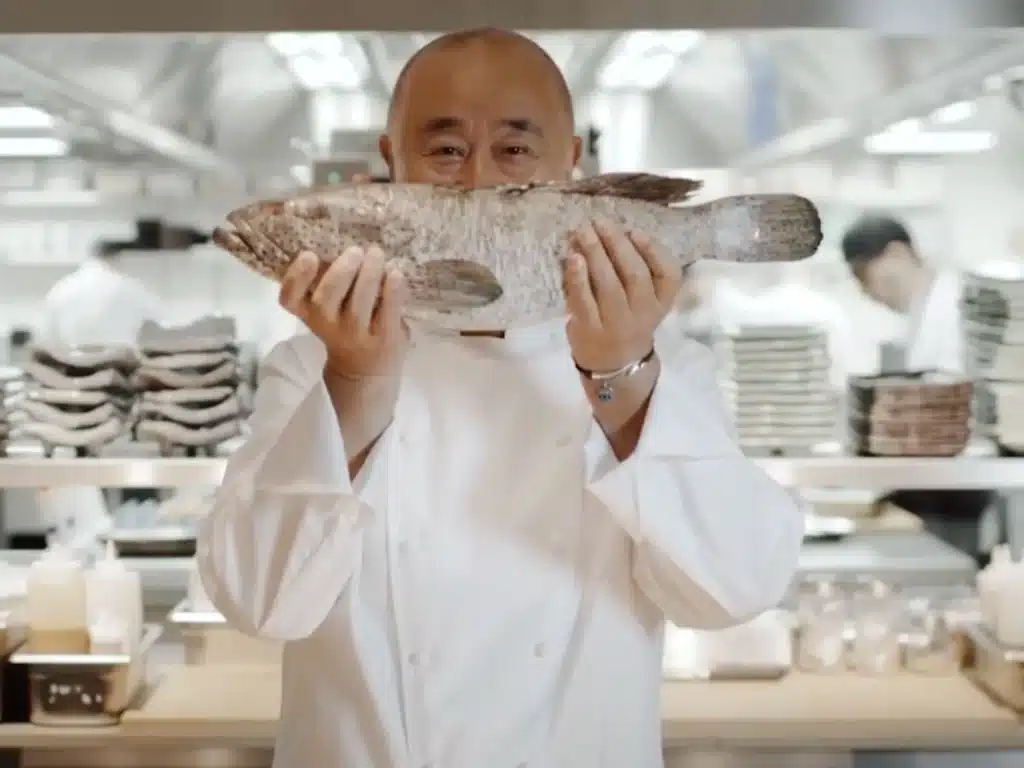
Beverly Hills in 1987 provided the perfect laboratory for Nobu’s revolutionary culinary concepts. Hollywood’s cosmopolitan dining scene welcomed innovative cuisine that challenged conventional categories whilst maintaining impeccable quality standards.
Matsuhisa restaurant opened with modest expectations but immediately attracted attention through unique menu offerings that defied easy classification. Diners discovered familiar Japanese techniques enhanced by unexpected Peruvian elements that created entirely new taste experiences.
The signature Black Cod with Miso represented Nobu’s fusion philosophy perfectly balanced. Traditional Japanese miso fermentation techniques combined with Peruvian cooking methods produced extraordinary depth and complexity that satisfied both conservative and adventurous palates.
Robert De Niro, Giorgio Armani, and Steven Spielberg became regulars. De Niro in particular became a genuine friend — and later, a business partner.
Success bred confidence and refinement as Nobu continuously improved menu offerings based on customer feedback and seasonal availability. The restaurant became a cultural phenomenon where entertainment industry professionals conducted business whilst enjoying revolutionary dining experiences.
Matsuhisa proved the appetite existed for Japanese cuisine beyond California rolls and conveyor belts.
Partnership with Robert De Niro and Global Expansion
De Niro’s visits became a standing habit. He eventually proposed a partnership: take the Nobu concept to New York, then the world.
The 1994 opening of Nobu New York in Tribeca marked the beginning of systematic international expansion. De Niro’s celebrity status and business acumen complemented Nobu’s culinary genius and cultural sensitivity to create an unstoppable partnership.
New York’s sophisticated dining scene embraced Nobu’s unique approach with enthusiasm that exceeded even optimistic projections. The restaurant immediately attracted celebrity diners, food critics, and culinary professionals who spread word of the extraordinary dining experience.
Strategic location selection became crucial for maintaining brand consistency whilst adapting to local markets. Each new Nobu location required careful consideration of cultural sensitivities, ingredient availability, and design aesthetics that honoured the brand’s core values.
London, Milan, Tokyo, and Dubai followed in rapid succession as international demand for authentic Nobu experiences grew exponentially. Each opening generated tremendous media attention and validated the global appeal of Nobu’s fusion philosophy.
The expansion strategy emphasised quality over quantity through careful partner selection, intensive staff training, and rigorous quality control measures. Nobu insisted that every location maintain the exacting standards established at the original Matsuhisa restaurant.

Signature Dishes That Revolutionised Sushi Culture
Black Cod with Miso is the dish Nobu is best known for, and it earns it. A three-day miso marinade followed by precise cooking transforms what would otherwise be an unremarkable fish into something genuinely extraordinary.
Traditional miso preparation required deep understanding of fermentation processes, umami development, and flavour balancing that showcased Nobu’s classical Japanese training. The technique elevated simple ingredients into extraordinary culinary experiences through patience and precision.
Yellowtail Jalapeño represented Nobu’s Peruvian influence through bold pepper flavours combined with delicate sashimi preparation. The dish challenged conservative sushi traditionalists whilst winning converts through exceptional execution and balanced flavours.
Tiradito, essentially Peruvian sashimi, demonstrated successful cultural fusion through technique adaptation rather than ingredient substitution. Japanese knife skills enhanced traditional Peruvian preparation methods to create dishes that honoured both culinary traditions.
Rock Shrimp Tempura showcased Nobu’s ability to improve familiar techniques through innovative ingredient selection and preparation refinements. The dish became a signature offering that satisfied both traditional and contemporary dining preferences.
Each signature dish represented years of experimentation, refinement, and customer feedback integration. Nobu’s menu development process emphasised consistency, scalability, and cultural sensitivity whilst maintaining creative innovation.
The Philosophy Behind Nobu’s Success
Nobu’s culinary philosophy centres on ingredient respect, technical precision, and cultural harmony rather than flashy presentation or trendy fusion combinations. His approach emphasises substance over style whilst maintaining visual appeal appropriate for luxury dining experiences.
“Sushi is about precision and passion.” It’s a line Nobu has repeated often, and it’s one of the rare chef philosophies that actually shows up in the food.
Seasonal ingredient selection drives menu development as Nobu maintains deep connections with suppliers worldwide who share his commitment to quality and sustainability. This approach ensures optimal flavour whilst supporting responsible fishing and farming practices.
Staff training programmes emphasise cultural education alongside technical skill development. Nobu believes that authentic hospitality requires understanding the cultural context behind culinary traditions rather than mechanical recipe execution.
The philosophy extends beyond food preparation to encompass restaurant design, service protocols, and customer interaction standards. Every element contributes to creating memorable experiences that justify premium pricing and generate customer loyalty.
Innovation within tradition remains Nobu’s guiding principle for menu development and restaurant operations. New dishes must enhance rather than replace classical techniques whilst respecting the cultural heritage of both Japanese and Peruvian cuisines.
Nobu’s Impact on Global Sushi Culture
Before Nobu’s innovations, international sushi consumption remained largely confined to traditional preparations that intimidated many Western diners. His fusion approach made sophisticated Japanese cuisine accessible to broader audiences without compromising quality or authenticity.
The introduction of cooked preparations alongside traditional raw offerings provided entry points for conservative diners whilst maintaining respect for classical sushi traditions. This inclusive approach expanded the potential customer base significantly.
Nobu’s success inspired countless imitators and legitimate disciples who spread fusion sushi concepts throughout major cities worldwide. The proliferation of Japanese-Peruvian restaurants validates his pioneering role in creating this culinary category.
Celebrity endorsements and media coverage generated tremendous interest in sophisticated sushi experiences among affluent consumers previously unfamiliar with Japanese cuisine. Nobu became synonymous with luxury dining and cultural sophistication.
The emphasis on presentation and atmosphere elevated sushi from ethnic cuisine to fine dining category worthy of special occasion celebrations. This transformation increased average spending and established sushi as mainstream luxury experience.
Educational initiatives through cookbooks, television appearances, and culinary school programmes spread knowledge of proper sushi appreciation and preparation techniques. Nobu’s teaching efforts raised overall quality standards throughout the industry.
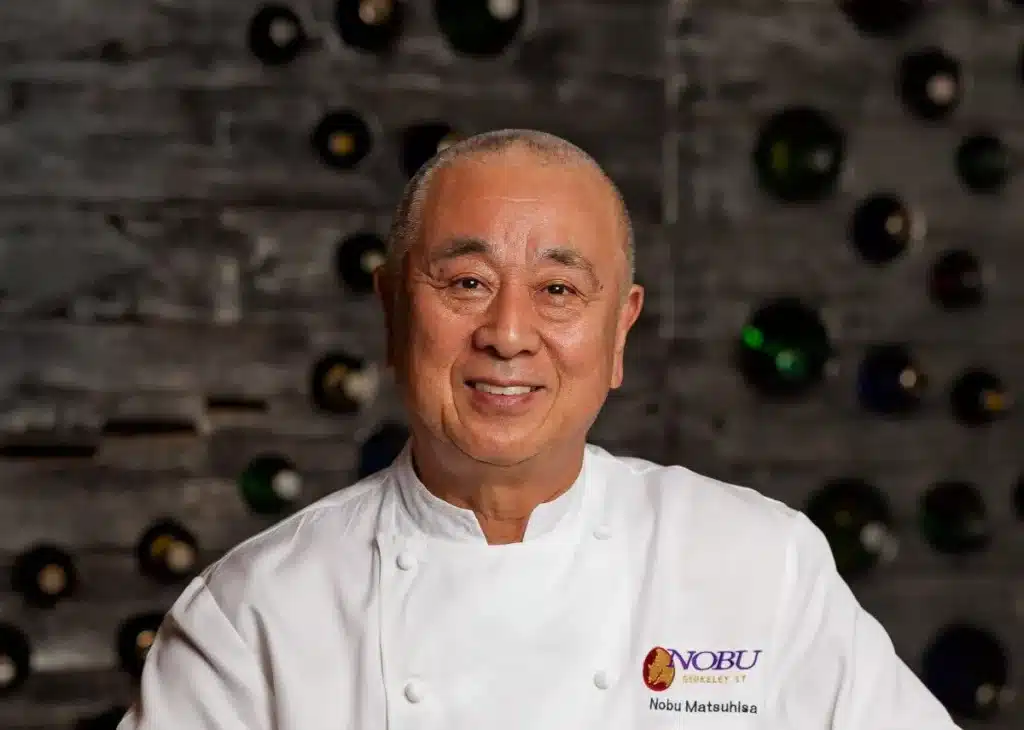
Design and Atmosphere: Creating the Perfect Setting
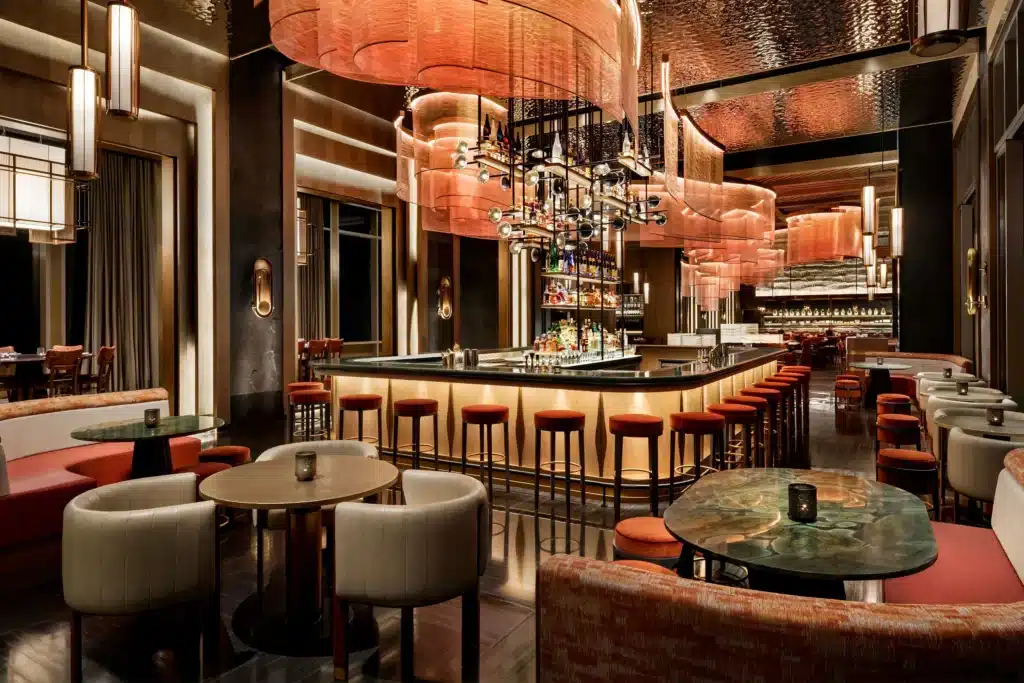
Nobu restaurants feature distinctive design aesthetics that balance Japanese minimalism with contemporary sophistication. Natural materials, warm lighting, and clean lines create serene environments that enhance the dining experience.
Each location adapts core design principles to local architectural traditions and cultural expectations whilst maintaining brand consistency. The challenge involves honouring local sensibilities without diluting the essential Nobu atmosphere.
Strategic lighting design creates intimate dining environments appropriate for business meetings, romantic dinners, and special celebrations. The subdued illumination encourages conversation whilst showcasing food presentation effectively.
Sound management ensures comfortable conversation levels despite busy service periods and open kitchen operations. Acoustic treatment and background music selection contribute to the sophisticated atmosphere that distinguishes Nobu from casual dining establishments.
Table spacing and seating arrangements encourage privacy whilst maintaining energy levels appropriate for social dining experiences. The balance between intimacy and vibrancy attracts diverse clientele seeking different dining experiences.
Art installations and decorative elements reflect both Japanese aesthetics and local cultural influences without overwhelming the food-focused atmosphere. Subtle integration ensures design elements enhance rather than compete with culinary presentations.
Nobu in the United Arab Emirates
Staff training programmes include cultural orientation for international team members working in Middle Eastern environments. Understanding local customs and business practices ensures appropriate service delivery for diverse clientele.
Both locations are halal-certified, with menu adaptations that maintain the signature dishes without compromising on flavour or quality.

Training the Next Generation
Nobu’s commitment to culinary education extends far beyond his own restaurant operations through formal and informal teaching programmes. He recognises that industry advancement requires sharing knowledge with aspiring chefs worldwide.
Master classes and demonstration events provide opportunities for professional chefs to observe Nobu’s techniques firsthand. These educational experiences spread proper preparation methods and cultural understanding throughout the culinary community.
Cookbook publications offer detailed explanations of signature recipes alongside philosophical discussions about fusion cuisine development. The books serve as educational resources for both professional and home cooks seeking authentic instruction.
Television appearances and documentary features showcase Nobu’s techniques whilst explaining the cultural contexts that inform his approach. These media exposures educate broader audiences about sophisticated sushi appreciation.
Apprenticeship programmes within Nobu restaurants provide intensive training opportunities for promising culinary students. The competitive selection process ensures only the most dedicated candidates receive this valuable educational experience.
Industry consultation services help other restaurateurs develop authentic Japanese cuisine programmes whilst avoiding common cultural misunderstandings. Nobu’s guidance prevents appropriation whilst encouraging respectful innovation.
Awards, Recognition, and Cultural Impact
Michelin Star recognition validates Nobu’s culinary excellence through the industry’s most prestigious award system. Multiple locations have received stars, confirming consistent quality standards across the global restaurant network.
James Beard Foundation honours acknowledge Nobu’s contributions to American culinary development and international cuisine integration. These awards recognise innovation whilst respecting traditional techniques and cultural heritage.
Cultural ambassador appointments by Japanese government agencies reflect Nobu’s role in promoting authentic Japanese cuisine worldwide. His efforts support cultural diplomacy through food appreciation and understanding.
Industry leadership positions include board memberships and advisory roles with culinary organisations focused on education, sustainability, and cultural preservation. Nobu’s influence extends beyond his own business interests.
Media coverage consistently portrays Nobu as the chef who transformed global sushi consumption patterns. Documentary films, magazine profiles, and television features cement his legacy as a cultural pioneer.
Academic recognition includes honorary degrees and guest lecture invitations from prestigious culinary schools worldwide. These acknowledgements reflect scholarly appreciation for Nobu’s contributions to culinary arts development.

The Nobu Hospitality division extends the brand into luxury hotel operations that apply culinary standards to accommodation services. Hotels feature signature restaurants alongside themed design elements that create immersive brand experiences.
The Continuing Legacy
Nobu’s influence on global cuisine extends far beyond his own restaurants through the countless chefs he has inspired and trained. His fusion philosophy opened new possibilities for cultural culinary exchange whilst maintaining respect for traditional techniques.
The democratisation of sophisticated sushi experiences introduced millions to Japanese culture through food appreciation. This cultural bridge-building contributes to international understanding and cooperation beyond mere commercial success.
Future expansion plans include emerging markets where growing affluence creates demand for luxury dining experiences. Each new location requires careful adaptation whilst preserving essential brand characteristics.
Succession planning ensures continuity of Nobu’s vision and standards as the brand evolves beyond its founder’s direct involvement. Training programmes and cultural documentation preserve institutional knowledge.
Innovation continues through menu development, service concepts, and technology integration that enhance customer experiences whilst respecting traditional foundations. The balance between change and continuity remains essential.
The story of Nobu: the man who made us love sushi represents more than individual achievement; it demonstrates how cultural respect, technical excellence, and innovative thinking can create lasting positive change that transcends borders and builds understanding between peoples.