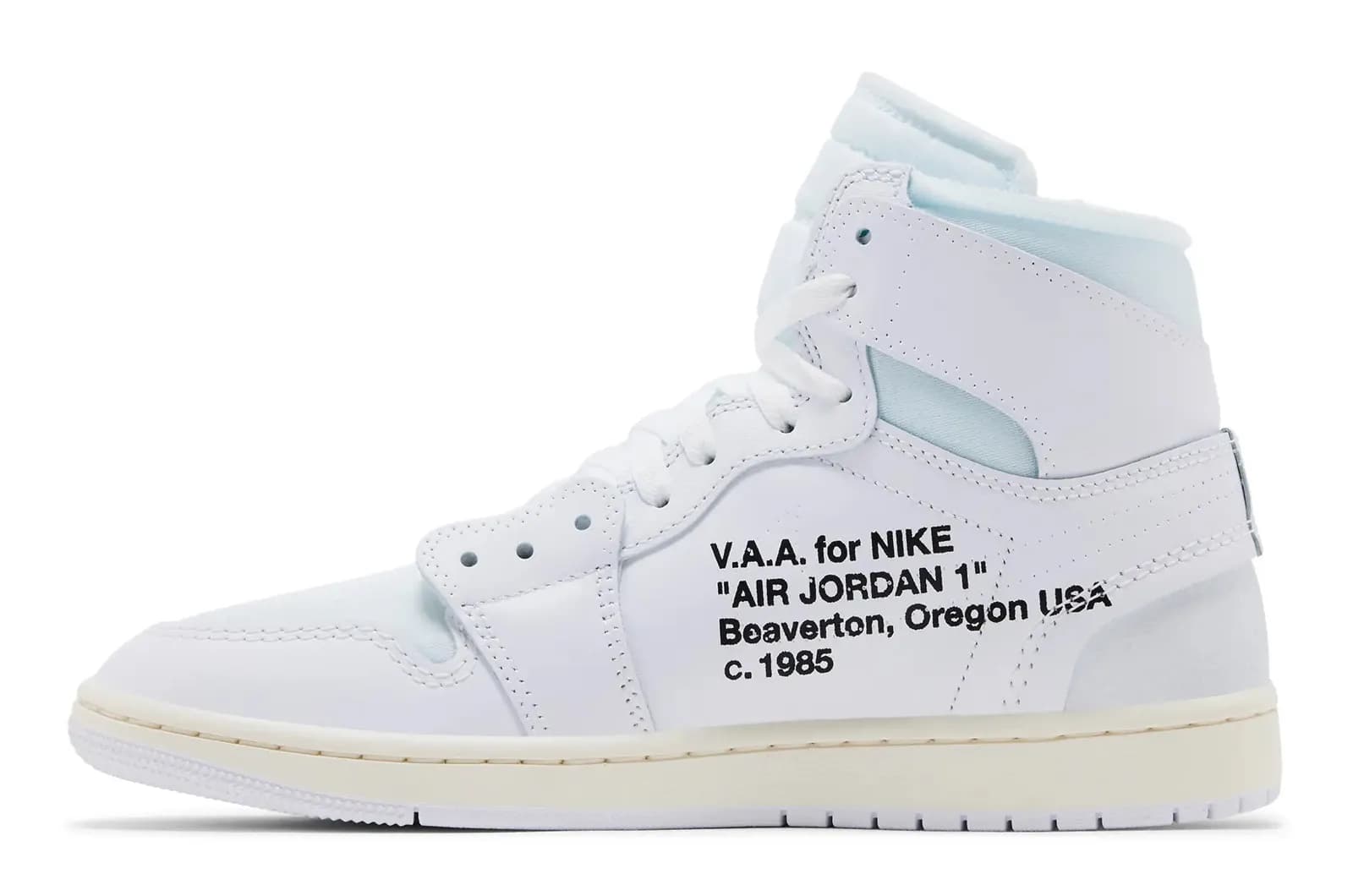
Buying luxury sneakers in the UAE: edition and condition checks, delivered costs, retail versus resale and a worked margin-and-markdown comparison.
Part of our complete guide to Sneakers in the UAE.
Related: check our Best Sneaker Stores in Dubai: Locations and Buying Checks for where to buy authentic releases and avoid fakes.
Luxury sneakers in the UAE can be a purchase, a collection or a resale business. Those are different decisions, and none guarantees a profit. A designer name, limited release or high asking price does not establish what another buyer will pay. Our view is simple: buy a pair for its design and use first; if resale matters, calculate the full cost and compare completed transactions for the exact edition, size and condition. This guide explains those checks without presenting a speculative market as a reliable investment.
UAE buying channels: retail, resale and collecting
A luxury retailer, a brand store and a resale boutique offer different buying arrangements. A current retail listing supplies one reference price; an aftermarket offer adds condition, provenance and seller terms. Neither tells us the age, wealth or motives of every UAE buyer. Compare the actual transaction instead of assuming the local market follows one uniquely sophisticated pattern. A pair can be a useful everyday purchase or a personal collectable without needing a theory about the whole country’s taste.
Different buyers, different needs
Residents, visitors, players and collectors can want different things from the same shoe. A visitor may value an available size and straightforward purchase; a wearer may prioritise fit; a collector may care about a particular edition and complete packaging. Treat those as buyer needs to ask about, not measured demographic findings. A luxury-shopping setting does not prove that everyone has a high disposable income, ignores trends or chooses sneakers as status objects. The correct offer depends on the person and the actual product.
The Sneaker’s Place in the Broader UAE Luxury Narrative
A fashion-house sneaker and a limited sportswear collaboration can sit at similar prices while offering different reasons to buy. Compare the silhouette, material specification, fit, condition and seller terms. If the appeal is the design, decide whether you would still want the shoe without the brand name on the box. If the edition’s history matters, verify which edition it is. A connection to watches, cars or a luxury lifestyle does not by itself add measurable resale value to footwear.

Buying to wear versus calculating a resale margin
Profit is the amount left after the full transaction, not the difference between two advertised prices. Add acquisition, delivery, payment, platform and any applicable import costs before assessing the margin. For an unworn collection, also consider storage and the possibility of unsold stock. A later buyer may not exist at the price you want. Our preference is to keep a wearing budget separate from a commercial resale calculation so a personal purchase is not justified by an unsupported promise of appreciation.
Compare the exact edition and completed sales
For a resale comparison, use the same shoe, size and condition. A high price for a different collaboration or older edition is not a direct benchmark. Record the sale date, actual transaction amount where available, fees and included items. If only asking prices exist, identify them as offers. Check whether the comparison reflects the same market and purchase protections; the actual pair and relevant transactions are the useful basis for a decision.
Design stories are not valuations
A brand story can explain why you like a pair, but it is not a valuation method. A watchmaker tie-up imagined as an example does not establish a real release or buyer demand. We would assess what is physically different: materials, shape, decoration, packaging or a documented edition. Then compare its cost with a model you would actually use. A limited tag, celebrity endorsement or luxury association should not replace those checks or be presented as a guarantee of stable resale performance.

Mastering Authentication, Legal Compliance, and Import Logistics in the UAE
For a resale business, the operational questions are concrete: which trading activity is licensed, who supplies the stock, how the product is described, what evidence supports authenticity and how complaints are handled. These are separate from choosing a pair for personal use. A strong design story cannot compensate for unclear sale terms or undocumented inventory. If you intend to trade, confirm the requirements with the relevant licensing authority for your activity and location rather than assume a generic company structure covers every arrangement.
Navigating UAE Legal Business Structures for Luxury Resale
The UAE Government’s eCommerce guidance says mainland online selling requires a commercial licence covering eCommerce activity from the relevant emirate’s authority. It is not a blanket recommendation to choose a mainland LLC or a free-zone company for every sneaker seller. The appropriate activity and structure depend on the actual business. Confirm them with the authority or a qualified adviser before trading; buying a pair for yourself and operating a resale enterprise are different situations.
Ensuring Trusted Authentication: Building Buyer Confidence
For authenticity, request a documented product identity, actual pair photographs, box-label details and provenance where available. Visual checks can flag questions but cannot independently certify a shoe. If a seller uses an authentication service, ask which service, what it checked and what remedy applies if the item is later found misdescribed. Keep the invoice and product description. The Dubai Consumer Rights site is a practical official reference for local purchasing disputes; a foreign private transaction can have different protections.
Import Pricing, Duties, and Retail Accessibility
For an overseas purchase, ask for the delivered total and identify which charges are included. Dubai Customs distinguishes personal goods and customs procedures; passenger allowances should not be casually applied to commercial inventory or a courier order. A seller’s low product price may be offset by shipping, import charges or a difficult return. Compare the same size and condition on complete cost, and confirm the classification and charges with the courier or customs authority when the terms are unclear.

Understand the buyer’s actual purpose
Ask what the buyer actually wants: a pair to wear, a complete collection item, a gift or stock for a business. That is more useful than assuming every luxury buyer is driven by status. A wearer may accept a missing box at a lower price; a collector may not. Someone buying as a gift may prioritise returns and presentation. The seller should describe the actual condition and contents accurately rather than use broad claims about affluent consumers to excuse missing information.
Personal collecting value versus financial return
Collecting can be personal. A shoe may matter because of a design, artist, sporting memory or edition, even when its resale prospects are weak. Separate that emotional value from a financial forecast. Decide what you can comfortably spend on the object itself, then check whether the pair offered matches the reason you want it. A meaningful purchase does not need to be described as an investment, and another collector’s willingness to pay more is not something a story can guarantee.
Verify scarcity rather than assume it
Scarcity should be described with evidence. A verified numbered edition is different from a shop calling its inventory limited, and a sold-out size is not proof of low total production. Do not invent a production count, urgency or VIP demand to justify a price. For a buyer, the practical question is whether the exact pair is available on acceptable terms. If a seller promotes special access, ask what it actually provides and whether the goods, fulfilment and cancellation rules are clear.
Retail and resale channels: checks before you pay
Compare buying channels by what they actually offer. A brand’s own local page can provide an AED price and size information; a multi-brand retailer may offer a different selection; a resale shop may supply an older or otherwise unavailable edition. Our Dubai sneaker-store guide provides shopping leads. A shop’s presence in that guide does not confirm every model or guarantee a purchase outcome: ask about the exact code, size, condition and returns terms.

A worked resale-cost example
This is a hypothetical calculation, not a UAE market price or a forecast. Suppose a pair costs AED 900, delivery and other acquisition charges add AED 75, and selling/payment costs are AED 55. At an actual sale price of AED 1,100, the amount left is AED 70 before any other business costs. The headline AED 200 difference between buy and sell prices therefore overstates the margin.
| Hypothetical item | AED |
|---|---|
| Purchase | 900 |
| Delivery and acquisition charges | 75 |
| Selling/payment costs | 55 |
| Total assumed cost | 1,030 |
| Actual sale | 1,100 |
| Amount left before other costs | 70 |
Replace each input with the actual offer and applicable fees. If the pair does not sell, the assumed sale amount is not income. A listing at AED 1,100 only becomes a sale when a buyer completes the transaction; holding the stock can add further costs and leave money tied up.
The same AED 70 profit can produce three very different percentages
On the example above, buying at AED 900 and selling at AED 1,100 gives a headline price increase of 22.2%. That is not the profit margin. Once the assumed AED 75 acquisition charges and AED 55 selling costs are included, only AED 70 is left. I would want the denominator written beside any percentage someone uses to sell me a resale opportunity.
| Measure | Calculation using the same example | What it tells you |
|---|---|---|
| Markup on the shoe’s purchase price | (1,100 − 900) ÷ 900 = 22.2% | The price uplift before the other assumed costs; not the final profit. |
| Return on the total assumed transaction cost | 70 ÷ 1,030 = 6.8% | The surplus relative to the full assumed outlay. |
| Profit margin on the achieved sale | 70 ÷ 1,100 = 6.4% | The share of the sale amount left after those assumed costs. |
These rounded percentages describe one hypothetical transaction before any additional business costs. They are not annual returns, a sample of UAE sales or an estimate of what a particular sneaker will earn. A quoted return needs its cost basis and holding period before it becomes useful.
When the selling fee is a percentage, recalculate break-even
Now change the fee model, not the shoe. Keep the AED 900 purchase and AED 75 acquisition charges, but replace the earlier AED 55 fixed selling cost with a hypothetical 8% charge on the sale amount. The 8% is an illustration, not a current StockX, GOAT or other platform rate.
Surplus = sale amount × (1 − percentage fee) − other fixed costs. At AED 1,100, the assumed fee is AED 88, leaving AED 37 after the AED 975 purchase/acquisition cost. The earlier fixed-fee version left AED 70. Do not subtract both AED 55 and 8% unless the actual seller terms really charge both.
Break-even sale amount = other fixed costs ÷ (1 − percentage fee). Here, AED 975 ÷ 0.92 is approximately AED 1,059.78, so AED 1,060 is the first whole-dirham sale price that covers these assumed costs. That is a cost threshold, not evidence that a buyer will pay it.
For an actual offer, substitute the written selling fee, its calculation base and every fixed charge. A platform may calculate different charges on different amounts or apply minimums. Add any further costs before deciding that the trade works. For the buying process itself, use our Dubai retail, draw and resale purchase checklist.
Arithmetic addition checked 27 October 2026. The existing licensing, customs and store-source discussion retains its stated earlier review scope; no new transaction, trading test or current fee survey is claimed.
Conclusion
Our verdict: luxury sneakers can be enjoyable to wear or collect, but the case for profit has to be demonstrated for the actual transaction. Buy the design you want on clear terms, keep the documentation and distinguish personal value from an expected return. For trading, verify licensing and cost assumptions separately. There is no supported claim here that the UAE market is less speculative than another country’s or that heritage, craftsmanship and exclusivity guarantee sustainable resale gains.
Before paying, write down the exact edition and size, condition, included box and accessories, delivered total and returns remedy. Compare one realistic alternative you would also wear or collect. If resale is part of the decision, keep that calculation separate and use evidenced transactions. Walking away from an offer with poor documentation can be the better decision, even when the product has a strong collaboration story.
Disclaimer: This article is for informational purposes only and does not constitute financial, investment, or legal advice. Readers should consult with qualified professionals for specific guidance related to business operations, investments, and legal compliance in the UAE.
Stress-test the margin before buying stock
Keep the earlier example’s assumed AED 1,030 total cost fixed and change only the achieved sale price. This shows how little room that proposed transaction has for a markdown; it is not a forecast for the sneaker market.
| Hypothetical achieved sale | Amount left after assumed AED 1,030 cost |
|---|---|
| AED 950 | AED 80 loss |
| AED 1,100 | AED 70 surplus |
| AED 1,250 | AED 220 surplus |
The figures still exclude any additional business costs. The AED 70 surplus on a sale at AED 1,100 is approximately 6.4% of the sale amount, not a 22% margin. A percentage-based platform fee would change with the sale price and must be recalculated rather than held fixed like the assumed AED 55 here.
Before buying, set a maximum holding period, a minimum acceptable net outcome and the evidence you will use to price a markdown. If the purchase only looks viable at an optimistic asking price, you have not demonstrated a resale margin. For a pair you intend to wear, use a personal spending limit instead of an imagined future exit price.
Review checked on 18 October 2026. The cost scenarios are editorial arithmetic, not sales data. The linked customs FAQ distinguishes commercial clearance from passenger allowances; some unrelated wording on that legacy page is dated, so confirm the actual classification and current treatment for an import rather than relying on it as a complete tax guide.