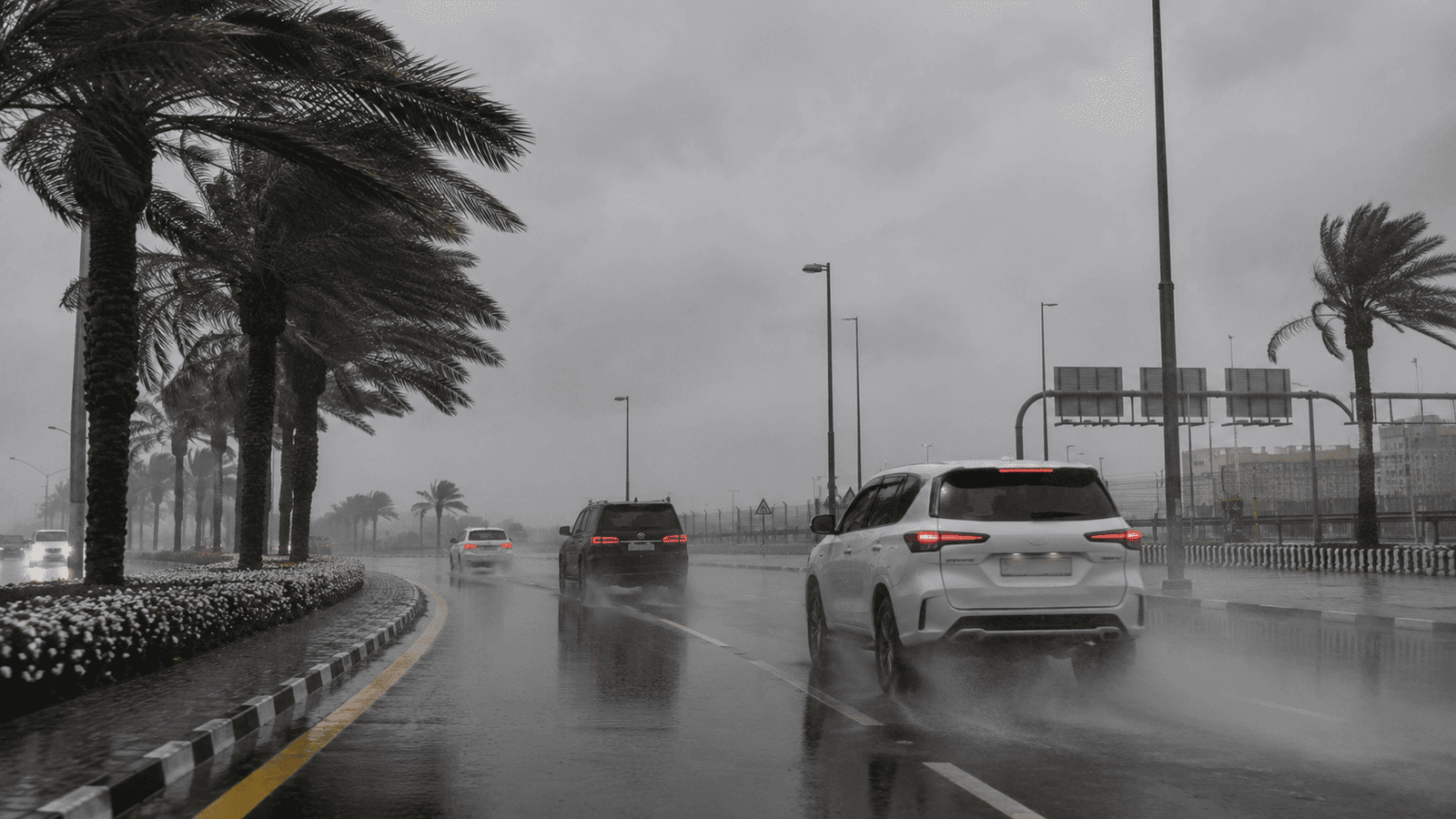
Discover essential UAE rain safety rules. Avoid Dh2,000 fines, navigate unstable weather, and protect your home & family. Stay informed, read now.
As a fresh wave of unstable weather sweeps across the UAE, residents are urged to remain vigilant. Navigating the unpredictable conditions, from sudden downpours to flash floods, requires not just caution but also a clear understanding of official advisories and strict regulations. What’s Hot in UAE is your definitive guide to staying safe, avoiding hefty fines, and protecting your property during the current rain alerts.
This essential guide will cover everything you need to know: from understanding official weather forecasts and the severe penalties for non-compliance, particularly the Dh2,000 fines, to critical road safety measures, hazardous areas to steer clear of, and crucial home and electrical precautions. We’ll also detail how to report emergencies and stay informed through official channels, ensuring you’re fully prepared for the 2026 rainy season in the Emirates.
In This Article
- Understanding the UAE Rain Alert: Official Advisories and Forecasts
- Strict Penalties: Navigating UAE Rain Fines and Traffic Points
- Drive Smart, Stay Safe: Essential Road Safety Rules During UAE Rainfall
- Areas to Avoid During Unstable Weather: Protecting Yourself from Floods and Hazards
- Home and Electrical Safety: Safeguarding Your Property and Family
- Reporting Emergencies and Staying Informed: Your Role in Community Safety
- Frequently Asked Questions
Understanding the UAE Rain Alert: Official Advisories and Forecasts
A UAE rain alert signifies official warnings issued by authorities, primarily the National Centre of Meteorology (NCM), to inform residents about impending unstable weather conditions, including heavy rainfall, strong winds, and potential flash floods. These official advisories are crucial for public safety, guiding residents on necessary precautions and areas to avoid to mitigate risks to life and property across the Emirates.
When the skies open up over the UAE, official rain alerts become paramount for public safety. These advisories are not mere suggestions but critical instructions designed to protect lives and property across the Emirates. Understanding their significance is the first step in responsible conduct during unstable weather.
The National Centre of Meteorology (NCM) serves as the primary authority for all weather forecasts and alerts in the UAE. The NCM carefully monitors atmospheric conditions, utilising advanced technology such as satellite imagery and radar systems to predict cloud activity, rainfall intensity, and potential impacts with increasing accuracy. Their timely warnings, often disseminated through official channels like social media, news outlets, and government apps, are crucial for residents to anticipate and prepare for adverse weather conditions, which can range from minor inconveniences to significant disruptions. What’s Hot in UAE aggregates and interprets these official announcements, providing clear, actionable insights for our community to navigate periods of unstable weather UAE.
Strict Penalties: Navigating UAE Rain Fines and Traffic Points
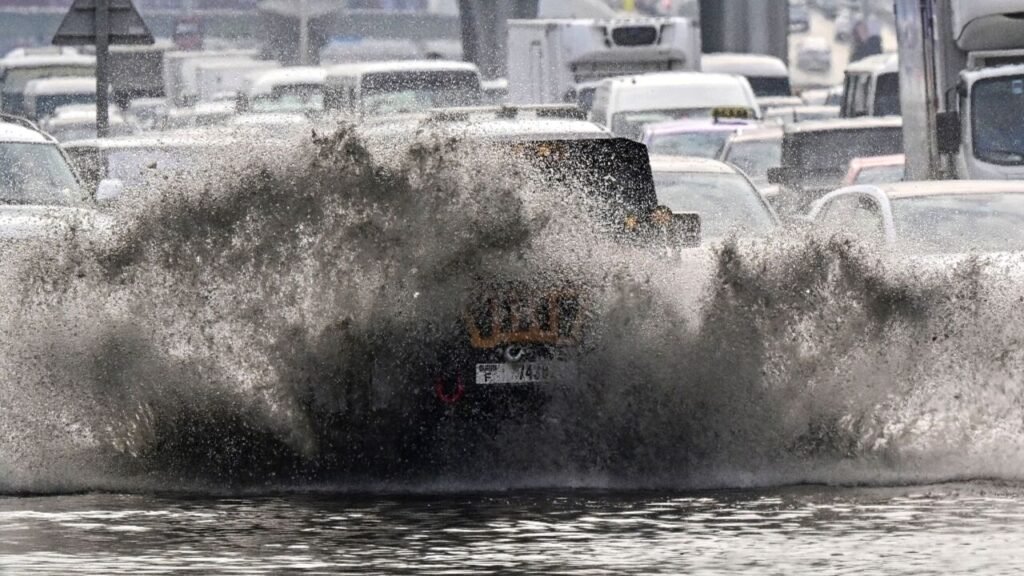
Ignoring official warnings during UAE rain alerts can lead to significant legal consequences, including substantial fines, traffic points, and vehicle impoundment. Authorities, including the Ministry of Interior, enforce strict penalties for rain violations such as entering flooded areas or obstructing emergency services, aiming to protect public safety and ensure unimpeded rescue operations during unstable weather conditions.
Ignoring official warnings during periods of heavy rainfall in the UAE can lead to severe legal consequences, including substantial fines, traffic points, and even vehicle impoundment. Authorities are taking a firm stance to ensure public safety, making it imperative for residents to understand and adhere to all regulations.
These penalties are designed to deter risky behaviour that endangers individuals and obstructs emergency services, which are often stretched during widespread rain events. The Ministry of Interior and various police authorities across the Emirates have issued clear advisories outlining specific fines and penalties for non-compliance. These regulations are enforced strictly to prevent accidents, protect vital infrastructure, and ensure that emergency operations can proceed without hindrance. Understanding these legal ramifications is crucial for every resident to avoid unexpected financial burdens and legal troubles associated with rain violations.
Specific Violations and Their Consequences During Rainfall
The UAE has implemented stringent penalties to enforce safety during rain and unstable weather, particularly concerning hazardous areas. Residents must be aware of these specific violations and their associated fines and traffic points.
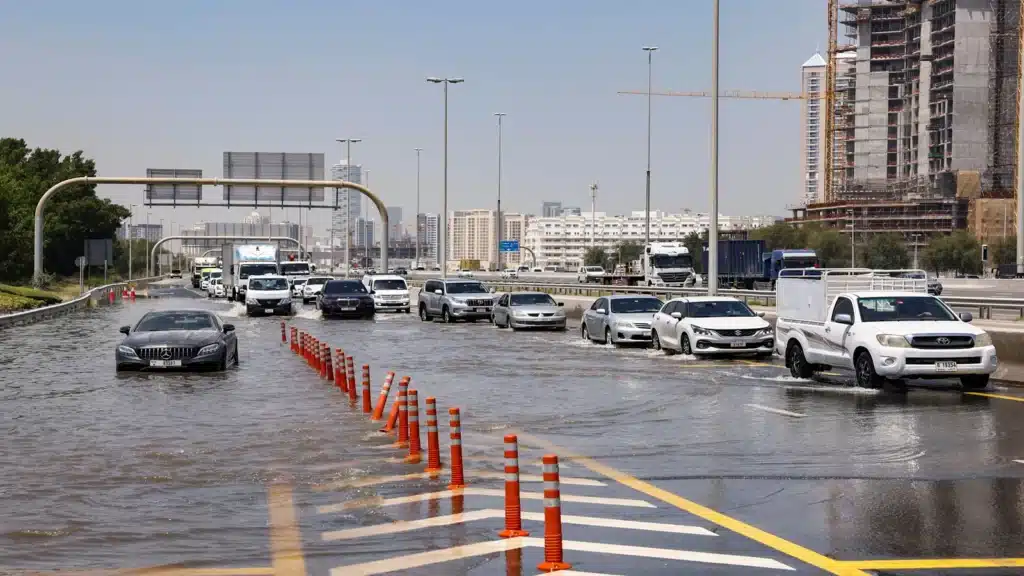
One common infraction is gathering near wadis, dams, or flood zones, which carries a Dh1,000 fine and 6 traffic points. This measure aims to prevent onlookers from putting themselves at risk in areas prone to sudden water surges and potential flash floods. More severely, entering flooded valleys, regardless of the perceived risk level, incurs a substantial Dh2,000 fine, 23 traffic points, and a 60-day vehicle impoundment. This particular penalty highlights the extreme danger of underestimating flash floods in wadis, where water levels can rise rapidly, and currents can be deceptively strong. What’s more, obstructing emergency or rescue operations is met with a Dh1,000 fine, 4 traffic points, and possible vehicle impoundment, underscoring the importance of allowing first responders unimpeded access to critical situations and ensuring their safety.
Drive Smart, Stay Safe: Essential Road Safety Rules During UAE Rainfall
During UAE rainfall, essential road safety rules are paramount to prevent accidents and ensure the well-being of all motorists. Key protocols, advised by the Ministry of Interior and police authorities, include significantly reducing speed, maintaining ample safe distances between vehicles, utilising headlights and wipers for visibility, and strictly avoiding distractions to navigate wet conditions safely.
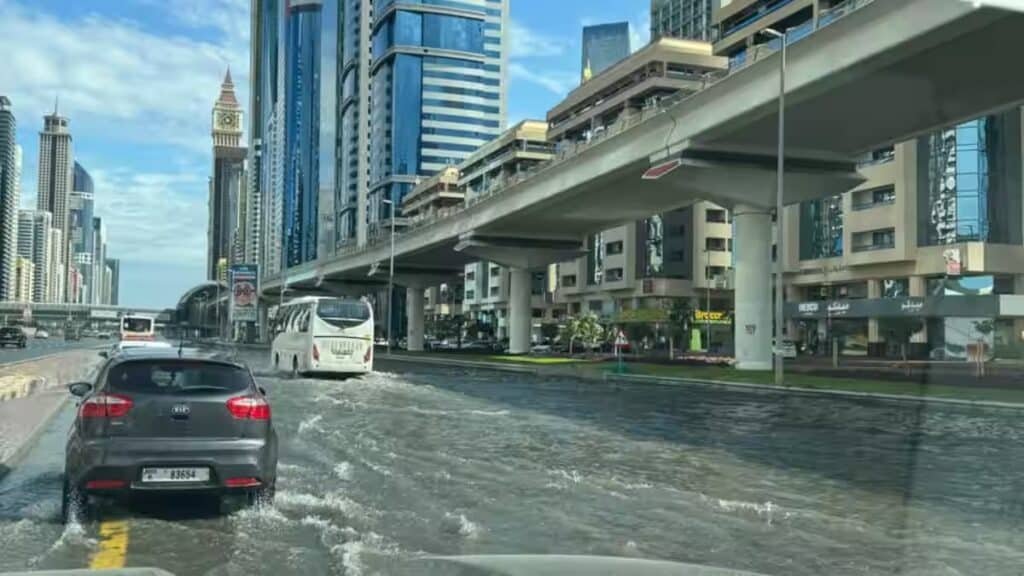
Driving during heavy rainfall in the UAE presents unique challenges, from reduced visibility to slippery roads and unexpected water accumulation. The Ministry of Interior and police authorities consistently issue advisories on safe driving practices, emphasising that adherence to these guidelines is not just recommended but essential for preventing accidents and ensuring the safety of all road users. Wet conditions drastically reduce tyre traction, increasing the risk of aquaplaning and loss of vehicle control, while heavy downpours can severely limit a driver’s ability to see the road ahead. These official guidelines are designed to mitigate the risks associated with such conditions, which can lead to longer braking distances and unpredictable vehicle behaviour. By following these protocols, motorists can significantly reduce their chances of being involved in an incident, protecting themselves, their passengers, and others on the road. Prioritising caution and defensive driving is key when the weather turns, ensuring better UAE rain driving safety and overall road safety UAE rain.
Key Driving Protocols for Wet Conditions
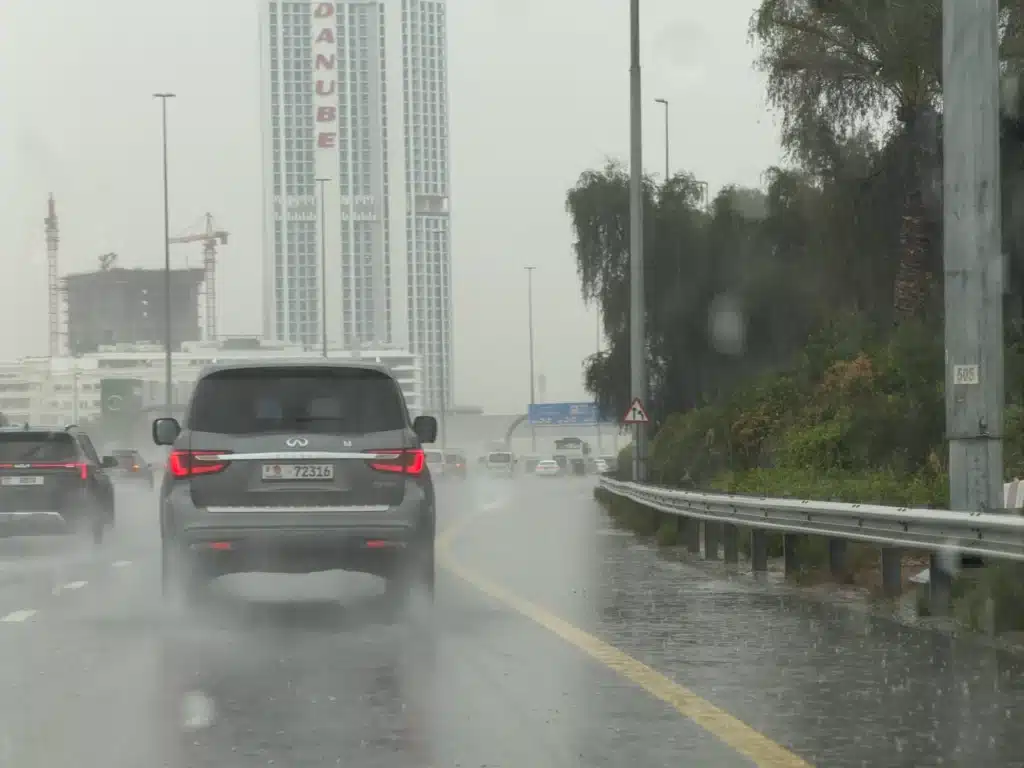
When driving in heavy rain across the UAE, motorists must adopt a heightened sense of awareness and adjust their driving habits accordingly. Police authorities consistently advise several critical actions to ensure safety. Firstly, reduce speed due to water accumulation on roads, as higher speeds dramatically increase the risk of aquaplaning, where tyres lose contact with the road surface. Secondly, maintain a safe distance between vehicles to allow for increased braking distances on wet surfaces, which can be up to double that required on dry roads. Thirdly, use headlights and windscreen wipers effectively for clear visibility, even during daylight hours, to ensure you can see and be seen by other drivers. Crucially, avoid distractions such as mobile phone use and refrain from sudden stops or dangerous swerving, as these actions can easily lead to loss of control on slippery roads, making safe driving tips UAE vital during adverse weather.
Areas to Avoid During Unstable Weather: Protecting Yourself from Floods and Hazards
During unstable weather, residents must avoid specific hazardous locations in the UAE to protect themselves from floods and unforeseen dangers. Authorities advise steering clear of wadis, low-lying areas, and flood-prone zones, where water can accumulate rapidly or flash floods can occur, posing severe risks to life and requiring emergency intervention.
During periods of heavy rainfall and unstable weather in the UAE, certain locations become extremely hazardous and must be avoided at all costs. Authorities across the country issue unified messages, strongly advising residents to steer clear of these high-risk zones to prevent accidents, injuries, and even fatalities. Understanding which areas pose the greatest threat is fundamental to ensuring personal safety.
These warnings are based on historical data and geographical vulnerabilities, where water accumulation or sudden surges can occur rapidly and unpredictably. Disregarding these advisories can place individuals in life-threatening situations, requiring emergency rescue efforts that divert critical resources. The dangers include not only the force of floodwaters but also hidden debris, submerged obstacles, and the risk of being swept away. Prioritising safety means actively avoiding these identified hazardous locations, ensuring UAE flood areas to avoid are respected until weather conditions stabilise and official clearances are issued.
Understanding Wadi Dangers and Flood Zones
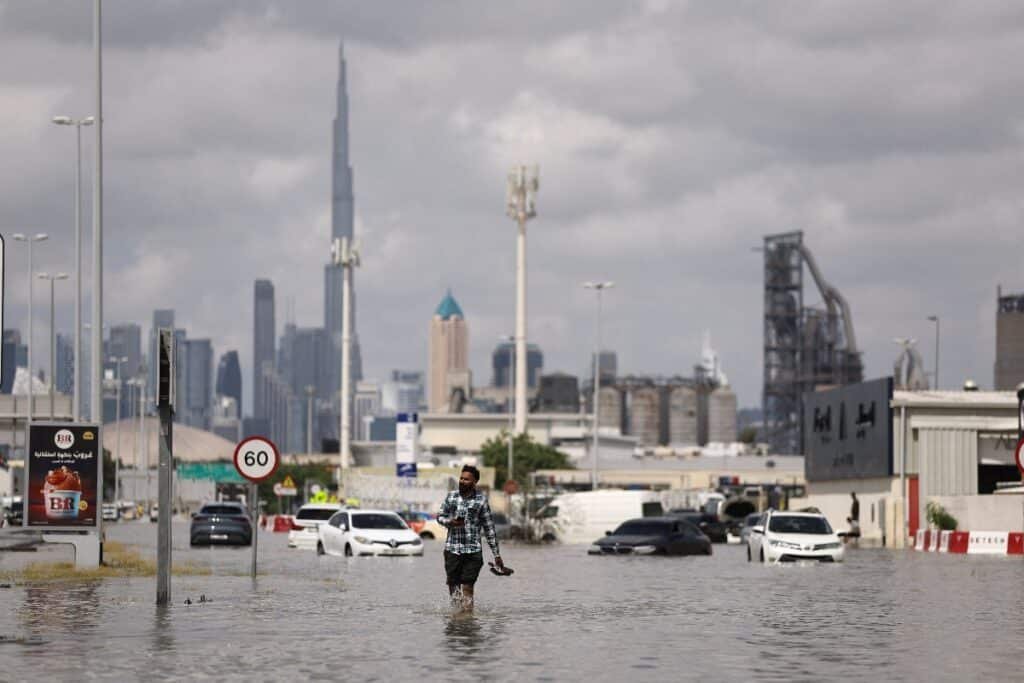
Wadis and low-lying areas in the UAE pose significant risks during rainfall due to their susceptibility to sudden flash floods. These natural depressions, often dry riverbeds, can quickly transform into raging torrents, even from distant rainfall in mountainous regions, making them incredibly dangerous. The ground in desert areas can be less absorbent, leading to rapid surface runoff and swift water accumulation. Official directives explicitly state the importance of avoiding valleys, low-lying areas, and flood-prone zones. Residents are strictly advised not to attempt crossing flooded wadis, regardless of how shallow the water may appear, as currents can be deceptively strong, water levels can rise rapidly, and the ground beneath may be unstable. What’s more, staying away from areas with accumulated water, including beaches, the sea, and mountainous regions during unstable weather, is crucial to prevent unforeseen hazards such as strong currents, high tides, or landslides, reinforcing wadi safety UAE.
Home and Electrical Safety: Safeguarding Your Property and Family
Ensuring home and electrical safety comes first during UAE rain alerts to safeguard property and family. Residents should follow guidelines from authorities like the Abu Dhabi Department of Energy and Dubai Municipality, which advise securing outdoor items, inspecting electrical connections, and avoiding contact with potentially live wires or flooded installations to prevent accidents and damage.
Beyond road safety, ensuring your home and outdoor spaces are secure during wet conditions comes first for every UAE resident. Heavy rainfall can expose vulnerabilities in electrical systems and dislodge outdoor items, leading to potential hazards such as short circuits, power outages, and falling debris. Taking proactive steps can significantly mitigate risks to property and family members, preventing injuries and costly damage.
Both the Abu Dhabi Department of Energy and Dubai Municipality have issued comprehensive guidelines to help residents prepare for and manage the impact of unstable weather. These emirate-specific advisories demonstrate a commitment to public safety, offering practical steps that can be easily implemented to safeguard against common rain-related dangers. Adhering to these expert recommendations is a smart move for every household, ensuring solid UAE rain precautions home and overall home safety storm.
Critical Electrical Precautions During Wet Weather
Electrical hazards pose a significant risk during wet conditions, and the Abu Dhabi Department of Energy has issued clear cautions to protect residents. It is critical to avoid touching street lighting poles or exposed wires as they can become live and extremely dangerous when wet, leading to severe electrocution. Similarly, residents must stay away from electrical installations where water has accumulated, as this increases the risk of electrocution and potential damage to the power grid. What’s more, standing under trees or near electrical poles during rainfall should be avoided, as lightning strikes or falling branches can cause severe injury or damage to electrical infrastructure and power line safety. These precautions are vital for preventing serious accidents and ensuring electrical safety rain UAE.
Protecting Your Home and Outdoor Spaces
Dubai Municipality has outlined practical steps for residents to protect their homes and outdoor areas during rainfall. Firstly, ensure electrical connections are properly secured and insulated to prevent short circuits and hazards, especially for outdoor appliances. Secondly, clean internal rainwater drains to facilitate proper water flow and prevent blockages that could lead to internal flooding. Residents should use designated drainage systems to dispose of accumulated water and, crucially, do not open sewage manholes to drain rainwater, as this can cause severe environmental and infrastructural problems, including sewage overflow and contamination. Outdoors, secure outdoor furniture and remove loose items from balconies and rooftops to prevent them from becoming projectiles in strong winds, which often accompany heavy rain. Finally, avoid walking near trees, unstable signboards, temporary fences, and construction sites, as these can pose falling hazards during adverse weather, ensuring comprehensive Dubai Municipality safety.
Reporting Emergencies and Staying Informed: Your Role in Community Safety
Active community participation in reporting issues and staying informed is crucial for collective safety during UAE rain alerts. Residents play a vital role by promptly reporting hazards like water accumulation or fallen trees via official channels, and by continuously monitoring updates from the NCM, police, and municipalities to ensure timely responses and personal preparedness.
In times of unstable weather, active community participation in reporting issues and staying informed is crucial for collective safety. Residents play a vital role in assisting authorities by promptly reporting hazards and adhering to official updates. Knowing the correct channels and procedures ensures that help reaches where it’s needed most and that everyone remains safe.
The scale of potential issues during widespread rain, from waterlogged roads to fallen trees and power outages, means that citizen reports are invaluable for authorities to prioritise and respond efficiently. This proactive engagement helps emergency services manage situations effectively and ensures that residents receive the most current and accurate information. Your vigilance contributes directly to the overall resilience and safety of the UAE community, helping to report water accumulation UAE and other critical issues.
Official Channels for Weather Updates and Emergency Contacts
Staying connected with official sources comes first during a UAE rain alert. Residents should continuously monitor official channels from the National Centre of Meteorology (NCM), local police, and municipalities for the latest weather alerts and safety instructions. These bodies provide real-time updates that can dictate immediate actions, ensuring you receive official weather alerts. For reporting non-emergency issues like water accumulation or fallen trees, Dubai Municipality advises calling their dedicated number 800900 or using their WhatsApp service. For genuine emergencies that pose an immediate threat to life or property, authorities reiterate the importance of contacting emergency services directly. Knowing when to use non-emergency reporting lines versus critical emergency numbers is key to efficient response and community safety, ensuring appropriate use of UAE emergency services.
Frequently Asked Questions
What are the main fines for rain-related violations in the UAE?
The main fines include Dh1,000 and 6 traffic points for gathering near wadis or flood zones. More critically, entering flooded valleys carries a Dh2,000 fine, 23 traffic points, and a 60-day vehicle impoundment. Obstructing emergency operations also results in a Dh1,000 fine and 4 traffic points, highlighting the seriousness of rain violations.
Which areas should I avoid during heavy rain in the UAE?
Residents should avoid valleys, low-lying areas, and flood-prone zones, including wadis. It is also advised to stay away from beaches, the sea, and mountainous areas during unstable weather, and never attempt to cross flooded wadis or walk in pooled water, as these are UAE flood areas to avoid.
What are the key driving safety tips during UAE rainfall?
Motorists must reduce speed due to water accumulation, maintain a safe distance from other vehicles, and use headlights and windscreen wipers for clear visibility. It is crucial to avoid distractions like mobile phones and refrain from sudden stops or dangerous swerving to ensure UAE rain driving safety.
How can I ensure electrical safety at home during wet weather?
The Abu Dhabi Department of Energy advises avoiding touching street lighting poles or exposed wires. Stay away from electrical installations with accumulated water and do not stand under trees or near electrical poles during rainfall. Ensure all home electrical connections are secured and insulated for electrical safety in the UAE.
What should I do if I see water accumulation or fallen trees in Dubai?
Dubai Municipality advises residents to report water accumulation or fallen trees by calling their dedicated number, 800900, or by contacting them via WhatsApp. This helps authorities address issues promptly and maintain public safety, contributing to Dubai Municipality’s safety efforts.
How can I stay updated on the latest UAE weather alerts?
Always follow official updates and instructions from the National Centre of Meteorology (NCM), the Ministry of Interior, and local police authorities. These official channels provide the most accurate and timely information regarding evolving weather conditions and safety advisories, ensuring you receive NCM official updates.
The UAE’s commitment to resident safety during unstable weather is clear, backed by stringent regulations and comprehensive advisories. From the Dh2,000 fines for entering flooded valleys to essential electrical and home precautions, every guideline is designed to protect you and your loved ones. What’s Hot in UAE remains dedicated to bringing you the sharpest, most relevant local coverage, ensuring you’re always in the know.
Stay informed, prioritise your safety and the safety of those around you. Bookmark this guide, share it with family and friends, and always follow official UAE government advisories during periods of unstable weather. Visit What’s Hot in UAE for the latest updates on living safely and smartly in the Emirates.
Disclaimer: This article provides general safety information based on official UAE advisories. Residents should always refer to the latest announcements from the National Centre of Meteorology (NCM), the Ministry of Interior, and local authorities for real-time updates and specific instructions. Safety guidelines and fines are subject to change.