The spectacle of Fashion Week is one of the most anticipated events on the global calendar, a dazzling convergence of creativity, commerce, and culture. From the iconic runways showcasing the latest trends to the influential figures shaping the industry’s future, fashion weeks command worldwide attention. Yet, beneath the glamour lies a complex strategic dance: how are these influential host cities chosen? It’s a question often pondered but rarely illuminated. This article serves as the definitive insider’s playbook, demystifying the intricate strategic dynamics, powerful economic drivers, and future-forward trends that shape fashion week city selection. For anyone seeking to understand the true pulse of global fashion and urban influence, this guide reveals the unseen forces at play.
Fashion weeks are more than just seasonal showcases; they are pivotal cultural and economic phenomena with immense significance. They act as essential platforms for designers to present their collections, for buyers to place orders, and for media to disseminate trends globally. The selection of a host city is, therefore, a critical, multi-faceted decision impacting not only the global fashion calendar but also urban development and city branding. From our perspective as industry insiders, the location dictates the entire vibe, logistical feasibility, and even the narrative of the collections themselves. Industry bodies, such as the Council of Fashion Designers of America (CFDA) or the British Fashion Council (BFC), play a crucial role in organising and sanctioning these events, ensuring a level of prestige and operational excellence. The influence these events wield extends far beyond the immediate sales, shaping perceptions and driving tourism, making the strategic dynamics of their placement paramount.
The Unseen Criteria: What Makes a City a Fashion Capital?
The decision-making process behind selecting a fashion week city is far from arbitrary. It hinges on a blend of explicit and implicit criteria that collectively determine a city’s viability and desirability as a global fashion hub. This section will peel back the curtain, drawing on our unique insights into the infrastructure, industry ecosystem, cultural resonance, and governmental support required to elevate a city’s fashion status. Understanding these critical factors provides a comprehensive framework for why certain cities consistently host these events and what it takes for new contenders to emerge.

Infrastructure & Logistics: The Operational Backbone
At the fundamental level, a city must possess a solid physical infrastructure to accommodate an event of fashion week’s scale. This includes a diverse range of suitable venues—from grand historic halls to contemporary exhibition spaces—capable of hosting numerous shows, presentations, and ancillary events simultaneously. What’s more, an efficient transportation network (international airports, public transit, and private car services) is essential for moving designers, models, buyers, and media personnel. Accommodation capacity, ranging from luxury hotels to boutique options, must be sufficient to house thousands of visitors. Beyond this, advanced technical support, including high-speed internet, lighting, sound, and security, is non-negotiable. Our operational experience shows that logistical capabilities are not just a nice-to-have; they directly influence a city’s viability and the smooth execution of the entire week.
Industry Ecosystem: A Thriving Creative Hub
A city’s inherent fashion industry ecosystem is a cornerstone for sustaining a successful fashion week. This encompasses a lively community of local designers, skilled manufacturers and ateliers, influential media outlets, and adept PR agencies. The presence of top-tier modelling agencies and talent pools is equally crucial. What’s more, reputable fashion educational institutions act as incubators for new talent, ensuring a continuous pipeline of innovation. Our insights reveal that a solid ecosystem fosters a dynamic environment where creativity thrives, collaborations flourish, and the industry can continuously reinvent itself, making the city a genuine creative hub for fashion.
Cultural Resonance & Global Image: Brand Alignment
Beyond the tangible, a city’s cultural heritage, artistic vibrancy, and global reputation significantly influence its appeal as a fashion capital. The “cool factor”—an intangible yet powerful magnetism—plays a substantial role. Cities with a rich history of art, design, and cultural movements often possess an innate synergy with fashion, allowing for compelling narratives and brand alignment with the prestige of a fashion week. Our perspective emphasises how a city’s cultural narratives can deeply influence event placement, creating a more authentic and impactful experience for all involved.

Governmental & Financial Support: The Political Will
The crucial role of local government support cannot be overstated. Hosting a major fashion week often requires substantial financial incentives, streamlined bureaucratic processes, and solid public-private partnerships. Governments can offer tax breaks, direct funding, security, and public services that are essential for large-scale events. Our expertise underscores the necessity of strong governmental backing for fashion weeks; political commitment can genuinely make or break a city’s bid, transforming a promising proposal into a successful, sustained event.
The Bidding Battlefield: How Cities Vie for Fashion Week Prestige
Understanding the criteria is one thing, but how do cities practically navigate the competitive landscape to secure a fashion week? This section delves into the real-world process and challenges, drawing from our insider perspectives on city selection and bidding. It reveals the strategic considerations cities undertake to enhance their fashion week standing, addressing a significant content gap in publicly available information.
The Bidding Process: From Proposal to Podium
The journey for a city to host a major fashion week typically involves several stages. It begins with an initial expression of interest, often followed by a formal request for proposal (RFP) from the organising body. Cities then develop detailed proposals outlining their infrastructure, logistical plans, financial commitments, and strategic vision. This process involves numerous key stakeholders, including city tourism boards, economic development agencies, event management firms, and local fashion councils. Negotiations can be extensive, focusing on everything from venue contracts to security protocols. Our operational experience highlights that a strong bid package is comprehensive, visionary, and financially compelling, demonstrating a city’s unwavering commitment.

Case Studies: Learning from Successes and Setbacks
While specific public data on fashion week bidding challenges is scarce, our deep industry knowledge allows us to analyse broad patterns. Cities like Tokyo, Seoul, and São Paulo, for instance, have successfully developed significant regional fashion weeks by strategically investing in infrastructure, fostering local talent, and securing governmental support. Their success often stems from a clear vision that leverages their unique cultural identities. Conversely, cities that have struggled often face issues with inconsistent funding, insufficient infrastructure, or a lack of cohesive industry support, illustrating the multi-faceted nature of fashion week success.
Sustaining the Hype: Retaining Fashion Week Status
Securing a fashion week is only the beginning. Maintaining a city’s status as a fashion capital requires continuous investment, innovation, and relevance. This means continually updating infrastructure, nurturing emerging designers, engaging with global fashion trends, and adapting to industry changes. Our strategic foresight indicates that long-term engagement and evolution are vital. Cities must consistently demonstrate their value proposition, proving they remain dynamic and forward-thinking hubs for creative expression and commerce.
Economic & Urban Impact: The Price and Prestige of Hosting
Hosting a fashion week is a substantial undertaking, but it comes with significant economic and branding benefits for cities. This section examines the tangible and intangible returns, addressing the economic impact of fashion weeks on cities and how these events profoundly impact city branding.
Boosting Local Economies: Jobs, Tourism, and Spending
Fashion weeks are powerful economic engines. They generate direct and indirect job creation across various sectors, from hospitality and retail to production and media. The influx of international and domestic visitors translates into increased tourism revenue, boosting hotel occupancy, restaurant spending, and local retail sales. Beyond immediate consumption, the global media exposure gained during fashion week attracts foreign investment and business opportunities. Our understanding of industry spend confirms that these events deliver a substantial economic boost to their host cities.
City Branding & Global Standing: Beyond the Runway
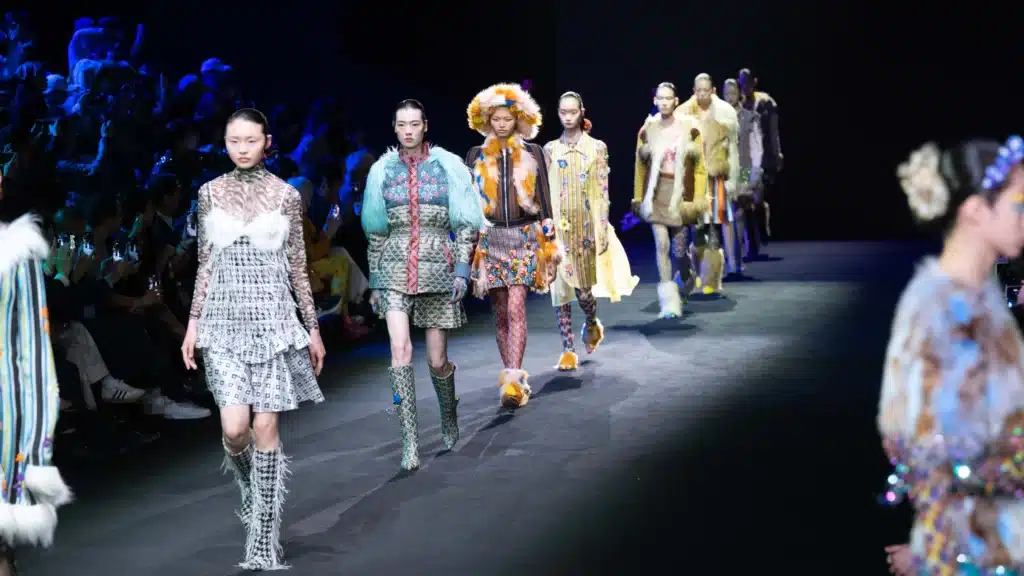
The “halo effect” of hosting a fashion week extends far beyond economic figures. It significantly elevates a city’s international profile, enhancing its brand image and positioning it as a centre for creativity, innovation, and cultural relevance. This prestige can attract talent, inspire local industries, and foster a sense of civic pride. Our insights reveal the strategic implications of fashion event hosting for urban identity, showing how a fashion week can become synonymous with a city’s global standing.
Measuring ROI: Financial Investments vs. Intangible Gains
Quantifying the precise return on investment (ROI) for cities hosting fashion weeks can be challenging. Direct financial outlays are considerable, covering venue costs, security, marketing, and incentives. However, the benefits often include significant intangible gains, such as enhanced brand equity, increased global recognition, and cultural enrichment, which are harder to measure in monetary terms. Our experience in evaluating large-scale events indicates that cities must balance these direct costs with the long-term, often immeasurable, benefits of prestige and elevated global standing.
The Evolving Landscape: Established vs. Emerging Fashion Hubs
The global fashion landscape is in constant flux, with established capitals continuously evolving and new contenders rising. This section offers a forward-looking analysis, identifying the most influential fashion week cities, exploring their historical trajectories, and predicting future fashion week cities.
The ‘Big Four’ and Beyond: A Historical Perspective
For decades, New York, London, Milan, and Paris have constituted the “Big Four” fashion weeks, securing their dominance through a potent mix of historical legacy, influential design houses, solid industry ecosystems, and cultural significance. These cities have maintained their status by continually innovating and adapting to changing trends. However, other significant hubs like Tokyo, Shanghai, and Sydney have also carved out influential niches, each contributing unique perspectives to the global fashion dialogue. Our deep industry knowledge offers context into this historical evolution, demonstrating how consistent excellence and cultural relevance solidify a city’s place.

The Rise of New Contenders: Emerging Fashion Capitals
The fashion world is increasingly decentralised, and several cities globally are gaining traction as emerging fashion hubs. Cities in the Middle East, particularly in the UAE, are demonstrating strong potential. Dubai is the clearest example: its own Dubai Fashion Week now runs twice yearly at Dubai Design District (d3) — Autumn/Winter in early February, Spring/Summer in early September — backed by government-level investment (Tecom Group/Dubai Design District) and a growing roster of homegrown labels including Qasimi (which shows at London Fashion Week), Les Benjamins, BUKA, and The Giving Movement. Similarly, cities in Asia and Africa are increasingly showcasing local talent and unique aesthetics, challenging the traditional hierarchy. These emerging trends are particularly visible in the UAE, where local talent and global ambition are converging to create genuine new opportunities for fashion week cities.
Factors Driving Emergence: Technology, Culture, and Globalisation
Several macro trends are enabling new cities to challenge the traditional fashion week hierarchy. Digital transformation has democratized access to fashion, allowing designers from anywhere to reach a global audience. Increasing cultural diversity celebrates unique aesthetics and regional influences, moving away from a singular fashion narrative. Globalisation means talent, manufacturing, and consumers are distributed worldwide, fostering creative hubs in unexpected places. Our strategic foresight highlights how these broader trends are influencing significant geographic shifts in fashion influence, allowing new cities to emerge as relevant players.
The Future of Fashion Weeks: Adapt or Transform?
Looking ahead, fashion weeks and their host cities face both challenges and opportunities. The industry must adapt to remain relevant in a rapidly changing world, addressing the impact of globalisation and digital transformation while embracing sustainability.
Digital Integration & Hybrid Formats
The pandemic accelerated the adoption of digital platforms, leading to virtual showrooms, livestreamed shows, and hybrid event models. This integration of technology expands reach, makes fashion weeks more accessible, and potentially diversifies future host options by reducing reliance on physical attendance. Our insight into technological adoption within the fashion event space suggests that hybrid models will become the norm, combining the exclusivity of physical events with the global reach of digital experiences.

Sustainability, Ethics, and Inclusivity
Growing demands for sustainability, ethical production practices, and inclusivity are profoundly influencing fashion week organisation. This means events are seeking to minimise environmental impact, promote fair labour, and showcase diverse voices. Consequently, the choice of host cities will increasingly hinge on their ability to meet these evolving standards, reflecting a commitment to responsible and forward-thinking practices. Our view is that these evolving values will shape modern fashion events and their alignment with city ethics.
Redefining ‘Capital’: Beyond Geography
In an increasingly globalised and digital world, the very concept of a fixed “fashion capital” is evolving. Influence is becoming more distributed, less tied to a single physical location. While established cities will retain their prestige, future fashion influence may reside in transient, pop-up events, digital-first presentations, or a network of interconnected hubs rather than a hierarchical structure. Our strategic outlook suggests that long-term shifts in geographic power within the fashion industry will require a flexible definition of what it means to be a “fashion capital.”
The selection of fashion week cities is a strategic art and science, a complex interplay of criteria, economic drivers, and global trends that dictate which urban centres rise as global fashion capitals. From the critical infrastructure to the cultural resonance and governmental support, every factor plays a pivotal role in securing and sustaining these prestigious events. As the industry continues to adapt to digital transformation, sustainability demands, and shifting global influences, so too will the dynamics of city selection. This definitive insider’s playbook offers an unmatched understanding of this dynamic landscape, revealing the intricate dance between fashion, commerce, and urban identity.
Engage with the future of fashion: What city do you believe is the next great fashion capital, and why? Share your insights and join the conversation on the strategic dynamics shaping the global fashion calendar.