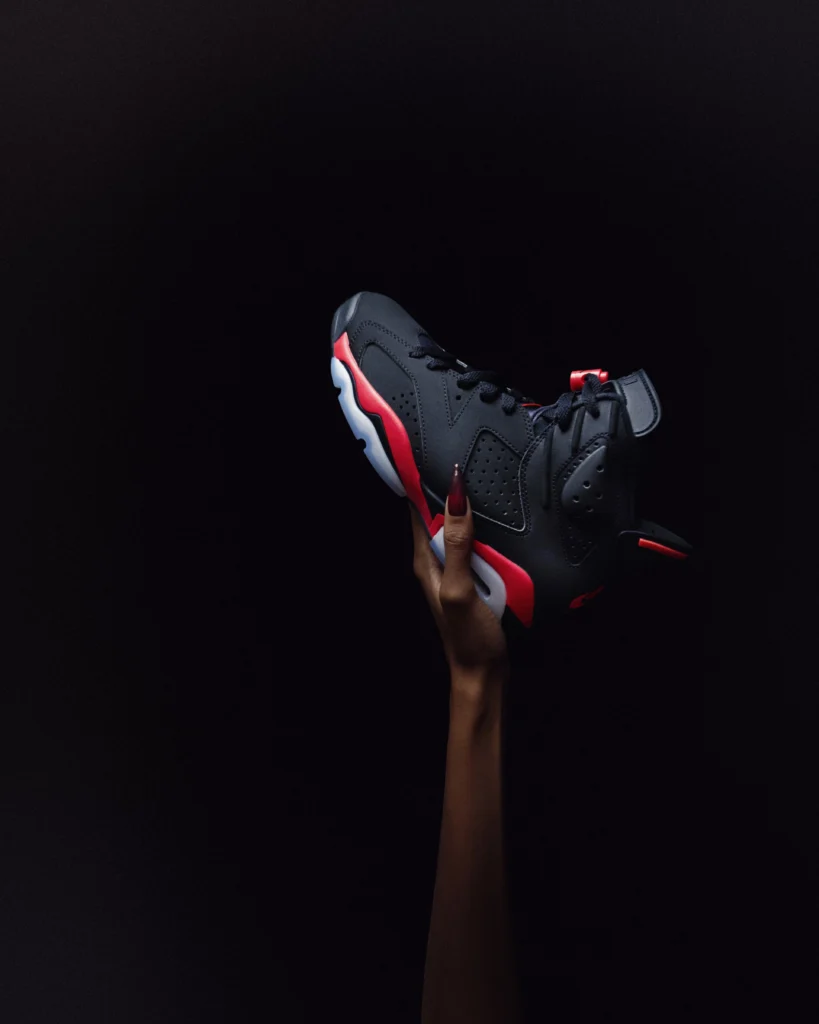
The Air Jordan 6 Infrared “Salesman” brings a 1999 sample reference into a 2026 retail release. Nike’s announcement identifies the extended Infrared placement, revised shape and sample-style details. The 14 February launch is past. For UAE buying, Nike’s local CT8529-001 Black/Light Crimson listing shows AED 549, reduced from AED 999, when checked. Match the actual…
The Air Jordan 6 Infrared “Salesman” brings a 1999 sample reference into a 2026 retail release. Nike’s announcement identifies the extended Infrared placement, revised shape and sample-style details. The 14 February launch is past. For UAE buying, Nike’s local CT8529-001 Black/Light Crimson listing shows AED 549, reduced from AED 999, when checked. Match the actual code and colour when comparing an offer.
Related: check our Best Sneaker Stores in Dubai: Locations and Buying Checks for where to buy authentic releases and avoid fakes.
The useful distinction is design history versus the authenticity of an individual pair. Salesman’s catalogue reference can explain its colour placement and presentation; it does not prove that a reseller’s shoe is genuine. This guide sets out the changes Nike describes, compares the intended edition with other Infrared releases and gives a local price reference. Our preference is the broader red treatment on the black base, rather than a claim that this is the only historically correct AJ6.
The Legend Unveiled: Decoding the Air Jordan 6 Infrared “Salesman” Origin
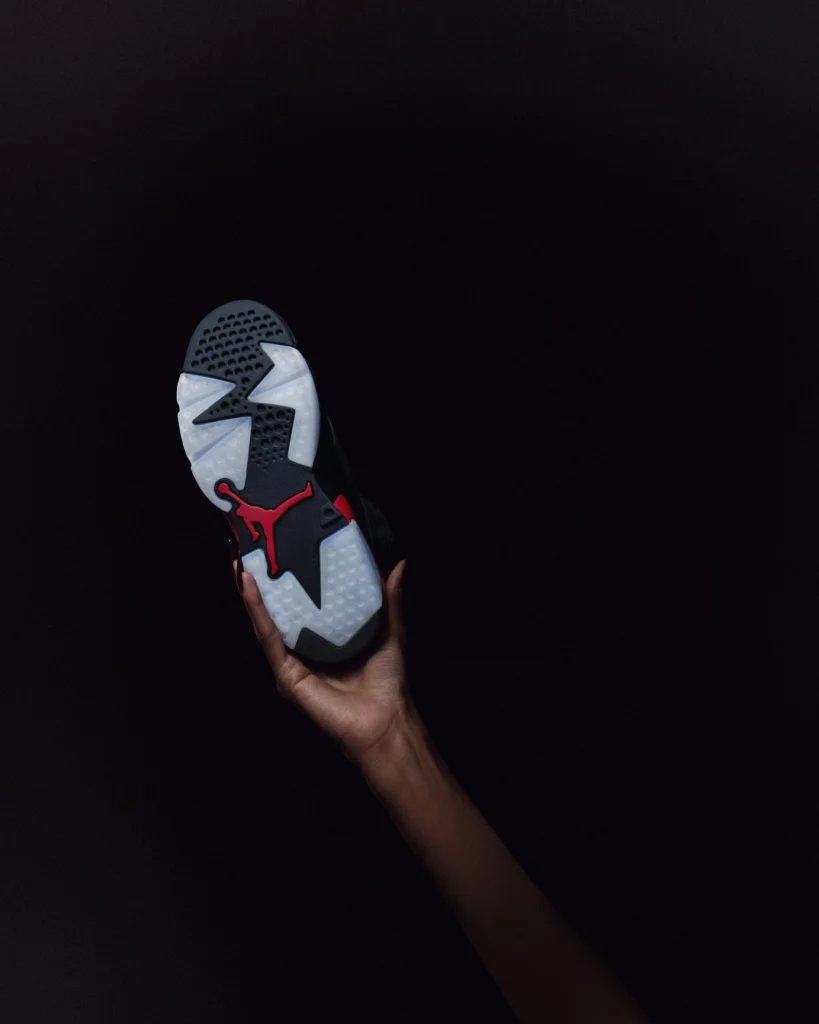
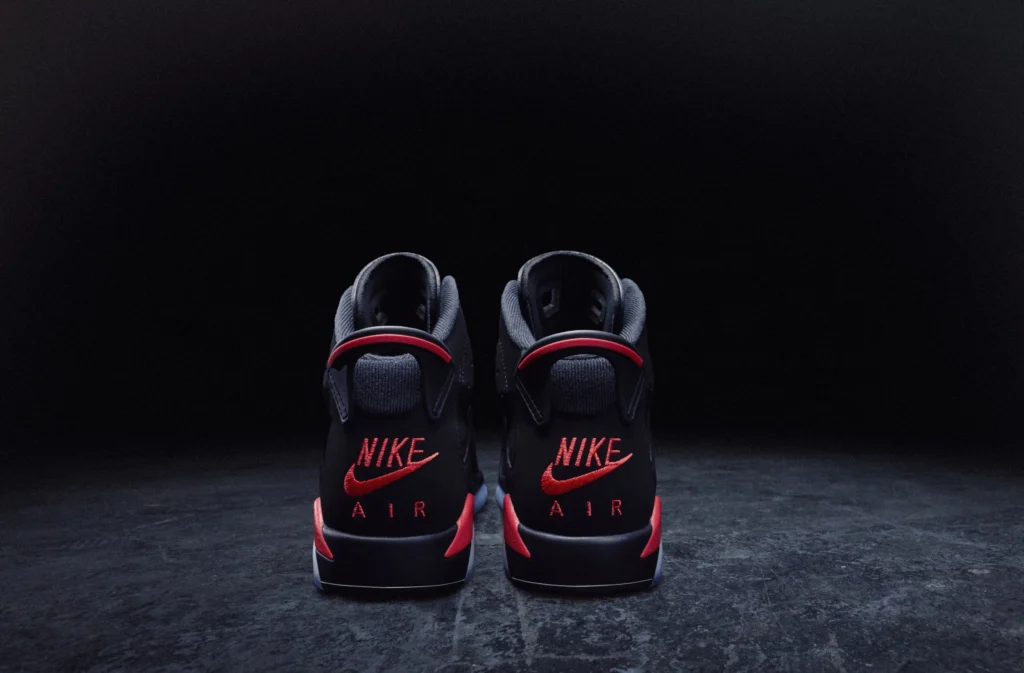
Nike says the release draws on an unreleased sample shown in a 1999 seasonal catalogue. The key visual difference is Infrared spread across more of the midsole. That provides a specific archive story, but a retail recreation is still a modern edition, not an original sample. Match the product code and seller description so a 2026 pair is not presented as something manufactured in 1999.
Unreleased samples hold a unique place in sneaker culture, often representing design intentions, experimental colorways, or production prototypes that never saw a general release. They are the “what ifs” of sneaker history, often fetching exorbitant prices on the secondary market due to their extreme rarity and direct connection to a brand’s creative process. Jordan Brand’s decision to revisit such a deep cut from their archives speaks volumes about their evolving strategy to cater to an increasingly discerning collector base.
From Catalog to Cult Status: The Mythical 1999 Sample’s Journey
The catalogue story is useful because it explains a design choice that differs from familiar Infrared blocking. It should not be expanded into claims that collectors had independently established a universally purer design or that every later retro failed. Nike’s release description gives the reference; the collector’s own preference can still be for another edition. A history you find interesting and a shoe you want to wear are separate reasons to buy.
Why Now? The 35th Anniversary & Jordan Brand’s Vision
The release of the Air Jordan 6 Infrared “Salesman” is strategically timed to coincide with the 35th anniversary of the iconic Air Jordan 6 silhouette. This momentous occasion provides the perfect backdrop for Jordan Brand to unveil a shoe that not only celebrates the model’s legacy but also rectifies historical inaccuracies in previous retro efforts. Jordan Brand’s strategic decision to bring such a historically significant, unreleased sample to market reflects an emerging trend in sneaker releases: a heightened focus on storytelling, historical accuracy, and direct engagement with the most knowledgeable segments of the collector community.
Nike’s announcement describes specific changes, including the bootie construction and a tongue-height adjustment. Those are manufacturer statements about the design. They do not independently establish that the shoe is more authentic than every prior AJ6, more comfortable for every wearer or a perfect reproduction of a game-worn pair. We would assess the visible design and actual fit rather than turn a development story into a universal quality score.
Obsessive Craftsmanship: Recreating MJ’s On-Court Perfection & Salesman Specifics
The Air Jordan 6 Infrared “Salesman” is a sign of obsessive craftsmanship, aiming to recreate not just a shoe, but a moment in time and the very sneakers Michael Jordan wore on court. This release goes beyond superficial retros, diving deep into the minute details that distinguish it. Collectors frequently ask: “What are the specific design changes in the ‘Salesman’ edition?” and “How was the Infrared pigment reverse-engineered?” This section carefully addresses these questions, detailing the exhaustive efforts that set the “Salesman” apart.
Nike says its team compared 1991 and 2000 pairs when developing the Infrared shade. That is a documented brand development account, not an experiment performed by this publication. A current buyer should still compare the actual pair and edition offered. Photographs, lighting and ageing can affect a colour comparison, so a shade judgment alone cannot authenticate the shoe or establish how closely every production pair matches a historical sample.
The Infrared Hue: A Pigment Reverse-Engineered for Perfection
The Infrared shade is part of the design reference, not a test that proves a pair genuine. Nike describes reverse-engineering the colour through its comparison of earlier pairs. Our interest is the stronger midsole treatment against the dark upper. Buyers can prefer that appearance without claiming every previous retro was too dull or that one exact colour seen on a screen supplies an independent authenticity verdict.
The extended midsole colour placement is the visible difference we would focus on first. Compare it with the official imagery for the edition you intend to buy. Do not assume the same appearance means a pair is genuine, or that a different-looking older Infrared is a defective reproduction. Release years can have different design treatments. Keeping those editions separate makes both the design comparison and price comparison more useful.
Mirroring Greatness: The Refined Shape & Internal Bootie
Beyond color, the shape and structure of the Air Jordan 6 Infrared “Salesman” have received significant attention to mirror Michael Jordan’s personal on-court pairs and the distinct look of the 1999 sample. One crucial modification is the modified internal bootie. This internal construction adjustment results in a sleeker, more refined toe box area, mirroring the original’s aggressive stance and providing a snug, secure fit.
Nike states that the tongue was raised by 2 mm to reflect the profile of MJ’s in-game AJ6 pairs. Treat that as the brand’s design specification, not a practical ruler test for a reseller’s pair. Different sizes, measurement methods and material condition can affect an inspection. A small stated adjustment does not on its own establish superior fit, historical perfection or authenticity.
Packaging as Part of the Story: Factory Hangtags & Sample Text
The meticulous recreation extends even to the packaging, treating it as an integral part of the “Salesman” storytelling. Collectors will find unique factory hangtags and internal sample text that further authenticate the shoe’s inspiration. These details are not merely aesthetic; they serve as a direct nod to the shoe’s origins as a catalog sample, adding another layer of historical depth and collectibility. Official product imagery showcases these unique packaging elements, demonstrating Jordan Brand’s holistic approach to recreating the complete sample experience, right down to the unreleased internal markings.
The Ultimate Comparison: “Salesman” vs. Previous Air Jordan 6 Infrared Releases
Compare editions by identifiable features and documented release information rather than rank every retro by historical perfection. The 2026 sample reference, extended colour placement and package details distinguish Salesman. An older Infrared can still be the design a collector prefers. The useful guide is a clear description of what changes, not a claim that one retail edition is the definitive answer for every wearer or collection.
Different Infrared releases can have different heel branding, colour and shape. That is a reason to identify the release year and code before comparing prices or provenance. A older pair’s box, materials and condition also need their own assessment; its appearance should not be judged using only the 2026 reference. Our buying preference is an accurately described edition on clear terms, rather than a seller promising it is the most perfect retro.
Side-by-Side: 1991 Original vs. “Salesman”
The 1991 original Air Jordan 6 Infrared is the benchmark. The “Salesman” aims to replicate its exact essence, particularly focusing on the shape, materials, and most notably, the Infrared colour application.
- Infrared colour: Compare with the exact edition’s official images, accounting for lighting and condition. Colour alone cannot authenticate a pair.
- Midsole treatment: Compare the 2026 colour placement; this is a design distinction, not a standalone authenticity test.
- Shape: Compare the actual edition and size. An older retro is not automatically wrong because its shape differs.
- Tongue: Nike describes a 2 mm design adjustment; it is not a reliable sole criterion for judging a seller’s pair.
Evolution Through Eras: The 2000 & 2014 Retros vs. “Salesman”
The 2000 and 2014 Air Jordan 6 Infrared retros each represented attempts to bring the iconic colorway back, but both faced criticism for certain deviations.
- 2000 edition: Treat it as a separate release with its own reference images and condition history. Do not use a 2026 design change as proof that the earlier edition was inaccurate or fake.
- 2014 edition: Nike’s release history notes different heel branding and Infrared treatment. Identify that edition before comparing it with Salesman; neither a colour preference nor a later design change proves one is universally better.
Release Information, Authenticity Checks & Collector’s Investment Value
For a purchase today, begin with the exact offer, not a launch countdown. Match CT8529-001 and Black/Light Crimson, then check the size, condition and included package. Nike UAE’s displayed AED offer is a local comparison point, while a resale listing needs its own provenance and returns checks. A catalogue-inspired design should not be used as a reason to skip the ordinary transaction details.
Official Release Details: Date, Price, and Retailers
Nike announced a 14 February 2026 release, now past. The US$215 reference is separate from the checked UAE CT8529-001 listing at AED 549, reduced from AED 999. Select the actual local size and confirm the current total. A US retail figure, a converted amount and a current AED sale offer are different pieces of information and should not be presented as one universal price.
No current UAE raffle or branch-level allocation is established here. A retailer’s live sale page or documented stock confirmation is more useful than a general prediction of high demand. Ask for the code and size before travelling. If an overseas seller is cheaper, compare delivery and returns alongside the headline price rather than assume an old release reference establishes access or a better deal.
Assessing the Collector’s Investment: Resale & Long-Term Value
For collecting, the sample-inspired hangtag, collar text and package can matter because they support the design story. Ask what actually accompanies the pair, especially on resale. Their presence does not independently prove authenticity or establish a future premium. If the reason to buy is the expanded Infrared midsole treatment, assess that design first; if it is the complete edition, check the contents and condition rather than infer completeness from a name.
No significant resale premium or strong long-term return is established in this guide. Compare completed transactions for the same edition, size and condition if resale matters. A catalogue story and a small design adjustment do not prove an investment outcome. Our recommendation is to decide what the pair is worth to you for wearing or collecting, then assess the seller’s actual offer without treating an asking price as evidence of a completed sale.
Authenticity Checks: Ensuring Your “Salesman” is the Real Deal
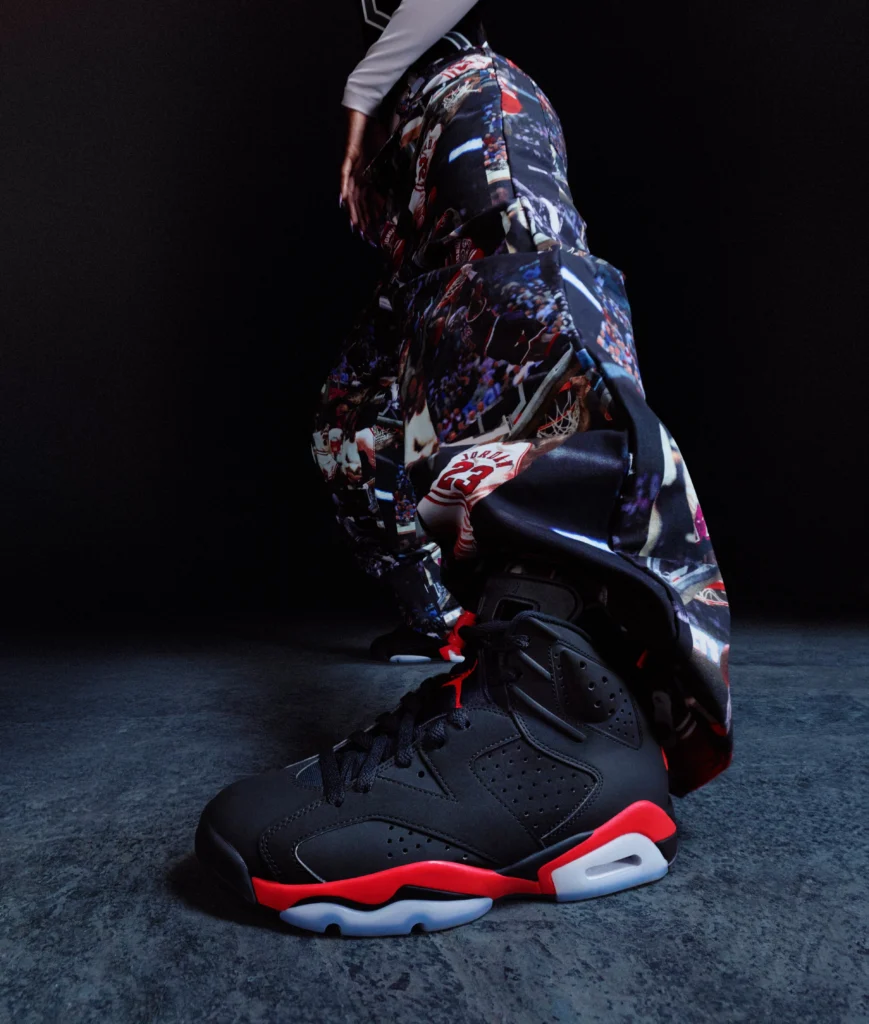
Visible design details are useful identification checks, not a complete authentication method. The Infrared colour, shape, tongue and package can all be copied or affected by condition. Ask for actual item photographs, labels, provenance where available and buyer protection. If using an authentication service, understand what it checks and what remedy the seller provides if the shoes are misdescribed. None of the individual features below should be treated as conclusive on its own:
- Infrared colour: Compare with the exact edition’s official images, accounting for lighting and condition. Colour alone cannot authenticate a pair.
- Midsole Application: Examine the “expansive application” of the Infrared on the midsole for consistency and saturation, matching official product imagery.
- Shape: Compare the actual edition and size. An older retro is not automatically wrong because its shape differs.
- Tongue: Nike describes a 2 mm design adjustment; it is not a reliable sole criterion for judging a seller’s pair.
- Packaging Details: Authentic pairs will feature the unique factory hangtags and internal sample text, consistent with official product images. Scrutinize the box labels, shoe trees, and overall packaging quality.
Keep the invoice and product description, and compare the seller’s authentication and returns terms before paying. A brand store gives a more traceable purchase route than an undocumented private offer, but an appearance-based checklist cannot certify a pair. For a current retail comparison, use the exact Nike UAE code and colour; for a resale offer, add the actual condition and included package to that comparison.
Conclusion
Our verdict: the extended red midsole against the black upper gives Salesman a clear reason to interest an AJ6 collector. Nike’s sample reference and stated shape changes make a useful design story, but they do not establish better comfort or a future investment return. Choose it because that particular treatment appeals, match CT8529-001 and assess the actual fit, condition and seller terms. A strong archive narrative is not a substitute for those checks.
For another Jordan shape, compare our 2026 Valentine’s Day AJ4 guide. The different silhouettes and colour treatments answer a style question, not a ranking of authenticity or investment value. Pick the design and fit you want, then check the exact edition and current offer. The February launch dates are historical rather than instructions to prepare for a new drop.
Disclaimer: This article provides informational content for sneaker enthusiasts and collectors. Market predictions and resale values are speculative and not financial advice. Always verify release details with official Nike/Jordan Brand sources.