Tesla’s SpaceX-powered Roadster demo has arrived. Discover the details on the ‘flying’ thruster system, the three new variants, and the 2028 production timeline.
Key Takeaways
- The Tesla Roadster demonstrated its new thruster system on October 15, 2026, showcasing aerial maneuvers and upside-down driving.
- Experts distinguish between real flight and the car’s hovering capabilities, which may use cold gas thrusters for enhanced performance.
- Tesla offers three Roadster variants: Performance, Thrust, and Rocket, each with different features and reservation deposits.
- While Tesla claims the Roadster can accelerate from 0 to 97 km/h in less than one second, this has yet to be independently verified.
- Despite the hype, whether the Tesla Roadster qualifies as a real flying car remains debatable, focusing instead on its advanced acceleration and handling capabilities.
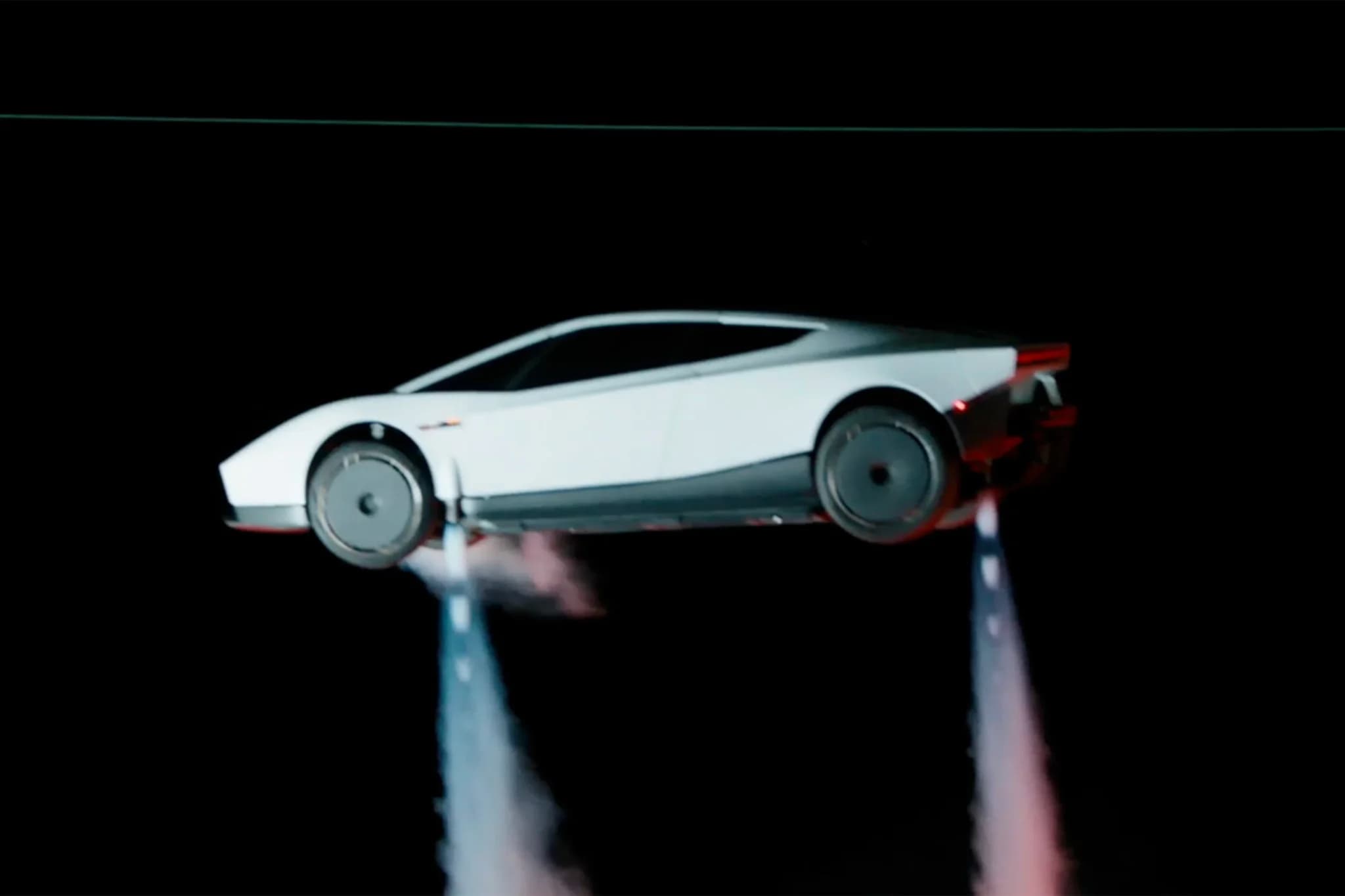
A SpaceX-designed thruster system was demonstrated on 15 October 2026, showing the Tesla Roadster performing aerial manoeuvres and driving upside down on a ramp. While the demonstration showcased the car’s ability to rotate in the air and use built-in thrusters to assist landing, it remains unclear if the technology will be road-legal or if the car will truly “fly” in a traditional sense. Instead, the system appears to function as a way to achieve extreme acceleration and controlled movement through cold gas thrusters.
The SpaceX Demo: Flying or Just Hovering?
The demonstration took place at a SpaceX test site in Texas, providing a glimpse into the experimental technology Tesla is integrating into its flagship sports car. During the event, the two-seater prototype performed several high-stakes manoeuvres, including driving upside down on a ramp using suction and rotating in mid-air before landing via the assistance of its thrusters.
Technical experts have noted a distinction between true flight and the “hovering” capabilities shown. Some industry analysts suggest the system may rely on a composite overwrapped pressure vessel (COPV) that releases pressurized gas—potentially nitrogen—through approximately 10 cold gas thrusters positioned around the vehicle. This setup could allow the car to move faster or even pin itself more firmly to the road, rather than providing sustained, controlled flight like an aircraft.
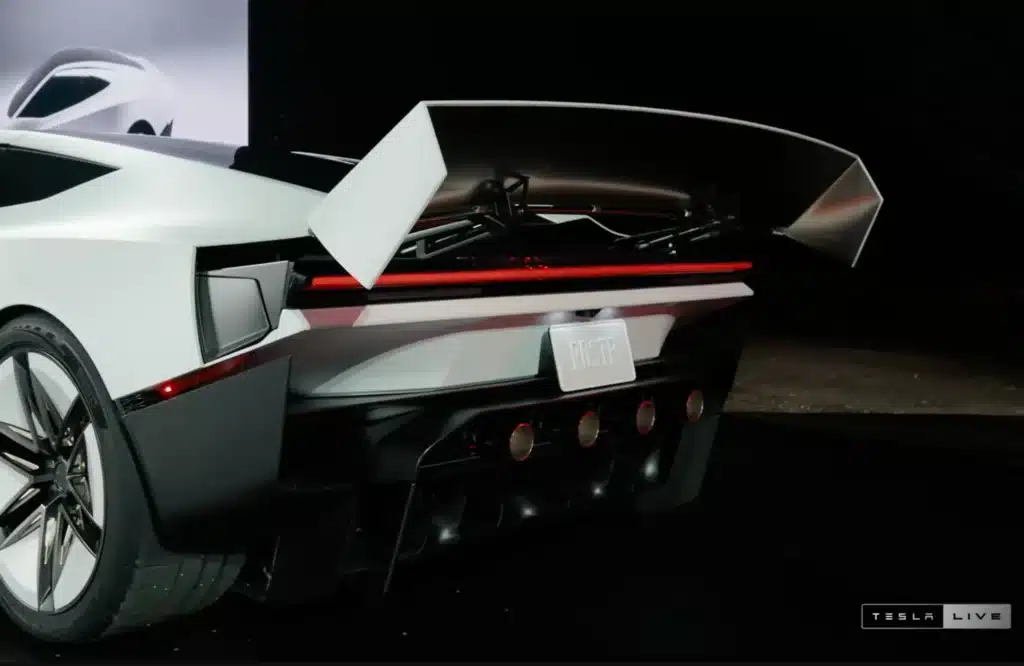
Roadster Variants: Performance, Thrust, and Rocket
Tesla has structured the new Roadster into three distinct tiers, each catering to different levels of performance and exclusivity. While final pricing for all models has not been officially confirmed, the reservation structure provides a clear indication of the intended hierarchy.
| Variant | Key Feature | Reservation Deposit |
|---|---|---|
| Performance | Standard high-performance electric powertrain | $50,000 |
| Thrust | Includes SpaceX-developed acceleration thrusters | $250,000 |
| Rocket | Full flight system; available by invitation only | Not disclosed |
The “Rocket” variant is described as a single-seater equipped with a full flight system, though specific details regarding its capabilities remain limited. It is important to note that the $200,000 starting price quoted when the prototype was first revealed in 2017 should not be treated as the confirmed price for these new, more advanced versions.
Performance Claims vs. Reality
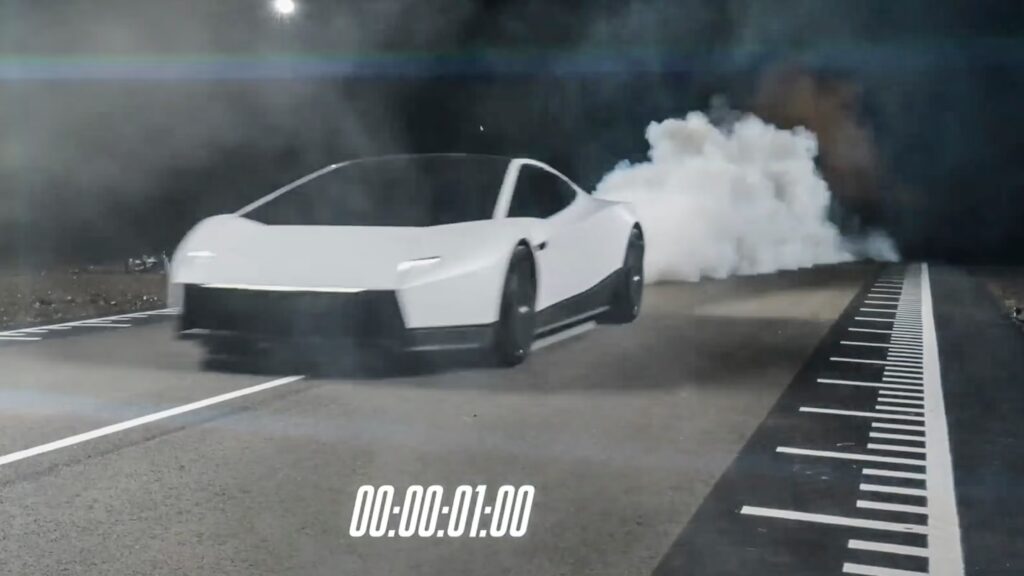
Tesla is making some of the most aggressive performance claims in automotive history, targeting a 0–97 km/h (0–60 mph) acceleration time of less than one second and a top speed exceeding 370 km/h. The company also claims a potential range of approximately 1,000 km on a single charge.
However, these figures should be viewed with caution. The sub-one-second acceleration is currently a claimed target rather than an independently verified result from a production-ready vehicle. Furthermore, Tesla expects production to begin in 2028, meaning enthusiasts will have to wait several more years to see if these specifications hold up under real-world testing. The long history of delays—with the project originally targeting a 2020 release—continues to cast a shadow over the official timeline.
The Verdict: Is it a Real Flying Car?
Whether the Tesla Roadster is a “flying car” depends entirely on your definition. If you are looking for a vehicle that can cruise through the sky like a plane, the current evidence suggests this is unlikely. Analysts have pointed out that the energy required to maintain hovering is enormous compared to traditional driving, and the safety and liability issues of a flying car on public roads are significant.
The most realistic interpretation of the SpaceX technology is a hypercar that uses gas thrusters to manipulate physics—either by providing massive bursts of acceleration or by using suction and thrust to enhance grip and stability. For now, the Roadster remains a high-concept experiment in merging aerospace technology with automotive performance, with its true utility on public roads still unproven.