The UAE retained tenth place in Brand Finance’s Global Soft Power Index 2026; its score fell one point to 59.4 out of 100. That is the distinction I would put ahead of any celebration of an “unprecedented rise”. The publisher’s 20 January release describes resilience in a year of wider declines. It is a result about international perceptions, not proof of the world’s tenth-largest economy or a guaranteed investment opportunity.
My view is that this is worth understanding without inflating it. A country’s reputation matters to the people deciding whether to visit, study, work or do business there. But a survey rank cannot answer all those decisions for them. This guide separates the result, the government’s response and the conclusions a reader can reasonably draw.
For a complete practical guide to life in the Emirates, explore our full Living in the UAE hub.
Understanding the UAE’s Soft Power Index Ranking and Methodology
I would read three things together: the edition year, the position and the score. A rank compares countries with each other; the score records the index’s assessment on its scale. Staying tenth while losing a point is not the same as improving both. It is a useful example of why the headline alone leaves out part of the story.
What is Soft Power? Defining a Nation’s Influence Beyond Coercion
Soft power means influence through attraction and persuasion rather than coercion. In this index, it is assessed through perceptions of countries. I would distinguish that from a direct count of aircraft, aid shipments or economic output: those are different types of evidence, even where they help shape a reputation.
A cultural experience, an education offer or a business relationship can affect what someone thinks of a country. My distinction is between being known, being liked and influencing a decision. They can overlap without being identical. A famous country is not automatically admired on every issue, just as an admired destination does not automatically provide the right job or business conditions for one person.
Decoding the Soft Power Index: Metrics Behind the UAE’s Top 10 Rank
Brand Finance’s 2026 launch information describes more than 150,000 respondents across over 100 markets, assessing all 193 UN member states. The published framework includes familiarity, reputation and influence alongside pillars covering business, international relations, education, culture, governance, media, sustainability, and people and values. I’d use the publisher’s methodology, not assume every respondent personally experienced every country.
The publisher lists overall Influence at eighth, International Relations at ninth, and Business & Trade at tenth. These are different measures. The separate claim of eighth for influence in diplomatic circles appears in Aletihad’s report of Sheikh Mohammed bin Rashid’s statement. I would not silently swap an overall indicator for a specific diplomatic attribute just because the positions match.

Read the number, then ask what it measures
| Headline | Useful reading | What it does not establish |
|---|---|---|
| Tenth overall; 59.4/100 | Retained rank with a one-point score decline. | A rise in both rank and score. |
| Second for generosity | A perception-based attribute. | Second-largest audited aid total or proven programme outcomes. |
| Third for growth opportunities | A reported perception headline in the official response. | Third-fastest measured GDP growth or returns for a particular investment. |
| Influence and diplomatic influence | Check the exact indicator named by the source. | That similarly numbered indicators are interchangeable. |
My worked check: rank is not score
Suppose three fictional countries score 70, 65 and 60 one year, then 68, 64 and 59 the next. The order is unchanged, but all three scores fell. That is an illustration of how ranking works, not additional survey data. It explains why I would never describe a retained position alone as an unprecedented improvement.
Giving and growth: read the claims correctly
The giving and growth-opportunity headlines need the same care. I’d treat them as measures of perceived attributes, then ask a second question: what evidence would establish the practical claim I care about? Aid effectiveness, a business’s prospects and diplomatic outcomes need more than the same ranking repeated in three forms.
Generosity as a Cornerstone of Soft Power: UAE’s Global Impact
Brand Finance reports the UAE second for generosity. That is a strong perception result. It does not mean the survey counted the world’s aid expenditure and found the UAE second by total cash, aid as a share of national income or outcomes achieved. I would specify which of those questions I meant before making a claim about humanitarian impact.
If I were assessing a particular aid programme, I would look for its reporting period, implementing organisation, delivery records and outcome evidence. Announced funding, money disbursed and assistance received are not interchangeable. The perception rank is useful context; I would not use it to skip those checks or describe humanitarian results as measured here when they are not.
Economic Growth Opportunities: Fueling Trust and Investment
The third-place growth-opportunities claim is reported in Sheikh Mohammed’s January statement. I would label it as that perception-based result, not as the third-fastest actual GDP growth rate. A promising national image is not a forecast for a specific company, salary or investment.
For someone considering a business or move, my priority would be the actual sector: licensing, total costs, customer demand, employment terms and the rules that apply to the activity. A country-level reputation can make a destination worth investigating. It cannot replace that work, and I would not turn this article into a return-on-investment promise.

Diplomacy: a perception signal is not an outcome record
I would assess diplomacy through documented actions as well as image. The index provides a comparative perception signal; a negotiated agreement, mediation outcome or international vote supplies a different record. Combining them can make an analysis stronger, but declaring that one proves the other does not.
Forging Alliances: UAE’s Role in Global Diplomacy
The useful question is not whether every diplomatic action improved the ranking. It is what action occurred, when it occurred and what result is documented. Without that evidence, I would not attribute a precise movement in the survey to a particular policy or claim it represents unanimous international approval.
The earlier article cited UN peacekeeping and mediation in general terms without identifying a mission, date or outcome. I would not use those unspecific examples as proof of the 2026 result. For any proposed case study, name the event and trace the record first, then distinguish what happened from an interpretation of its reputational effect.
Building International Confidence: Respect for the UAE’s Development Model
My reading of the result is that reputation is not a single vote on every part of national policy. Someone can value business access or cultural experiences while holding a different view on another issue. An aggregate position hides that variation, so I would look at the relevant attribute and audience before generalising.
Brand Finance’s 2026 executive summary gives a useful comparison: Japan rose to third even as its score fell 0.9 points, while the UAE retained tenth after a one-point fall. I would read both as reminders that relative position and absolute score can move differently—not as evidence that every underlying outcome improved.

Key Figures and Events Driving UAE’s Soft Power Narrative
There are three distinct voices in this story: Brand Finance publishes the survey, UAE leaders interpret the result, and we assess what it means for readers. I would keep those roles visible rather than blend a government response into independent methodology or present this magazine as the producer of the data.
The attributed official response
Aletihad’s 20 January report attributes a statement on X to Sheikh Mohammed bin Rashid Al Maktoum. He linked the result to the country’s development model and international confidence under Sheikh Mohamed bin Zayed’s leadership. That is an attributed official interpretation, not a causal finding from the survey.
I would retain the response as part of the news, but not repeat it as independent validation throughout the article. One source can establish what a leader said; it cannot, on its own, establish that every claimed benefit occurred or that every overseas audience agreed.
Global Stage: The Soft Power Index at the World Economic Forum in Davos
The Global Soft Power Summit was held in Davos on 20 January 2026, alongside the World Economic Forum’s Annual Meeting. Brand Finance is the index publisher. I would not call it a WEF-produced ranking simply because its launch took place in the same city during that gathering.
WAM’s account of the Davos discussion identifies Justin Trudeau, Sarah Al Amiri and David Haigh among the speakers. It reports discussion of trust, education and economic resilience. That is useful event context; the prestige of a venue does not independently validate every interpretation of a survey.

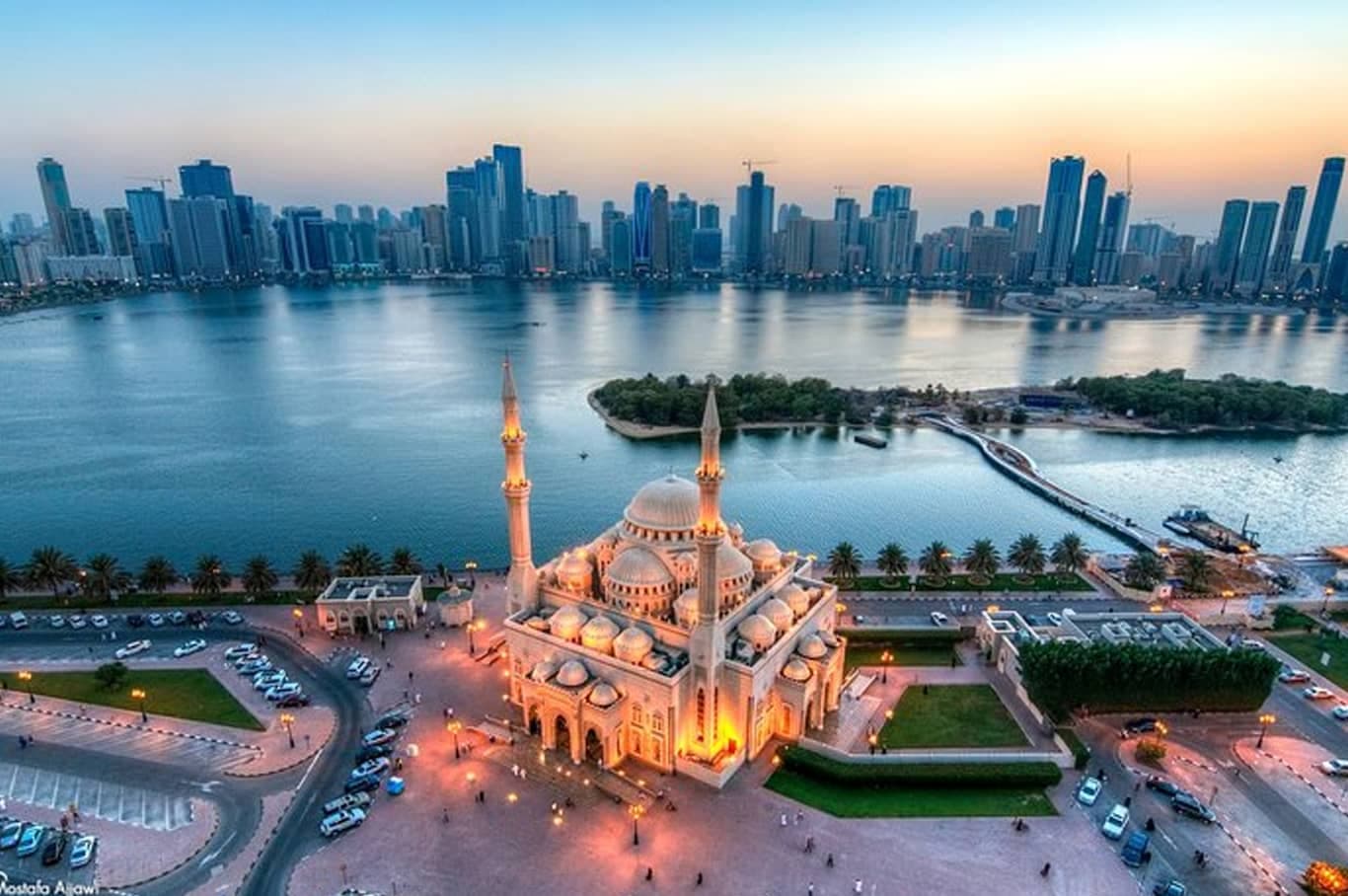
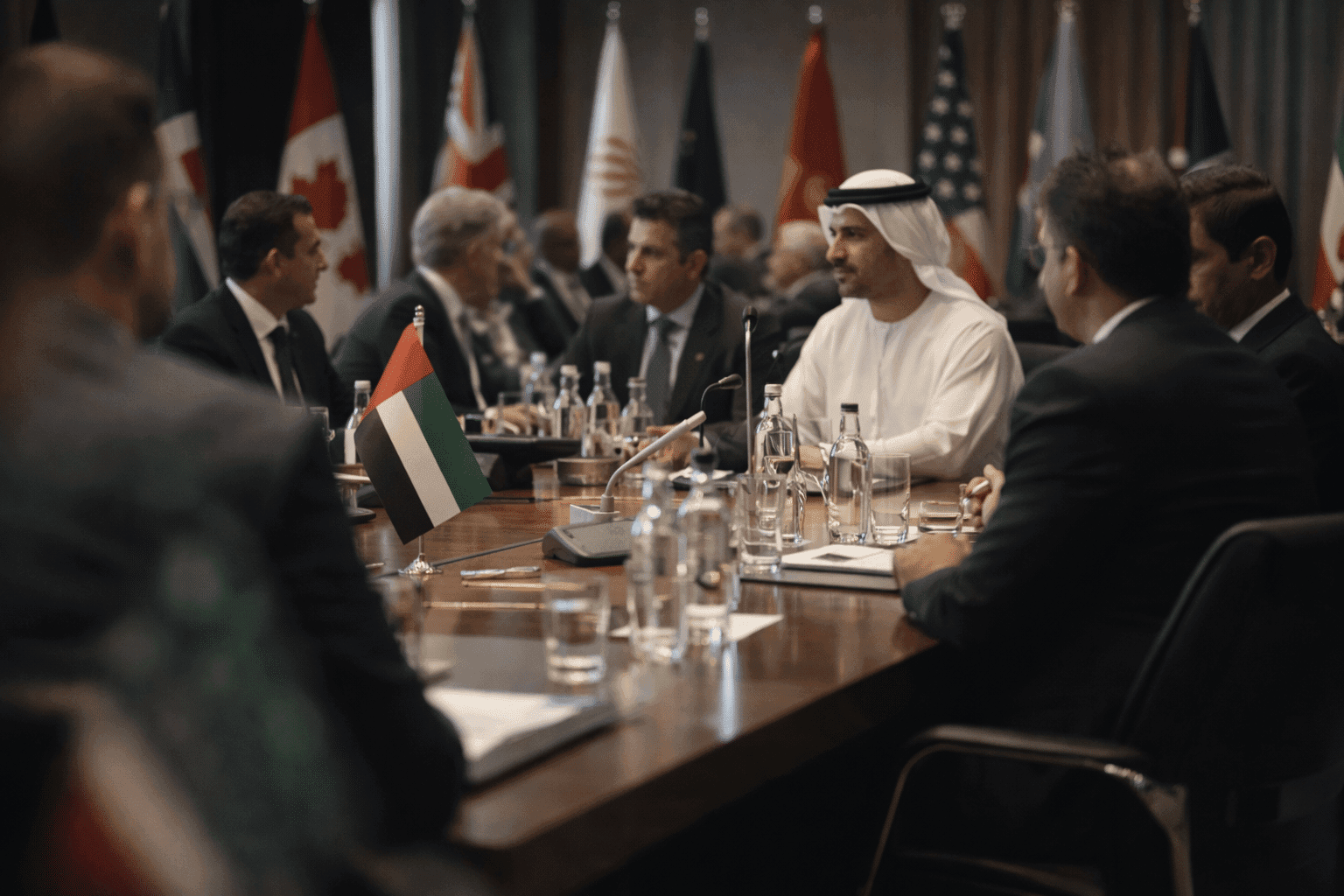
Image scope: the photographs and conceptual city visuals on this page are illustrative material, not evidence of the survey results. The date, place and participants of the people images have not been independently verified for this update.
Future Outlook: Sustaining and Enhancing UAE’s Global Soft Power
I would not project a January ranking through every event later in the year. The 2026 edition is a dated assessment, not a live gauge of October opinion. To judge subsequent change, look for fresh evidence and the next comparable survey rather than assume the same position must persist.
Strategic Initiatives for Continued Influence and Innovation
The areas I would track are concrete: what visitors experience, what students and workers encounter, what businesses can actually do, and how the country’s international actions are perceived. Announced plans and delivered services need separate entries. A campaign can raise awareness without establishing how an experience turned out.
For a sustainability claim, I would ask for the project, reporting period and measured result. For a trade claim, I would ask for the agreement or data. Those checks are more informative than treating “innovation” and “sustainability” as automatic explanations for an index position. The proposed evaluation is ours; this article does not claim to have audited those programmes.
The Road Ahead: Navigating Global Challenges and Opportunities
My expectation is not that reputation improves in a straight line. Survey audiences can change their view, and country positions can shift when other countries change too. The sensible test is a like-for-like comparison of scores, ranks, attributes and research methods, with the dates visible.
I would also resist reducing a complex public reputation to one promotional message. Specific experiences, credible records and the gap between promises and delivery all deserve scrutiny. If the next edition changes, investigate those signals instead of announcing either inevitable success or permanent decline from a single position.

My verdict
My verdict: tenth place is a meaningful reputation result, not a licence to overclaim. The UAE held its position in 2026 despite a lower score. I would use the result to understand perceptions and choose better questions, not claim it proves aid effectiveness, actual GDP growth, universal approval or a safe investment.
For residents and readers considering a move, study or business decision, the practical next step is the evidence relevant to that choice. A country ranking can put the UAE on a shortlist. The actual offer, rules and experience determine whether it is right for the person making the decision.