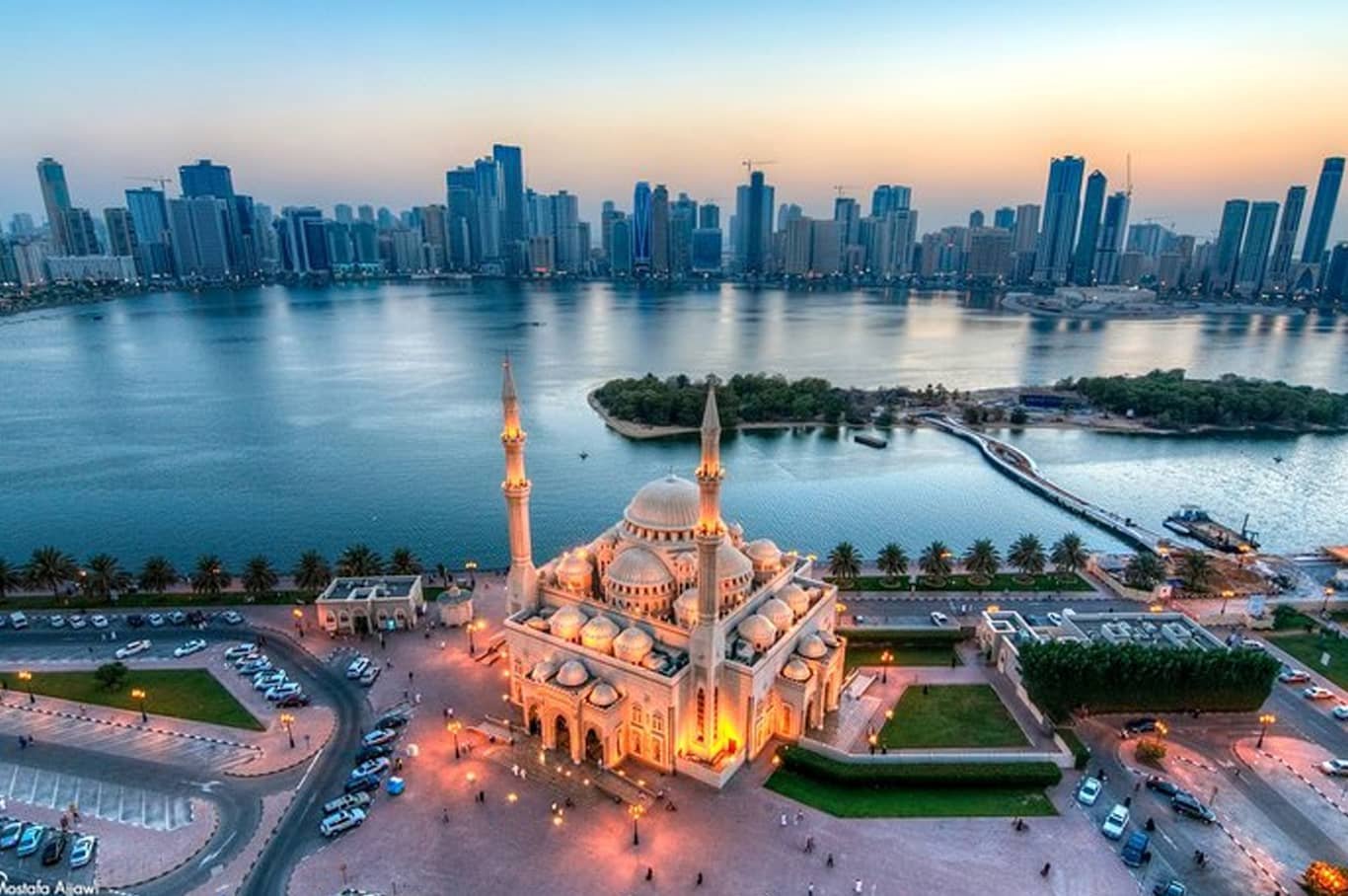
Ajman is the UAE’s smallest emirate, but it punches above its weight for residents who want to escape Dubai without travelling far. It sits between Sharjah and Umm Al Quwain, takes about 40 minutes to reach from central Dubai, and has the feel of a city that hasn’t been completely polished for Instagram. That’s not a knock — it’s part of the appeal. The Corniche is quieter, the fish market is genuinely local, and the cost of living is low enough that a lot of people who work in Dubai actually base themselves here.
This isn’t a place most tourists seek out, and that’s fine. Ajman works best as a day trip, a weekend alternative to the Dubai crowds, or a base if you’re moving to the UAE and need to stretch your budget. Here’s what’s actually worth your time.
Things to Do in Ajman
Ajman Corniche
The Corniche is Ajman’s best free attraction and probably the most pleasant waterfront in the Northern Emirates. It’s well-maintained, walkable, and — crucially — not overwhelmingly crowded. You can walk or cycle along the seafront, sit out in the cooler months, and watch dhows moving across the creek. It lacks the high-rise backdrop of Dubai Marina, and that’s the point. Early mornings and evenings are the sweet spot, particularly from October through March.

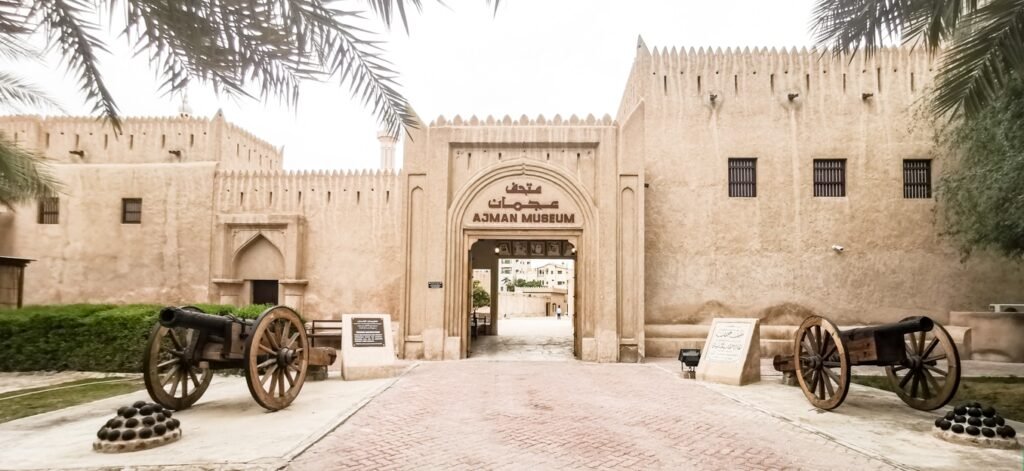
Ajman Museum (Ajman Fort)
Located in the heart of the old city, Ajman Museum is housed inside a restored 18th-century fort that served as the ruling family’s residence until the 1970s. It’s small but genuinely well put together — better than you’d expect for the entry price. The exhibits cover pearl diving, traditional weapons, household artefacts, and the history of the emirate. Budget about an hour. Entry fees are modest; check current prices ahead of your visit as they change periodically.
Gold Souq & Old Market Area
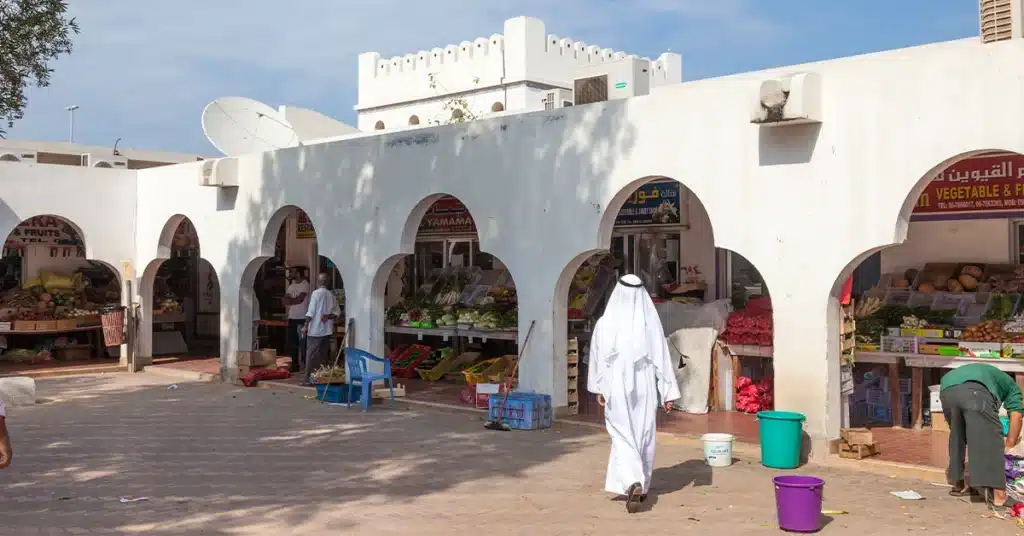
Ajman’s gold souq is more low-key than Dubai’s but worth a browse if you’re in the area. The surrounding market area has a traditional feel that’s harder to find in more developed emirates. It’s a working market, not a tourist recreation — you’ll find textiles, spices, and everyday goods alongside jewellery.
Fish Market (Ajman Fish Souq)
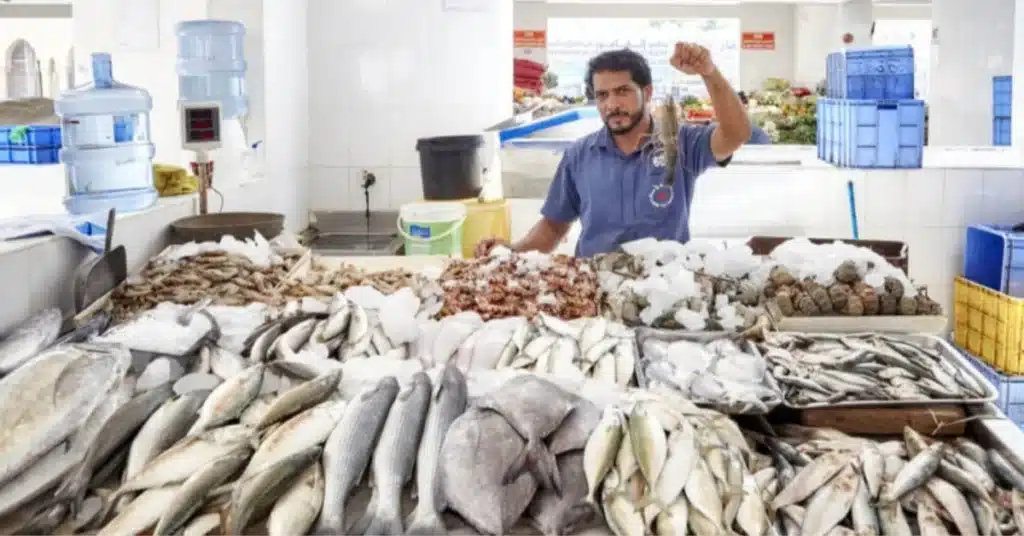
If you’ve never been to a proper fish market in the UAE, Ajman’s is a good one to start with. It’s an early morning activity — fishermen bring in the catch, locals buy direct, and the pace is fast. Go before 9 am. It’s a sensory experience: not for the faint-hearted, but authentic in a way that’s increasingly hard to find. The adjacent vegetable and meat sections round it out.
Al Zorah Nature Reserve
Al Zorah sits on the northern edge of Ajman and is one of the emirate’s more surprising assets. The mangrove-lined waterways and lagoon area attract flamingos (best sightings in the cooler months), herons, and other wading birds. You can kayak through the mangroves — a few operators run tours from the Al Zorah waterfront — or simply walk the boardwalk. The development around it (the Al Zorah golf course and hotel zone) means the area is a bit mixed in character, but the natural section is worth the detour.

Ajman City Centre
For a practical half-day, Ajman City Centre mall covers the shopping, cinema, and food-court bases. It’s smaller than Dubai’s megamalls but has the major chains and a decent hypermarket. Useful if you’re in the area and need a few hours of air-conditioned time.

Masfout
Ajman isn’t just the coastal strip — it also has a landlocked exclave called Masfout, tucked into the Hajar Mountains roughly 90 minutes from Ajman City. It’s a completely different side of the emirate: cooler air, rugged wadis, and hiking trails, with none of the coastal crowds. Worth the detour if you’ve got a car and a free afternoon, or want to see a side of Ajman most visitors never bother with.
Where to Eat in Ajman
Ajman’s dining scene is dominated by South Asian and Middle Eastern options, mostly in the budget-to-mid range. You won’t find the same density of restaurants as in Dubai, but what’s there tends to be good value.
What to look for:
- Seafood restaurants along the Corniche and near the fish market: freshly caught fish, grilled or fried, served with rice. Prices are generally reasonable compared to Dubai. Ask what’s in season.
- Indian and Pakistani restaurants scattered across the city centre: reliable, affordable, and plentiful. Biryani, curries, and bread — the kind of place where a full meal costs a fraction of what it would in JBR.
- Lebanese and Arabic grills: standard UAE fare — mezze, grilled meats, fresh juices. Solid for a quick lunch or dinner.
There are no alcohol-serving restaurants in Ajman (it’s a dry emirate — more on this below). If that shapes where you eat, plan accordingly.
| Food Type | What to Expect | Price Range |
|---|---|---|
| Seafood (Corniche area) | Fresh, grilled or fried fish, rice dishes | Budget–Mid |
| Indian/Pakistani | Biryani, curries, bread | Budget |
| Lebanese/Arabic | Mezze, grills, fresh juice | Budget–Mid |
| Mall food courts | Chains, fast food, café options | Mid |
Nightlife & Social Scene
Be straightforward about this: Ajman is a dry emirate. There is no alcohol sold or served anywhere in Ajman — not in restaurants, not in hotels. If you’re used to Dubai’s bar scene, you won’t find an equivalent here.
What you will find in the evenings: families out on the Corniche, shisha cafés (common and popular), and the general low-key social rhythm of a less commercialised emirate. It’s quiet by comparison to Dubai, and for some people that’s precisely the draw. Evening walks along the Corniche, coffee shops, and a more traditional neighbourhood feel are what’s on offer.
Getting There from Dubai
By car: The most practical option. Ajman is roughly 40–45 minutes from central Dubai, depending on traffic. Take the Emirates Road (E311) or Sheikh Mohammed Bin Zayed Road, then follow the signs into Ajman. Parking is generally easy to find and either free or cheap.
By public transport: There is no direct metro link. You can take the Dubai Metro to Union Square and then get a bus to Ajman (bus route 1 operates this corridor), but the journey is significantly longer and requires some planning. Taxis and ride-hailing apps from Dubai are a more comfortable option for a day trip.
From Sharjah: Ajman borders Sharjah, so from Sharjah city it’s a very short drive — under 15 minutes in normal traffic.

Where to Stay in Ajman
Ajman’s accommodation market is one of its clearest selling points: you get considerably more for your money than in Dubai or Abu Dhabi.
- Ajman Saray (Marriott): The standout beach resort in Ajman — private beach, pools, proper hotel infrastructure. Considerably cheaper than equivalent Dubai beach resorts.
- Ajman Hotel: An older property but well-located and consistently reviewed. Good base for exploring the city.
- Fairmont Ajman: Beachfront, reliable brand standards, popular with families.
- Budget options: The city has a range of mid-range and budget hotels around the city centre and Corniche. Good for short stays if you’re primarily using Ajman as a base.
Note that because Ajman is dry, even hotel bars don’t exist here. Guests who want alcohol will need to travel to Sharjah (which is also dry) or Dubai.
Practical Information
| Alcohol | Not available anywhere in Ajman (dry emirate) |
| Dress code | Conservative in public areas — cover shoulders and knees outside beach/hotel zones |
| Currency | UAE Dirham (AED) |
| Language | Arabic (official); English widely understood |
| Distance from Dubai | ~40–45 mins by car |
| Distance from Sharjah | ~10–15 mins by car |
| Nearest airport | Sharjah International Airport (20 mins); Dubai International (40 mins) |
| Best time to visit | October–April (cooler months; outdoor activities comfortable) |
Frequently Asked Questions: Ajman
Yes, if you’re after a quieter day with a genuine local feel. The Corniche, museum, and fish market are the core draws. Don’t expect Dubai-level infrastructure or dining options — that’s not what Ajman is selling.
No. Ajman is a dry emirate, meaning alcohol is not sold or served anywhere — including hotels and restaurants. The nearest options are across the border in Dubai.
Ajman follows the UAE’s overall safety record — it’s safe for families, solo travellers, and tourists. Standard UAE common sense applies.
Approximately 40–45 minutes by car in normal traffic. There’s no metro link, so driving or using a taxi/ride-hailing app is the practical way to get there.