Key Takeaways
- Ras Al Khor Wildlife Sanctuary offers free entry and is famous for its flamingo population, attracting various bird species.
- The sanctuary has designated hides with ideal viewpoints for birdwatching, especially at the Flamingo Hide.
- Visit in winter for the best experience, as more migratory birds are present, with optimal viewing times at dawn and dusk.
- Check seasonal hours before visiting, as access can change, and expect occasional closures for maintenance.
- You can easily reach the sanctuary by car or taxi, and it’s near other attractions for a combined visit.
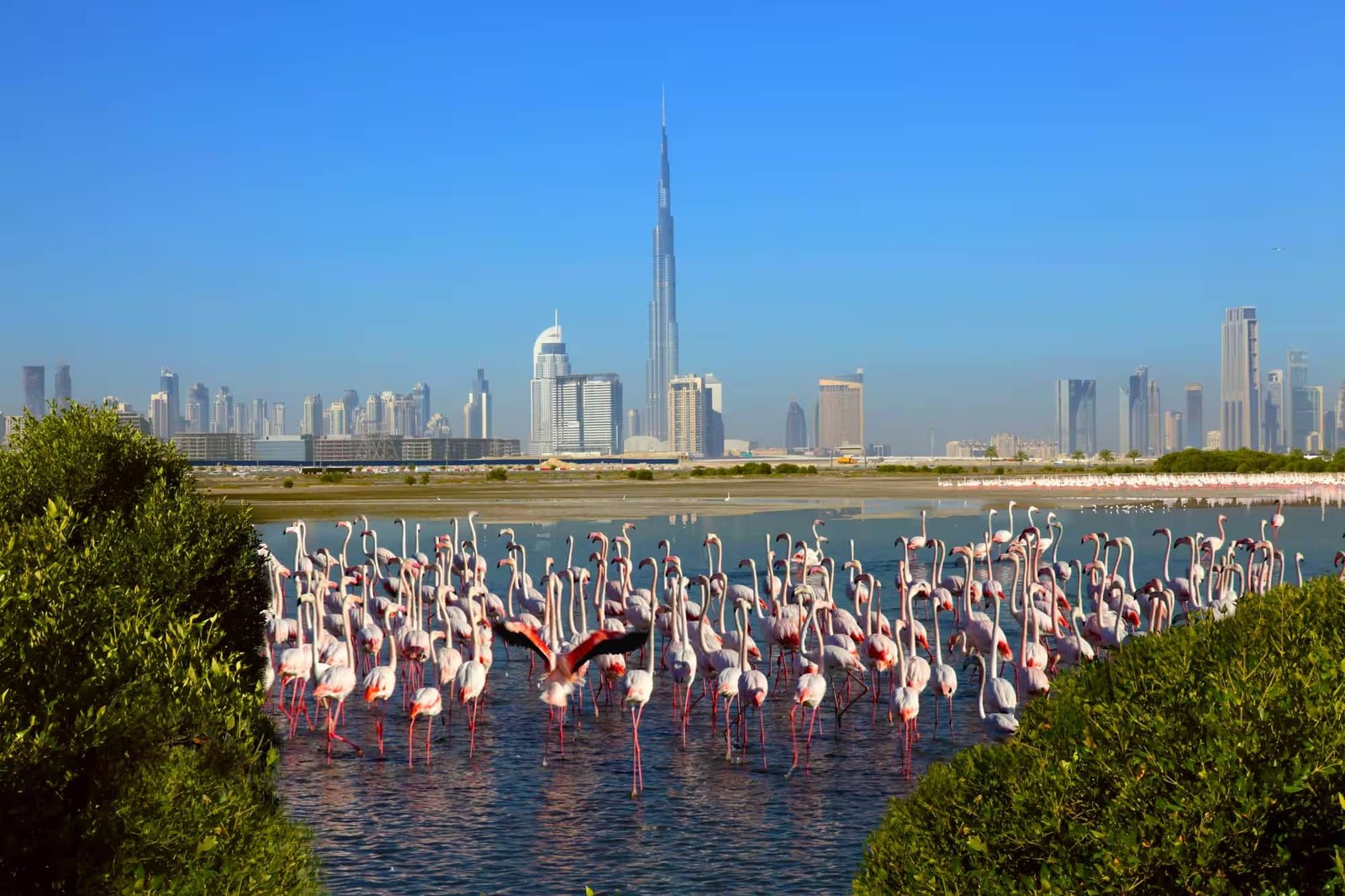
It still catches people off guard: a genuine wildlife sanctuary, thousands of wild flamingos included, sitting quietly in the middle of Dubai, wedged between the Ras Al Khor industrial zone and the tail end of Dubai Creek. No entry fee, no booking system, no fuss, just bring binoculars and a bit of patience.
What Is Ras Al Khor Wildlife Sanctuary?
Ras Al Khor Wildlife Sanctuary is a protected wetland reserve at the mouth of Dubai Creek, made up of mudflats, mangroves, salt flats, and lagoons that support a genuinely impressive range of birdlife. It’s best known for its resident and migratory greater flamingo population, but the sanctuary also draws herons, egrets, ospreys, cormorants, and dozens of other species throughout the year, particularly during migration season. It’s a designated Ramsar wetland site, which means it’s recognised internationally for its ecological importance: a rare bit of protected nature sitting inside one of the busiest cities in the Gulf.
The Hides and Viewing Points
The sanctuary is split into several zones, each with its own public hide (bird-watching structure) offering a different vantage point over the wetlands. The most popular and reliably good for flamingo sightings is the Flamingo Hide, which sits close enough to the lagoon to get a proper look, and decent photos, without disturbing the birds. Other hides across the reserve cater more to serious birdwatchers tracking a wider variety of species across the mangroves and mudflats.
Each hide has viewing windows and some information panels on the species you’re likely to see. They’re unmanned and free to walk into, though it’s worth moving quietly and keeping noise down once inside, since sudden movement or loud chatter is the fastest way to send a flock of flamingos elsewhere.
Best Time of Day to See Flamingos
Early morning and late afternoon are consistently the best windows, both for the birds and for the light. Flamingos tend to be more active feeding around these cooler parts of the day, and the low sun makes for far better photography than the flat, harsh light of midday. Sunset in particular is a favourite among regular visitors — golden light against pink plumage is about as photogenic as Dubai wildlife gets.
Midday visits, especially in summer, tend to be quieter on the bird front, as both flamingos and sensible humans retreat from the heat.

Best Season to Visit
Winter, roughly November through March, is peak season. Cooler temperatures make it far more comfortable to stand around in a hide for an hour, and migratory bird numbers swell significantly as species pass through or overwinter in the sanctuary, alongside the resident flamingo population. Flamingos can be seen at Ras Al Khor year-round, but numbers and variety are typically at their best in the cooler months.
Summer visits are still possible and the flamingos don’t fully disappear, but the heat makes for a shorter, less comfortable visit, and you’ll likely see fewer species overall.
Entry and Practical Details
Entry to the public hides at Ras Al Khor Wildlife Sanctuary is free. There’s no ticketing system for the main viewing hides, though opening hours are set by Dubai Municipality and can shift seasonally, so it’s worth checking current hours before heading out, particularly around public holidays. The sanctuary is closed to general access outside designated hide areas to protect the wetland habitat, so stick to the marked paths and viewing structures.
How to Get There
Ras Al Khor Wildlife Sanctuary sits just off Ras Al Khor Road (E44), between Downtown Dubai and Dubai Festival City, making it an easy detour if you’re already in the area. It’s most easily reached by car or taxi/ride-hail, since public transport options don’t run directly to the hides. The Flamingo Hide has a small dedicated car park; other hides around the sanctuary have their own separate access points, so check which hide you’re heading to before setting your route.
Tips for Photography
Bring a telephoto lens if you have one: the flamingos and most other birds keep their distance, and the hides are set back from the water for good reason. A pair of binoculars is genuinely worth carrying even if photography isn’t the goal, since it dramatically improves the experience of spotting and identifying species.
Shoot early morning or late afternoon for the best light and the most bird activity, and be patient. Flamingos aren’t performing for you, and the best shots usually come after ten or fifteen minutes of simply waiting and watching. Keep voices down inside the hides, avoid flash photography, and don’t tap on the glass; it’s a shared space and the birds are wild, not captive.

Frequently Asked Questions
Is Ras Al Khor Wildlife Sanctuary free to enter?
Yes, entry to the public hides is free, with no booking required for general visits.
Can I see flamingos all year round?
Flamingos are present at Ras Al Khor for most of the year, but numbers are typically highest during the cooler winter months when migratory birds also pass through. If flamingos are the main draw, aim for November to March.
Which hide is best for seeing flamingos?
The Flamingo Hide is the most reliable spot, positioned close to the lagoon where flamingos regularly gather to feed. Other hides across the sanctuary are better suited to birdwatchers after a wider mix of species.
Do I need to book in advance?
No advance booking is needed for the public hides. Just check current opening hours before you go, as these can vary seasonally.
Is Ras Al Khor worth visiting if you’re not into birdwatching?
Genuinely, yes. Even without binoculars or any real interest in ornithology, the sight of thousands of pink flamingos against Dubai’s skyline is one of the more surprising things the city has to offer, and it photographs brilliantly. Give it 30 to 45 minutes at the Flamingo Hide around sunrise or sunset and it earns its place on a Dubai itinerary even for casual visitors.
What’s nearby if I want to combine it with something else?
Ras Al Khor sits close to Dubai Design District and Business Bay, both a short drive away, so it pairs well with a coffee stop or gallery visit either side of your hide time. Dubai Frame and Zabeel Park are also within easy reach if you want to build a fuller half-day around the sanctuary rather than treating it as a standalone stop.
Getting There: Nearest Metro and Best Vantage Points
The sanctuary sits between two of the city’s main arteries, and it’s easier to reach than its industrial-zone postcode suggests. The nearest metro stop is Creek on the Green Line, followed by a short taxi or ride-share to whichever hide you’re heading for — the Flamingo Hide, off Oud Metha Road, is the most popular and consistently has the best flamingo sightings, while the Mangrove and Lagoon hides further along Ras Al Khor Road are quieter and better for herons, egrets and osprey. If you’re driving, aim for the Ras Al Khor Wildlife Sanctuary sign rather than typing “Ras Al Khor” into your maps app on its own, since that will drop you in the middle of the industrial area rather than at a hide.
Why the Sanctuary Sometimes Closes
Ras Al Khor occasionally shuts its hides for short stretches, and it catches first-time visitors off guard when they turn up to a locked gate. Closures are almost always tied to maintenance work, water level management within the wetlands, or, less often, construction noise from the surrounding Ras Al Khor Industrial Area spilling into the reserve. Dubai Municipality has also been carrying out a phased upgrade of the sanctuary’s infrastructure, which has meant temporary closures of individual hides while the rest stay open. If you’re planning a special trip around it, it’s worth a quick check of Dubai Municipality’s protected areas page the day before rather than assuming every hide is accessible.