

Key Takeaways
- Microsoft’s Project Helix shifts from a single console to a family of devices for both console and PC gaming.
- The initiative focuses on a unified architecture developed with AMD to enhance gaming flexibility and efficiency.
- Digital distribution trends indicate a move towards a potential lack of physical media, though no official confirmation exists.
- Developer kits will release in 2027, leading to a consumer launch anticipated in the late 2020s.
- Project Helix aims for affordability in various markets, especially in the UAE, with a tiered pricing structure.
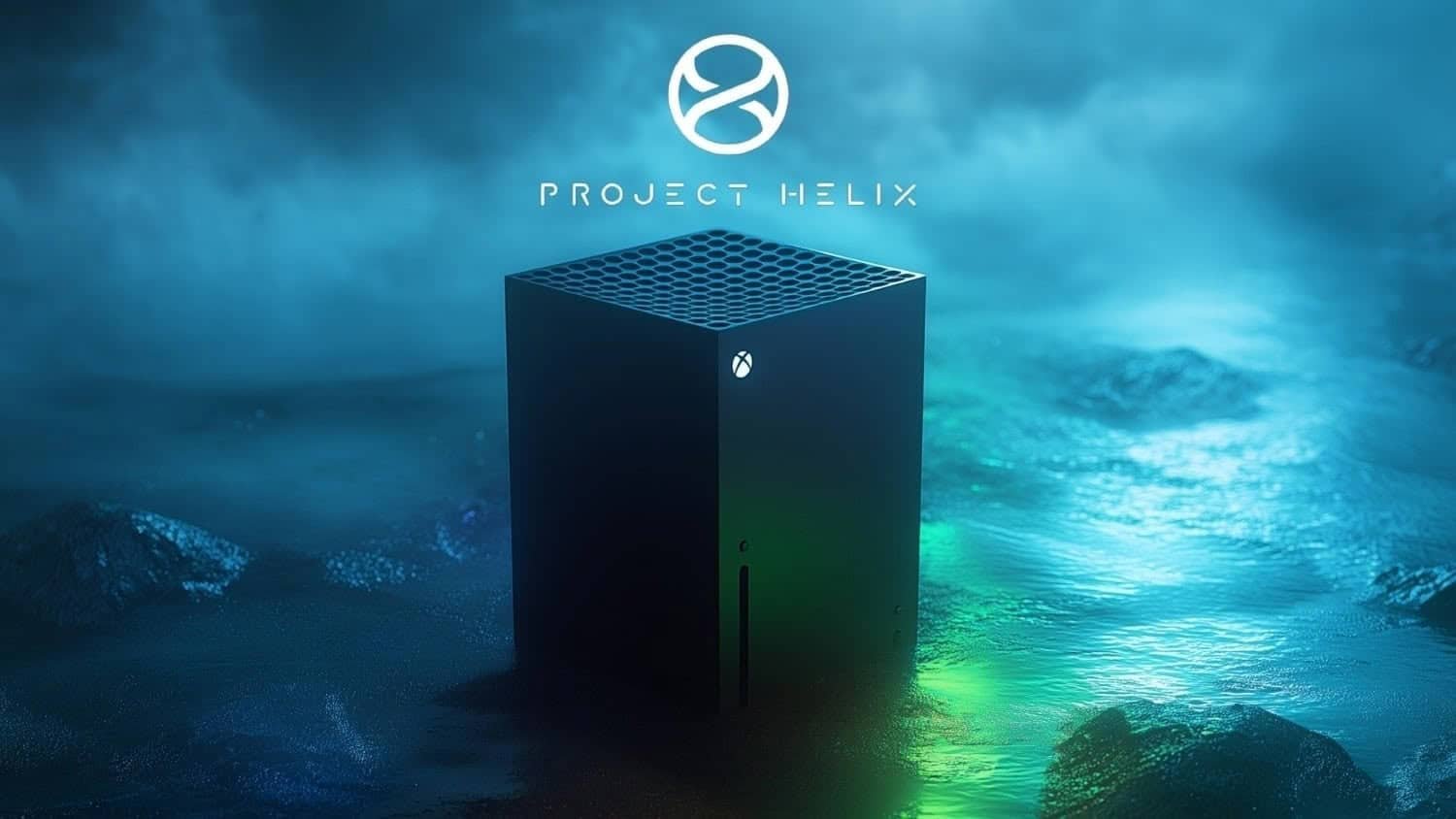
Project Helix is Microsoft’s upcoming hardware initiative. It moves away from a single flagship console towards a family of devices. Designed with AMD, this suite aims to bridge the gap between living room consoles and high-performance PC gaming through a unified architecture.
Xbox CEO Asha Sharma confirmed these details during a BBC News interview at gamescom. She clarified that Project Helix is a comprehensive family of devices rather than a single next-gen box.
This is a pivot. Earlier reports suggested a single flagship console was the goal, but the strategy is now a wider hardware suite.
The end of the standalone console era?
Microsoft is prioritising flexibility by developing hardware that natively supports both console and PC titles. Supported by custom AMD silicon, this approach allows for different hardware tiers to cater to budget-conscious players and high-end enthusiasts.
The technical backbone is a multi-year partnership with AMD to build a custom SoC architecture. This is meant to remove the wall between the living room console and high-fidelity desktop computing.
Microsoft wants efficiency and more affordable hardware. Running console titles and PC games on one platform gives users more choice.

Will Project Helix have a disc drive?
Microsoft has not officially confirmed the removal of physical media. However, the recent introduction of a disc-to-digital conversion program suggests a shift towards a digital-first ecosystem. This aligns with industry trends towards digital distribution and cloud-based gaming.
Asha Sharma deflected questions about disc drives. She did not say they are gone, but she did not say they are staying.
The timing of the disc-to-digital conversion program is the real signal. It helps users move physical libraries into digital formats, pointing to a future where hardware does not need a disc slot.
Project Helix release date and developer timeline
Alpha hardware kits are not expected to reach developers until 2027. This timeline suggests a formal consumer launch in the late 2020s following testing and optimisation of the new multi-device architecture.
Jason Ronald, VP of Next Gen, confirmed the 2027 date for developer kits. Hardware cannot launch without software, and software cannot be built without these kits.
A consumer release in the late 2020s represents a long lead time. It shows how much Microsoft is re-engineering its core hardware approach.
Speculation on third-party hardware partners
Microsoft is leaving the door open for an expanded ecosystem. While first-party consoles are confirmed, Xbox leadership suggested authorised third-party manufacturers could eventually develop their own Project Helix-compatible systems.
Project Helix has been discussed for a while, though specifics remained vague until now.
Jason Ronald noted the platform would be available as a first-party console but left room for other options. His phrasing suggests other authorised manufacturers might build systems using the Helix architecture.
What to expect for UAE gamers
As Project Helix targets affordability, we expect a range of price points in the UAE market. While official AED pricing is unavailable, the focus on efficiency suggests a tiered rollout through major retailers in Dubai and Abu Dhabi once the late-decade launch arrives.
Microsoft is focusing on hardware affordability. For those in the UAE, this likely means a tiered pricing structure with a budget entry point and a high-end enthusiast model.
The rollout will happen through usual channels in Dubai and Abu Dhabi. Since the launch is set for the late 2020s, current hardware remains the priority.


