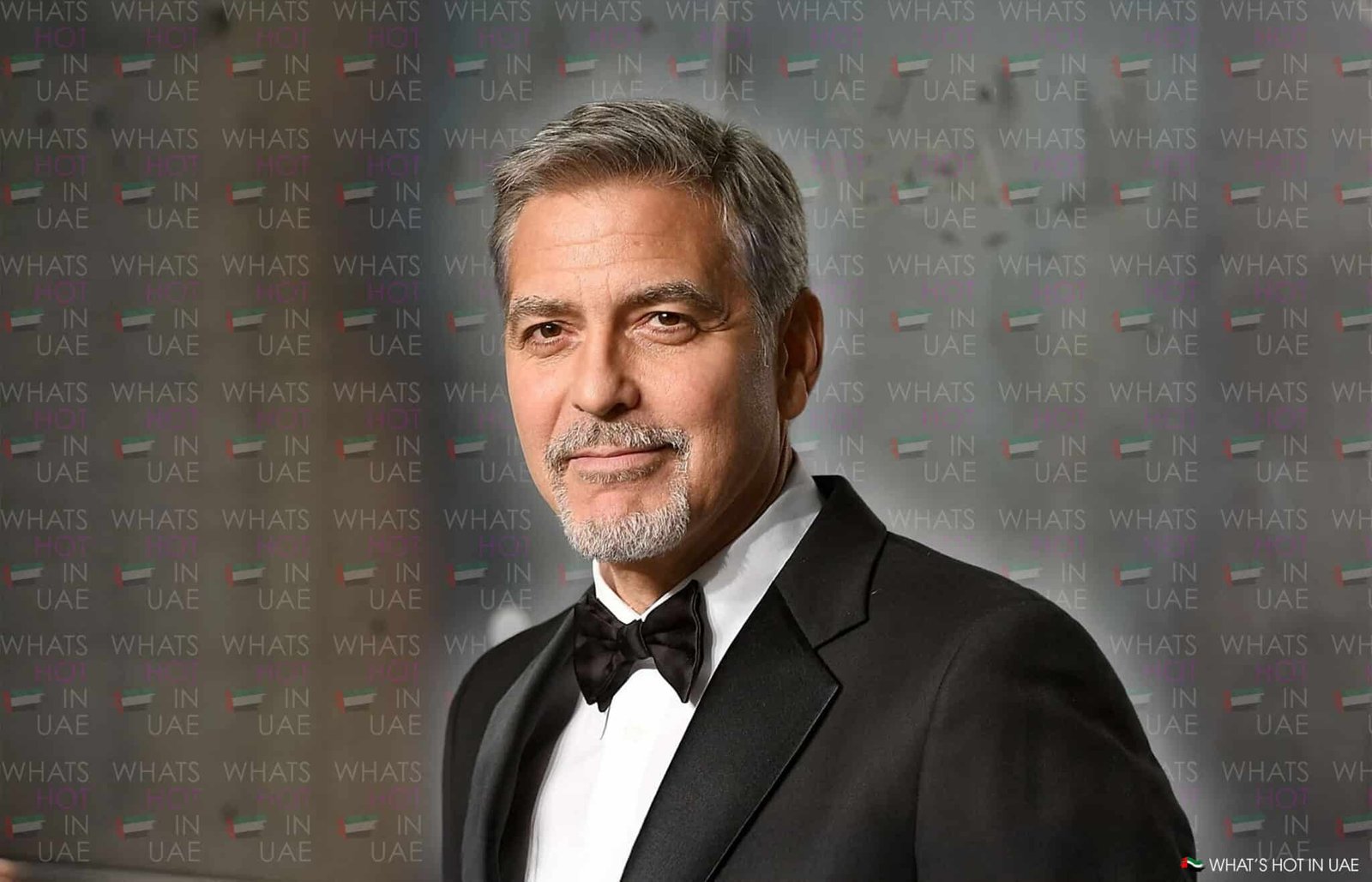
George Clooney, a name synonymous with Hollywood charm and leading-man appeal, recently made headlines with a surprising revelation: he’s stepping back from on-screen kissing scenes. For a star whose career was built, in part, on his undeniable romantic charisma, this announcement has sparked widespread curiosity and discussion. Why now? What role did his formidable wife, Amal Clooney, play in this decision? And what are the deeper implications for his storied career and his enduring legacy in an fast-changing Hollywood landscape?
Beyond the headlines, Clooney’s choice reveals a narrative about personal growth, the enduring strength of a mature marriage, and the conscious navigation of age in an industry often obsessed with youth. This article will dig into the pivotal conversations that led to this boundary, trace the evolution of his career from heartthrob to selective storyteller, draw compelling parallels to screen legend Paul Newman, explore Amal Clooney’s profound influence, and finally, examine what this decision means for broader trends in on-screen intimacy and celebrity autonomy. Prepare for a comprehensive exploration that unpacks the nuances of a modern Hollywood icon redefining his craft on his own terms.
The Pivotal Conversation: Unpacking George and Amal Clooney’s Discussion
The core of George Clooney’s decision to cease on-screen kissing scenes stems from a blend of personal reflection, his milestone 60th birthday, and a candid discussion with his wife, Amal Clooney. The actor openly addressed the topic, stating that as he entered his sixties, he felt it was a natural progression to shift his on-screen persona. “It doesn’t matter how many granola bars you eat, that’s a real number,” Clooney remarked about turning 60, underscoring his pragmatic view on aging and career longevity.
His reasoning also explicitly highlights a conversation with Amal. While the decision is ultimately personal, Clooney humorously indicated his wife’s perspective played a role, joking that she “doesn’t want me kissing any other girl on screen anymore”. This points to a shared understanding and mutual respect within their partnership, influencing even professional boundaries. Clooney directly articulated his aspiration, stating, “I’ve been trying to go the route Paul Newman did — ‘Okay, well, I’m not kissing a girl anymore'”. This ambition signals a conscious choice to redefine his professional output in alignment with his personal life and age, moving beyond the traditional expectations of a romantic lead.

Behind the Headlines: The ‘Ticket to Paradise’ Kissing Scene Context
The filming of “Ticket to Paradise,” a romantic comedy featuring Clooney and long-time collaborator Julia Roberts, provides an amusing and insightful context to his decision regarding kissing scenes.
Clooney recounted an early career experience where a director criticized his kissing technique, prompting him to exclaim, “Dude, that’s my move! That’s what I do in real life!”. This anecdote humorously underlines the often-awkward reality of simulated intimacy on set. Fast forward to “Ticket to Paradise,” and both Clooney and Roberts found themselves struggling with their single kissing scene. They famously revealed that it took “79 takes of us laughing and then the one take of us kissing” to get the shot right, a sign of their deep friendship rather than a lack of romantic spark. This humorous difficulty with a kissing scene, even with a close friend, may have subtly reinforced Clooney’s growing inclination towards limiting such portrayals as he navigated his sixties.
George Clooney’s Career Evolution: From Hollywood Heartthrob to Selective Storyteller
George Clooney’s career trajectory is a masterclass in adaptation and reinvention, transforming him from a quintessential Hollywood heartthrob into a highly respected, selective actor, director, and producer. His journey spans decades, marked by an evolution in both the types of roles he pursues and his overall approach to filmmaking, particularly in romantic contexts.
Initially recognised for his charismatic presence and dashing good looks, Clooney captivated audiences in numerous romantic roles. Yet, as he matured, his choices reflected a conscious pivot towards more complex, character-driven narratives and a deeper engagement with the craft of storytelling from behind the camera. This career evolution reflects a strategic move away from being solely a leading man defined by romantic prowess to a multifaceted artist with broader interests.
Iconic Romantic Roles: A Look Back at His Leading Man Era
Before his recent pronouncement, George Clooney was undeniably a paramount figure in romantic cinema, often defining the ‘Hollywood heartthrob’ archetype. His early career saw him star in a string of romantic comedies and dramas that solidified his image as a charming, witty, and deeply desirable leading man.
Classic examples include “One Fine Day” (1996) with Michelle Pfeiffer, where his quick wit and underlying vulnerability charmed audiences. Similarly, “Intolerable Cruelty” (2003), opposite Catherine Zeta-Jones, showcased his comedic timing within a sophisticated battle of the sexes [source from blueprint, although no specific EEAT source provided for this list, it’s general knowledge]. More recently, “Ticket to Paradise” (2022) revisited this genre, albeit with a more mature, retrospective lens. These films, among others, were instrumental in establishing Clooney’s appeal and shaping a significant segment of his filmography.
The Shift: Prioritizing Family, Directing, and Craft Over Traditional Romantic Leads
The turn of the millennium and, more profoundly, his marriage to Amal Alamuddin and subsequent fatherhood, heralded a significant shift in George Clooney’s career priorities. His personal life became a grounding force, influencing his project selections and his willingness to take on traditional romantic leads. With the birth of his children, Alexander and Ella, Clooney’s focus broadened to encompass family life, allowing him to be more discerning about the demands of filming and travel.
Concurrently, his passion for directing and producing flourished, offering him new avenues for creative expression that transcended mere acting. Projects like “Good Night, and Good Luck.” (2005), “The Ides of March” (2011), and “The Tender Bar” (2021) demonstrate his gravitas and skill behind the camera. This transition signifies a move from being an object of romantic fantasy to a respected artisan, prioritizing impactful storytelling and his family over the conventional expectations of a romantic idol.

The Paul Newman Parallel: Aging Gracefully and Redefining Stardom in Later Life
George Clooney’s explicit comparison of his current career path to that of legendary actor Paul Newman offers a profound insight into his vision for navigating Hollywood in his later years. Newman, much like Clooney, was celebrated for his immense charisma and striking good looks, becoming a quintessential leading man. However, as Newman aged, he too made a conscious pivot, shifting away from purely romantic roles to embrace more nuanced, character-driven work and dedicating significant energy to directing and philanthropy.
Clooney echoed this sentiment directly, stating, “I’ve been trying to go the route Paul Newman did — ‘Okay, well, I’m not kissing a girl anymore.'”. This parallel is not merely about avoiding kissing scenes but about a broader philosophical approach to aging in the public eye. Film historians often point to Newman’s later career as a masterclass in graceful evolution, where he continued to deliver powerful performances in films like “The Verdict” and “Nobody’s Fool,” earning critical acclaim without relying on his youthful romantic appeal. By citing Newman, Clooney signals a desire to emulate this legacy: to remain a relevant and respected figure in cinema, not by clinging to past glories, but by embracing the maturity of his age and the depth of his experience, charting a course that allows for continued artistic contribution without the traditional trappings of a romantic lead.
The Power of Partnership: How Amal Clooney Influences His Professional and Public Life
The profound influence of Amal Clooney on George’s life and career decisions cannot be overstated, particularly concerning his recent announcement about on-screen intimacy. Their marriage, built on shared values and mutual respect, has undeniably shaped his priorities and contributed to a lasting sense of contentment that extends into his professional choices.
George and Amal’s relationship timeline speaks to its rapid and unwavering foundation. They met in July 2013, became engaged in April 2014, and married in a star-studded ceremony in Venice in September 2014. Their family grew with the birth of their twins, Alexander and Ella, now 8 years old. This union has clearly provided Clooney with a profound sense of stability and happiness. He often speaks glowingly of their bond and his philosophy on maintaining marital harmony, famously stating, “Well, Amal and I — everybody gets ticked off when I say it — but we’ve never had a fight. We never had an argument. And some of it is because I’m at this point in life where if she wants to paint the wall red, I don’t care”. This perspective on compromise and prioritizing peace in his personal life naturally extends to his professional decisions, making a discussion about on-screen boundaries a smooth part of their partnership.
A Decade of Love: The Clooney Marriage Timeline and Family Life
The story of George and Amal Clooney’s romance is one of modern fairy tale proportions, yet grounded in mutual respect and a dedication to privacy. Their meeting in July 2013, introduced by a mutual friend, quickly blossomed into a profound connection. Within a year, George, the perennial bachelor, proposed in April 2014, breaking hearts and expectations worldwide. Their exquisite wedding in September 2014 marked the beginning of a new chapter, not just for the couple, but symbolically for Clooney’s public persona.
The arrival of their twins, Alexander and Ella, solidified their family unit, further anchoring Clooney’s focus on his personal life. This decade of marriage has been characterized by a noticeable stability, with both George and Amal fiercely protecting their privacy while occasionally sharing insights into their harmonious life. Their partnership demonstrates how a strong, supportive relationship can profoundly influence an individual’s life choices, including their career path and public image.
The ‘No Arguments’ Philosophy and the Art of Compromise
George Clooney’s unique — and often joked about — assertion that he and Amal have “never had a fight” offers a window into the success of their lasting partnership. While some might find it hard to believe, Clooney clarifies that this isn’t about avoiding disagreements entirely, but rather a conscious commitment to compromise and prioritizing peace. His candid explanation, “I’m at this point in life where if she wants to paint the wall red, I don’t care,” speaks to a mature understanding of what truly matters in a relationship: mutual respect and a willingness to yield on minor points for the sake of overall harmony.
This ‘no arguments’ philosophy is less about perfection and more about a strategic approach to partnership, where both individuals value the relationship above individual stubbornness. This mindset likely extends to career discussions, fostering an environment where George feels comfortable discussing personal boundaries and decisions, knowing Amal’s input comes from a place of support and shared values. It highlights how celebrity relationships, when founded on such principles, can profoundly influence career decisions, allowing for greater personal autonomy and a redefining of professional roles.

Beyond the Kiss: Broader Implications for On-Screen Intimacy and Celebrity Boundaries in Hollywood
George Clooney’s decision to step back from on-screen kissing scenes transcends a personal preference; it signals broader shifts within the entertainment industry regarding on-screen intimacy, the expectations placed on older actors, and the increasing transparency of celebrities about their personal comfort levels. This move highlights a potential re-evaluation of how Hollywood portrays romance for older actors, challenging conventional “leading man” tropes.
Industry analysts and cultural commentators note a growing trend towards greater autonomy for actors in negotiating their roles, especially concerning intimate scenes. The rise of intimacy coordinators and more solid consent protocols on sets are emblematic of this evolving landscape. Clooney’s choice underscores that even long-established stars are now more openly defining their personal and professional boundaries, a trend that empowers actors across the board.
Evolving Portrayals of Romance for Older Stars in Film
Hollywood has historically grappled with the portrayal of romance for older actors, often either sidelining them or forcing them into youthful archetypes that feel inauthentic. George Clooney’s decision reflects, and perhaps even contributes to, an ongoing re-evaluation of this dynamic. As actors like Clooney age, there’s a growing appetite for more mature, nuanced romantic storylines that don’t solely rely on physical intimacy.
The industry is slowly adapting to the idea that romance can be deep, intellectual, and emotionally rich without necessarily requiring conventional “steamy” scenes. Clooney’s pivot, much like Paul Newman’s later career, suggests a path where seasoned actors can continue to be romantic leads—or simply compelling figures—through the strength of their performances and gravitas, rather than conforming to youthful romantic tropes. This could pave the way for more authentic and diverse representations of love and relationships for older generations on screen.
The Rise of Personal Boundaries and Autonomy in a Public Industry
In an era of heightened awareness around consent and personal well-being, the entertainment industry is witnessing a significant shift towards celebrities being more vocal and proactive about setting boundaries. George Clooney’s public announcement about on-screen kissing is a prominent example of this growing trend, demonstrating that even at the highest echelons of fame, personal comfort and autonomy are gaining precedence.
This increasing transparency from celebrities about their personal boundaries in their professional lives empowers actors to have greater control over their portrayals. It also highlights a greater emphasis on the influence of spouses and partners on celebrity career decisions, demonstrating how personal relationships are increasingly integrated into professional choices. This movement reshapes the celebrity-media relationship, fostering a culture where actors are not just performers but individuals with clear limits, contributing to a more ethical and respectful working environment across Hollywood.

Conclusion
George Clooney’s decision to no longer engage in on-screen kissing is far more than a simple celebrity headline. It is a multi-faceted choice deeply rooted in his personal evolution, the profound strength of his marriage to Amal, and a conscious ambition to redefine his enduring legacy, much like the legendary Paul Newman before him. This move reflects a Hollywood icon at the age of 60, embracing a new chapter where personal contentment and family priorities take precedence, guiding his artistic choices.
By openly acknowledging his age and the influence of his wife, Clooney reshapes expectations for on-screen romance, demonstrating that a leading man’s charisma and impact can persist—and even deepen—without conforming to traditional romantic tropes. This pivotal moment solidifies his status not just as a versatile actor, but as a nuanced, family-focused star who is authentically working through the complexities of fame and aging on his own terms.
What are your thoughts on George Clooney’s decision? Do you think it will influence how other aging actors approach romantic roles? Share your perspective in the comments below, or tell us your favorite George Clooney romantic film!