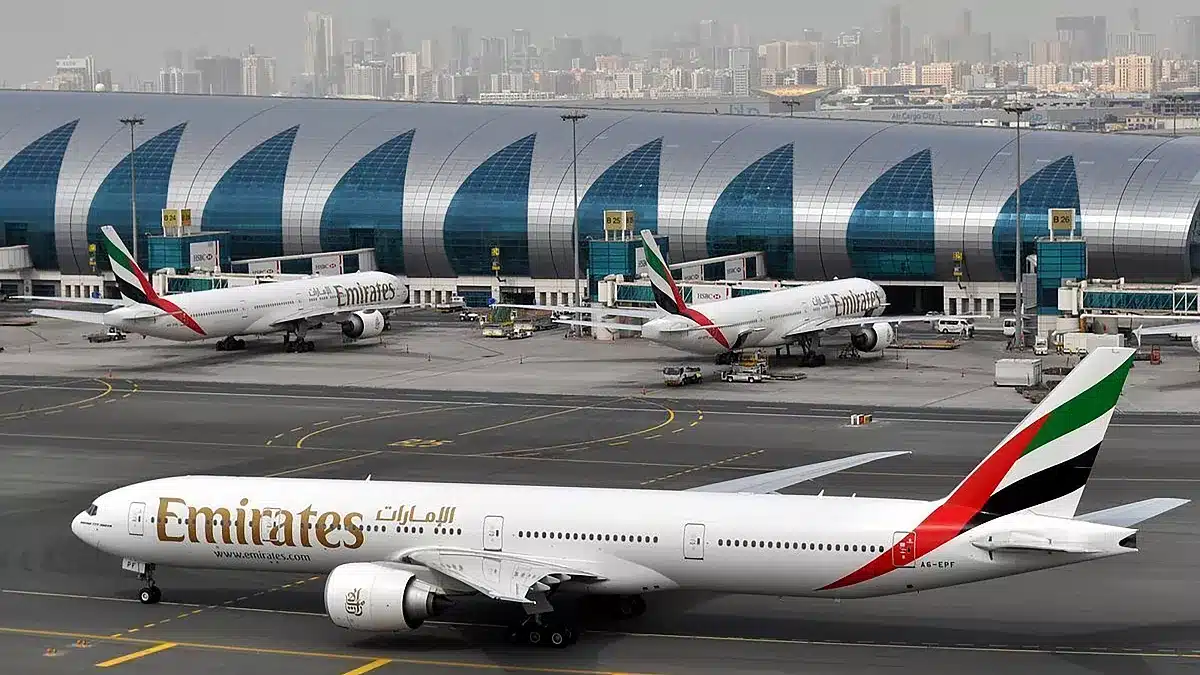
The ongoing regional instability involving the US, Iran, and Israel has caused several major international carriers to suspend or reduce their flight schedules to Dubai. Recent news has highlighted dubai flights cancelled by international airlines due to the escalating situation. While DXB is ramping up operations, airlines are prioritising safety and managing capacity amidst the geopolitical turmoil in the Middle East. In summary, Dubai flights cancelled by international airlines continue to be a major headline for travellers and aviation analysts.
I have been tracking the flight boards and schedules closely. Dubai flights are still not back to where they should be. The volatility involving the US, Iran, and Israel has created a cautious environment for foreign carriers. Many discussions revolve around Dubai flights being cancelled by international airlines in travel forums and news reports.
While UAE airspace is fully open, the risk appetite of international airlines varies. Some are waiting for a more stable political signal before committing their fleets back to the region. You can read more about how the Emirates protects visitors during regional tensions to understand the local safety framework.
Key Takeaways
- Ongoing regional instability has led to major international airlines suspending or reducing Dubai flights.
- Air Canada, British Airways, Lufthansa, and KLM have all paused or cancelled their services to Dubai until late October.
- Airlines like Cathay Pacific and Singapore Airlines are also adjusting schedules, offering flexible rebooking and refunds.
- Passengers should check airline policies for affected flights, as most carriers offer free rebooking or full refunds.
- Emirates and flydubai continue to operate but with reduced schedules; passengers should closely monitor their flight statuses.
European and North American airlines suspending DXB services
Major carriers including Air Canada, British Airways, Lufthansa, and KLM have paused or significantly reduced flights to Dubai. These suspensions range from short-term pauses to long-term cancellations lasting until late October, depending on the airline’s specific safety assessments and regional flight capacity. Dubai flights by international airlines remain a concern for passengers needing to adjust their plans.
Air Canada has cancelled all flights to Dubai until 24 October. If you are booked on these flights, the airline allows rebooking to the same destination between 8 September and 15 December without extra fees. You can also rebook to a different destination between 1 May and 15 December or claim a credit.
British Airways has paused all flights to Dubai International (DXB), as well as Tel Aviv, Bahrain, and Amman. These are scheduled to resume on 25 October.
The Lufthansa Group has taken a similar stance. Lufthansa, Austrian Airlines, Brussels Airlines, and SWISS have all suspended flights to Dubai until 24 October. Eurowings has also paused service until 24 October.
KLM is not flying to or from Dubai up to and including 23 August. Passengers are being notified via the “My Trip” portal for rebooking or refunds.
Wizz Air has also suspended operations. While there is no formal statement on their website, there are no flights listed for Dubai until late September. If you are planning a budget trip, check UAE travel insurance rules to ensure you are covered for these kinds of disruptions.
Asian and Middle Eastern carrier updates
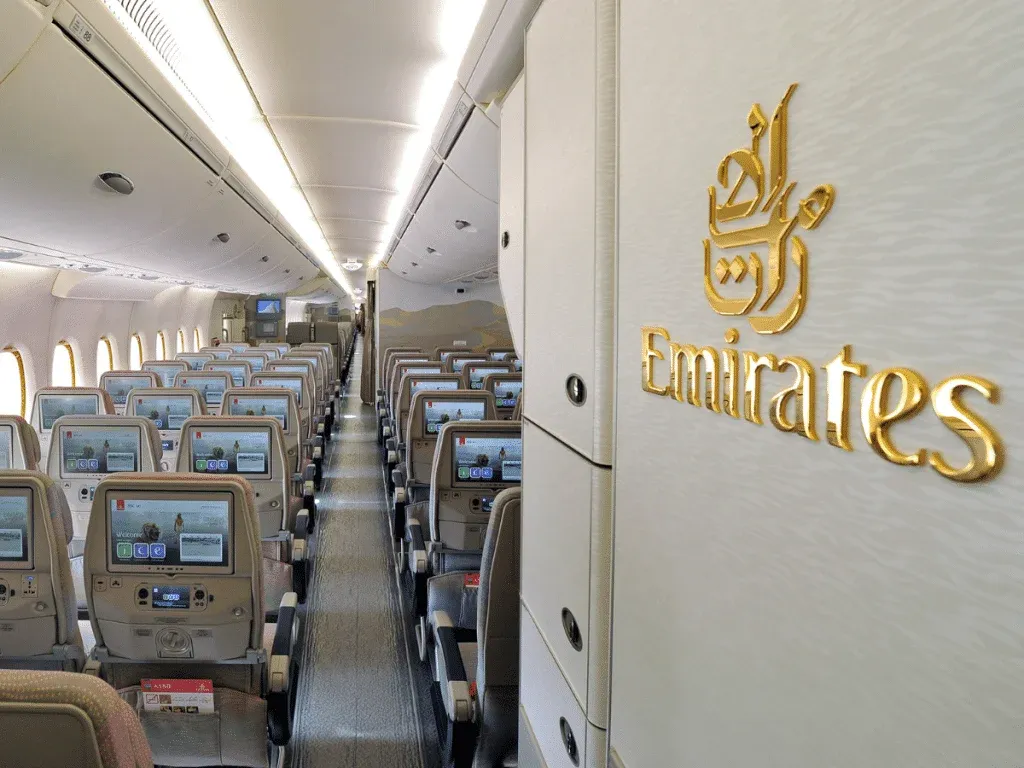
Airlines from Asia and the Middle East, such as Cathay Pacific, Singapore Airlines, and Air Astana, are also adjusting schedules. Some have suspended specific routes temporarily, while others have extended cancellations through September, offering passengers flexible rebooking or full refunds to mitigate travel disruption.
Cathay Pacific cancelled all flights to and from Dubai up to 1 September. However, the airline is being flexible with bookings. If you were scheduled to travel between Hong Kong and Dubai up to 30 September, you can rebook, reroute, or request a refund without the usual fees.
Singapore Airlines cancelled the SQ494 and SQ495 route between Singapore and DXB until 2 August. The airline has warned that the situation is fluid and other flights may be affected.
Korean Air suspended its Incheon to Dubai route until at least 2 August. They will decide on further operations after that date based on the status of DXB.
Air Astana suspended the Almaty-Dubai route for 13 July and 14 July. This was a targeted suspension due to the regional situation. For travellers, Dubai flights cancelled by international airlines have created significant schedule changes across carriers from multiple continents.
Practical guide: How to manage your cancelled Dubai flights
If your flight is affected, check your airline’s specific policy immediately. Most carriers, including Lufthansa and Air Canada, are offering free rebooking to later dates or full refunds. Always verify your flight status via the airline’s official app before heading to the airport.
Lufthansa Group passengers can choose between a full refund of the ticket price or free rebooking to a later date. This applies across all their brands, including SWISS and Austrian.
Air Astana passengers with flights scheduled between 12 July and 18 July can get a full refund or rebook for free on flights up to 31 July.
Cathay Pacific has waived fees for rebooking and refunds for those travelling up to 30 September. If you haven’t heard from them, check your email or the app.
Don’t rely on third-party booking sites for the latest updates. Go straight to the carrier. For future trips, I recommend using the ultimate UAE flight booking playbook to avoid these pitfalls.
What to expect from Emirates and flydubai
Unlike many international carriers, Emirates and flydubai continue to operate, albeit with some reduced schedules. While they remain the most reliable options for reaching DXB, passengers should still monitor their flight status closely as regional capacity at DXB and DWC fluctuates.
Local carriers have the most stability, but they aren’t immune to the wider regional issues. Both are running wide-ranging schedules, though they are reduced compared to peak norms.
Lufthansa reported that both Dubai International (DXB) and Al Maktoum International (DWC) have been reducing the number of flight movements. This is primarily for capacity reasons as the airports manage the uneven flow of returning international traffic. Ultimately, as the situation evolves, Dubai flights cancelled international airlines disruptions will continue to impact travel to and from the region.
If you are looking for alternatives, check the flydubai premium economy guide to see if a regional hop is a better option for your itinerary.