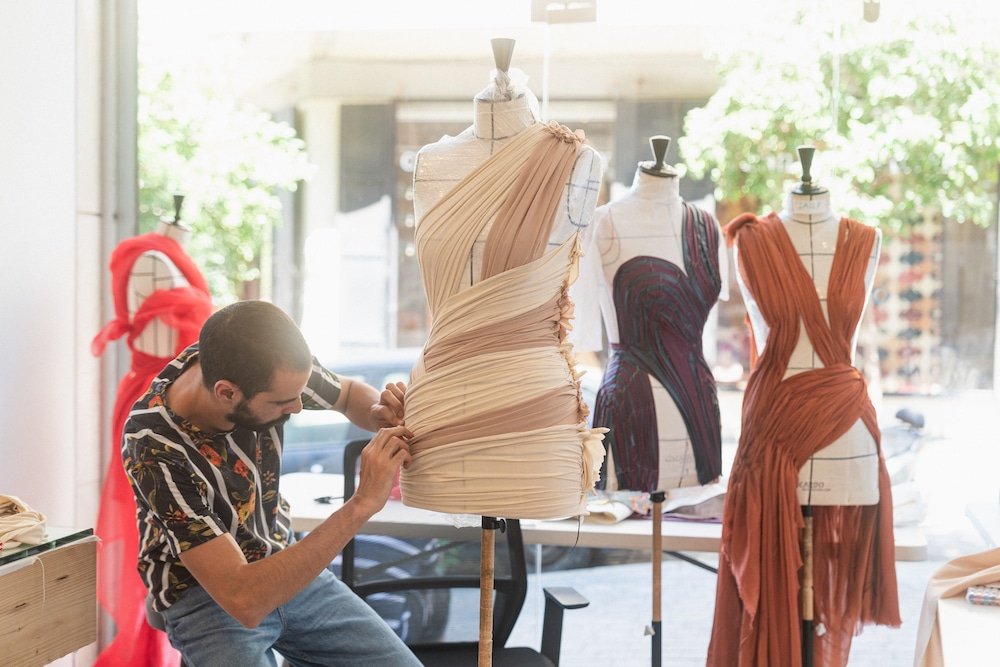
The UAE is a hub of conscious consumers, residents who want good design and quality but also care where their money goes and make ethical choices with their purchases. Right now, as Lebanon faces ongoing economic collapse, political instability, and infrastructure challenges, its lively creative economy is more vulnerable than ever. Supporting Lebanese brands isn’t just about acquiring beautiful items; it’s a powerful act of solidarity, directly investing in the livelihoods of artisans, designers, and entire communities.
This is a guide to the Lebanese brands worth supporting from the UAE, and why they matter. This article will take you on a journey to understand the profound ‘why’ behind supporting these brands, introduce you to the ‘who’ – a selection of the most inspiring Lebanese designers and makers – and provide practical guidance on the ‘how’ to connect with them from right here in the Emirates. Discover how your choices can help sustain a fragile yet incredibly resilient creative infrastructure, preserving heritage and fostering innovation in the heart of Beirut and beyond.
In This Article
- The Enduring Spirit: Innovation & Resilience in Lebanese Design
- Beyond Products: The Social & Economic Impact of Your Purchase
- Preserving Heritage: Traditional Craftsmanship in Modern Lebanese Brands
- A Curated Guide: Top Lebanese Brands to Support from the UAE
- Practical Pathways: How to Support Lebanese Designers from the UAE
- Frequently Asked Questions
The Enduring Spirit: Innovation & Resilience in Lebanese Design
Lebanon’s creative industries, renowned for their ingenuity, face unprecedented challenges from economic collapse and political instability. Despite these adversities, Lebanese designers and artisans demonstrate extraordinary innovation and adaptation, transforming obstacles into unique design philosophies. This enduring spirit defines the Beirut creative scene and its resilient Lebanese brands.
The Lebanese creative economy has historically navigated periods of immense difficulty, consistently emerging with renewed vigour and distinctive artistic expressions. From the civil war to recent financial crises, the sector has shown remarkable historical resilience, a sign of the deep-rooted passion for craft and design. Today, however, the scale of Lebanon’s design challenges, including widespread power cuts, supply chain disruptions, and hyperinflation, presents a more complex threat. These issues risk the permanent loss of invaluable specialised skills that are passed down through generations of artisans, from intricate embroidery to traditional woodworking, if consistent commercial activity cannot be sustained.
In response, designers are actively fostering innovation in crisis, re-evaluating traditional production methods and embracing sustainable practices. Many are finding novel ways to connect with global markets, often through digital platforms and international collaborations, to overcome local limitations. Supporting these resilient Lebanese brands from the UAE is a direct and vital investment in sustaining this fragile creative ecosystem, preventing the erosion of cultural heritage and empowering communities to rebuild.

Beyond Products: The Social & Economic Impact of Your Purchase
Purchasing from Lebanese brands offers more than just a unique item; it creates a tangible ripple effect throughout the Lebanese economy. Each transaction directly contributes to job creation, skills development, and financial independence, particularly for marginalised groups. This conscious consumption is a powerful way to support the Lebanese economy and preserve invaluable local craftsmanship.
This direct impact is why ethical fashion in Lebanon and other design sectors are so crucial. For instance, a recent report highlighted that small and medium-sized enterprises (SMEs) in Lebanon, which include many creative businesses, account for over 90% of registered businesses and employ a significant portion of the workforce. By choosing to support the Lebanese economy, consumers in the UAE are directly bolstering these vital enterprises. This ensures sustainable employment in Beirut and beyond, providing stability for families and preventing the brain drain of talented individuals.
The model of social impact brands like Sarah’s Bag, founded in 2000, exemplifies this. The Beirut-based label empowers marginalised women by providing sustainable employment and advanced hand-embroidery skills through its programme. Similarly, Creative Space Beirut plays a crucial role by offering free fashion education, addressing a structural issue within the industry by enabling students from diverse socio-economic backgrounds to enter fashion on merit, thus fostering future talent. Your support helps these initiatives thrive, ensuring that creativity remains a pathway to community empowerment in Lebanon and stability.
Preserving Heritage: Traditional Craftsmanship in Modern Lebanese Brands
Lebanese brands serve as vital custodians of cultural heritage, carefully integrating traditional techniques like hand-embroidery and woodworking into contemporary designs. This blend ensures invaluable Lebanese craftsmanship is passed down, creating a unique aesthetic that connects consumers to Lebanon’s rich history. These heritage brands in Lebanon are essential for cultural preservation and design.
The artisans and craftspeople are the backbone of this industry, their expertise forming the very essence of these heritage brands in Lebanon. From the intricate patterns of tarkashi (inlaid silver wire) to the delicate art of glassblowing, these traditional Lebanese art forms are being reimagined for a modern audience. This not only keeps the skills alive but also introduces them to new markets, ensuring their continued relevance. The unique aesthetic that results from this blend of tradition and modernity tells a story, connecting the wearer or owner to Lebanon’s rich history and lively cultural identity.
For instance, Salim Azzam, based in Mount Lebanon, structures his atelier around collaboration with local women artisans specialising in traditional embroidery, weaving their stories into his garments. Likewise, Studio Tuut focuses on preserving Levantine culinary tools, working with local craftspeople to produce contemporary versions of traditional kitchen objects, thereby extending cultural knowledge preservation beyond fashion into everyday practices. These Lebanese artisans are not just creating products; they are safeguarding a legacy.
A Curated Guide: Top Lebanese Brands to Support from the UAE
Here are some of the most impactful Lebanese brands, selected for their unique philosophies and exceptional craftsmanship. These designers embody the resilience and innovation defining the Beirut design scene, offering everything from fashion to home decor. Discover where to buy Lebanese designer items and the best Lebanese fashion and design brands deserving your support.
Sarah’s Bag: Fashion with a Social Mission
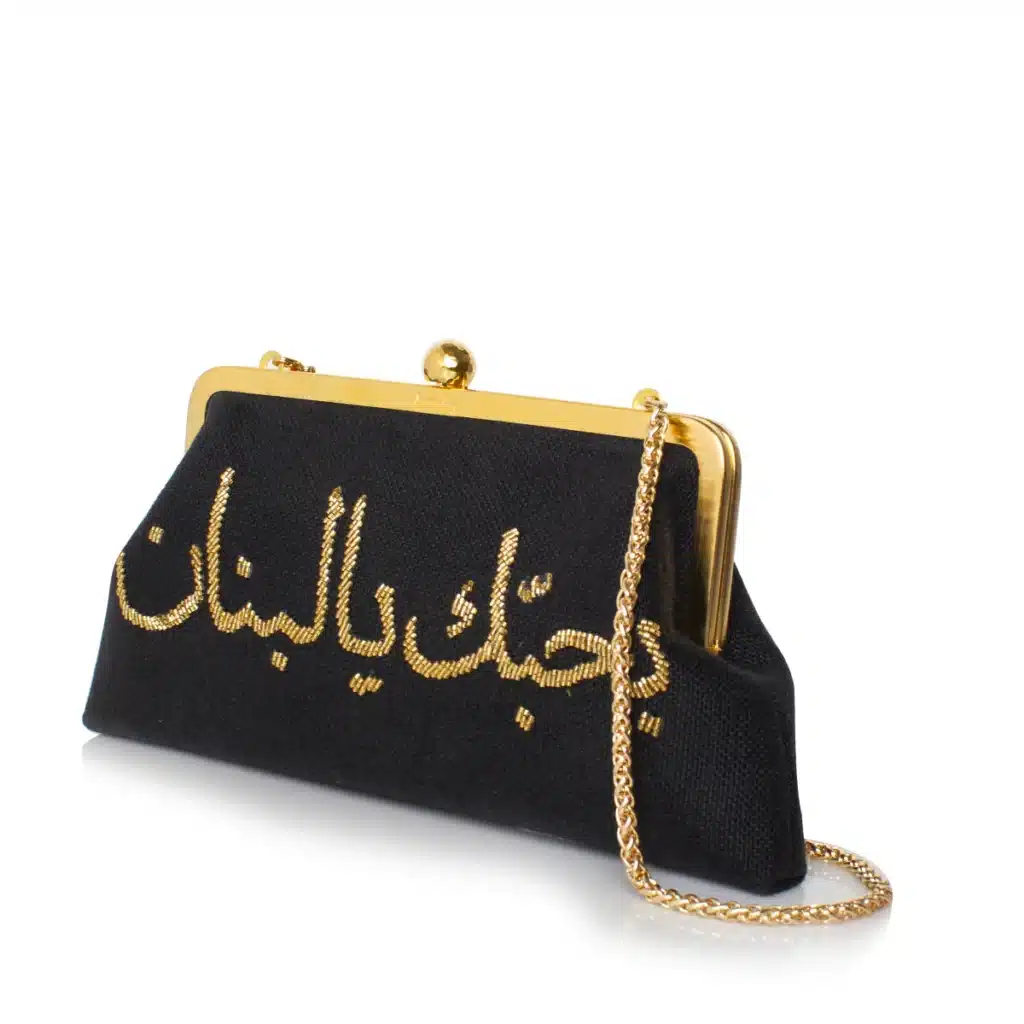
Founded in 2000 by Sarah Beydoun, Sarah’s Bag stands as a pioneer in the realm of social enterprise fashion. This esteemed Beirut-based label is dedicated to empowering marginalised women by providing them with sustainable employment and advanced hand-embroidery skills. Their intricate, labour-intensive accessories are a sign of this mission, blending traditional Lebanese techniques with contemporary designs to create genuinely unique pieces that carry a powerful story of empowerment and craftsmanship.
Creative Space Beirut: Nurturing Future Design Talent
Creative Space Beirut is a beacon of hope for aspiring designers, offering free fashion education to address significant access issues within the industry. This vital institution provides a rigorous, industry-relevant curriculum, supporting students from diverse socio-economic backgrounds. By fostering future talent and shaping Lebanon’s design landscape, Creative Space Beirut plays a crucial role, especially at a time when creative migration remains a challenge, ensuring a continuous pipeline of innovative designers.

Bokja: Textile Narratives and Sustainable Design
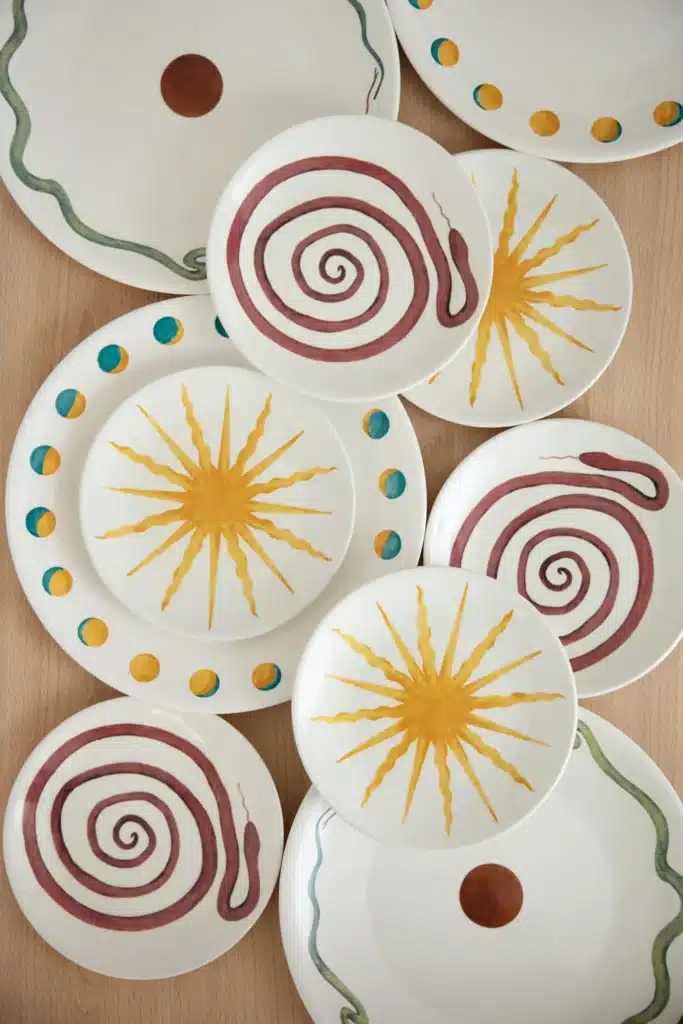
Since its founding in 2000 by Huda Baroudi and Maria Hibri, Bokja has carved out a distinctive niche with its textile-driven design, deliberately resisting minimalism and mass production. The collective masterfully uses reclaimed and repurposed fabrics to create furniture and objects that are rich in narrative, reflecting themes of memory, displacement, and identity. Their commitment to slow, small-batch production is both an environmental stance and a practical response to Lebanon’s constrained manufacturing conditions, resulting in genuinely unique and sustainable Lebanese design.

BEIT Collective: A Platform for Contemporary Lebanese Craft
BEIT Collective serves as an innovative platform that unites architects, designers, and craftspeople to produce limited-edition objects. Their crucial commitment to local production is at the core of their philosophy, as they exclusively utilise Lebanese workshops and materials. This collaborative model not only showcases the strength of local creative talent but also allows them to engage a global market while remaining deeply rooted in Lebanon’s rich artisanal traditions.
Salim Azzam: Embroidered Stories from Mount Lebanon
Based in the picturesque Mount Lebanon, Salim Azzam’s atelier is built on a foundation of collaboration with local women artisans who specialise in traditional embroidery. His garments are renowned for incorporating hand-stitched motifs that beautifully reference rural life and regional histories. Through his work, Azzam positions craft as a central element of his unique design language, creating pieces that are not just fashion but wearable stories that celebrate Lebanese heritage and the skill of its artisans.

Studio Tuut: Reimagining Levantine Culinary Heritage
Studio Tuut offers a unique approach to cultural preservation by focusing on the reinterpretation of Levantine culinary tools. Working closely with local materials and skilled craftspeople, the brand produces contemporary versions of traditional kitchen objects, ranging from intricately carved wooden utensils to elegant serving pieces. This initiative extends cultural knowledge preservation beyond fashion, integrating it into everyday practices and celebrating the enduring resilience of Lebanese heritage through functional art.

Orient 499: Craftsmanship & Durability in Beirut Design
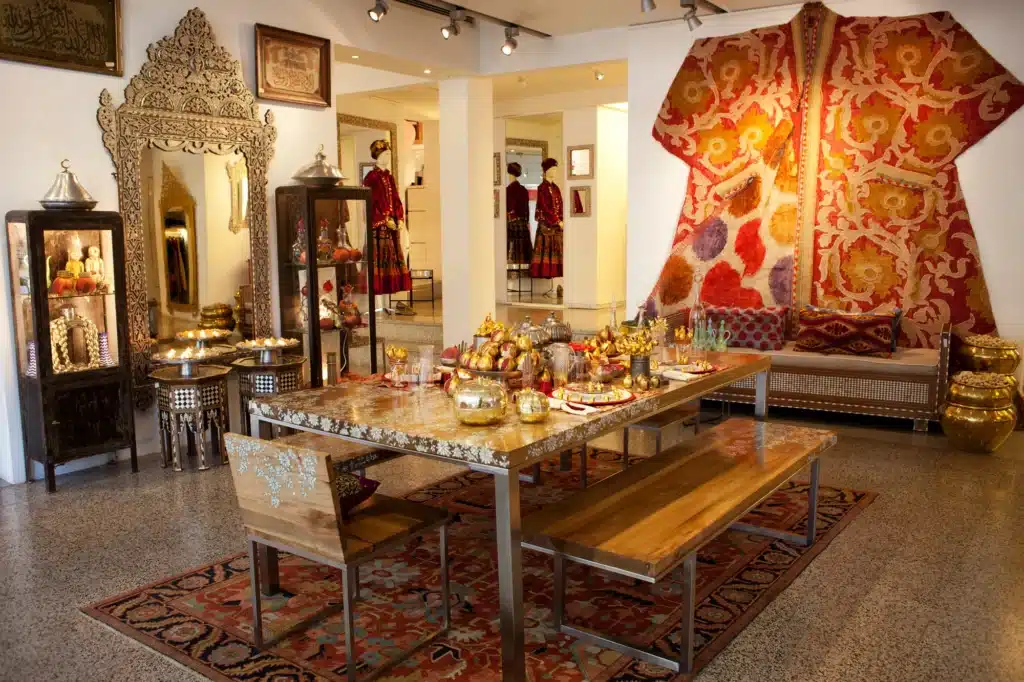
Orient 499 operates across fashion, accessories, and interiors, with its production firmly anchored in Beirut. Their collections draw deeply on regional visual codes, prioritising exceptional craftsmanship and durability. In a market often driven by fleeting seasonal trends, Orient 499 stands out by emphasising longevity in both its materials and design, offering timeless pieces that reflect a deep expertise in Lebanese design and a commitment to enduring quality.
Nightcomer: Streetwear with a Local Lebanese Lens
Nightcomer represents a dynamic younger generation of Lebanese designers who skillfully blend global streetwear aesthetics with a distinct local lens. The brand’s emphasis on limited production and sustainable methods reflects both ideological commitments and practical responses to manufacturing constraints in Lebanon. This approach results in a contemporary aesthetic that is profoundly informed by a strong sense of place, making Nightcomer a compelling voice in modern Beirut fashion.

LUCAS TREMSAL: Cross-Border Creativity
LUCAS TREMSAL operates uniquely between Paris and Beirut, adeptly navigating both the established European fashion infrastructure and the realities of Lebanese production. The label’s design language is characterised by its restrained, architectural elegance. This cross-border model exemplifies a broader trend among Lebanese creatives, showcasing their ability to maintain international relevance and appeal while simultaneously sustaining vital ties to local craftsmanship and the rich cultural heritage of Lebanon.
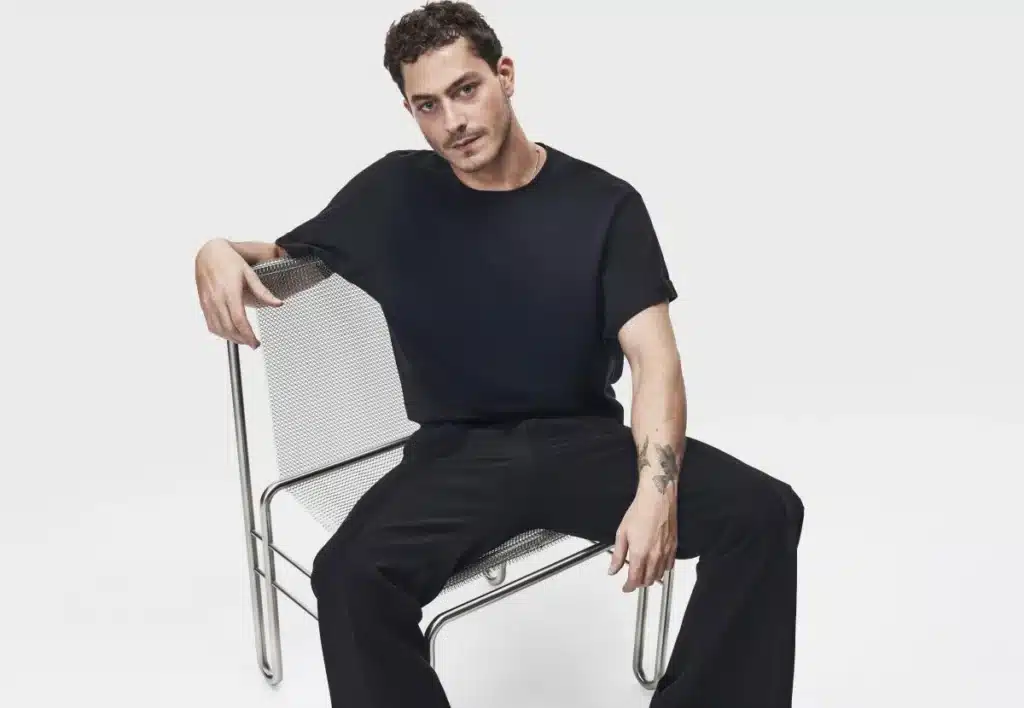
Ahmed Amer: Emerging Talent with Narrative Depth
Ahmed Amer, a recipient of the prestigious Fashion Trust Arabia Prize in 2023, is a rising star among Lebanese designers. His work is distinguished by a powerful narrative component, often exploring personal and collective identity through innovative construction and material choices. Recognition from authoritative institutions such as Maison Mode Méditerranée further signals the importance of sustained support for emerging Lebanese talent at crucial early stages of their careers, highlighting their significant impact on the Beirut design scene.

Practical Pathways: How to Support Lebanese Designers from the UAE
As UAE residents, you possess a unique opportunity to directly impact the Lebanese creative economy through ethical shopping in the UAE. Supporting these brands is simpler than imagined, and What’s Hot in UAE provides practical guidance on how to help the Lebanese economy and discover where to buy Lebanese brands in the UAE.
By following these practical pathways, you can effectively buy Lebanese brands in the UAE and make a tangible difference. Many brands have streamlined their processes for international customers, making shipping Lebanese products to Dubai, Abu Dhabi, and other Emirates increasingly straightforward. This direct engagement fosters a stronger connection between conscious consumers and the artisans they support.
- Direct Online Purchases: Many Lebanese brands operate solid e-commerce platforms. Visit their official websites directly to browse collections and make purchases. This ensures that the maximum benefit goes straight to the brand and its artisans, strengthening the support for Beirut designers online.
- Social Media Engagement: Follow these brands on platforms like Instagram and Facebook. Engage with their content, share their posts, and spread awareness among your network. This visibility is invaluable for brands operating with limited marketing budgets.
- Direct Communication: If a brand doesn’t have an immediate e-commerce option, don’t hesitate to reach out via their social media direct messages or email. Many are accustomed to facilitating international orders and can arrange shipping of Lebanese products to Dubai, Abu Dhabi, and across the UAE.
- Regional Pop-Ups and Exhibitions: Keep an eye on local art and design markets, pop-up events, and exhibitions in the UAE. Lebanese designers frequently participate in these, offering a chance to see their work in person and connect directly.
- Ethical Shopping Directories: Look for online directories or platforms that specifically curate ethical and artisanal brands from the Middle East. These can often simplify the purchasing process and provide consolidated shipping options, making your ethical shopping in the UAE journey more efficient.
By taking these steps, you become an active participant in sustaining a lively creative culture and empowering communities through conscious consumption.
Frequently Asked Questions
Supporting Lebanese brands is crucial because it directly injects much-needed capital into a creative economy grappling with severe economic and political crises. Your purchases help sustain livelihoods, preserve traditional craftsmanship, and prevent the loss of specialised skills, fostering resilience and stability within communities.
Your purchases provide direct income to designers, artisans, and their families, stimulating local production and employment. This economic activity helps to circulate money within Lebanon, supporting small businesses and contributing to a more stable financial environment amidst significant challenges.
Many Lebanese brands, like Sarah’s Bag and Bokja, are deeply committed to ethical and sustainable practices. They often employ marginalised women, use repurposed materials, and focus on slow, small-batch production, reflecting both environmental consciousness and a dedication to social impact.
Yes, most Lebanese brands are adept at handling international orders. While some have integrated e-commerce with direct shipping, others can arrange delivery to the UAE via direct communication through their websites or social media channels. It’s always best to verify shipping details directly with the brand.
Lebanese brands offer a diverse range of products, including high-end fashion, intricate accessories, unique furniture, textile art, home decor, and even reimagined culinary tools. They often blend traditional craftsmanship with contemporary design, creating pieces that are both culturally rich and modern.
Beyond hand-picked guides like this one from What’s Hot in UAE, you can discover new Lebanese designers by following regional design publications, exploring online platforms dedicated to Middle Eastern craft, and engaging with design communities on social media. Many designers also participate in regional art and design fairs.
Institutions like Creative Space Beirut are fundamental to nurturing future talent by offering free, high-quality fashion education. They address systemic barriers to access, ensuring that aspiring designers from all backgrounds can develop their skills and contribute to Lebanon’s creative landscape, even amidst challenging circumstances.
Disclaimer: This article provides general information and recommendations. Economic and political conditions in Lebanon are subject to rapid change, which may impact the operations and availability of the featured brands. Readers are encouraged to verify current information directly with brands before making purchasing decisions. What’s Hot in UAE aims to provide accurate and timely information, but cannot guarantee the continuous operation or specific product availability of third-party businesses.
The creative spirit of Lebanon shines brightly, even in the face of immense adversity. From the intricate hand-embroidery of Sarah’s Bag to the narrative-rich textiles of Bokja and the architectural elegance of LUCAS TREMSAL, Lebanese designers are not just creating beautiful objects; they are crafting stories of resilience, preserving cultural heritage, and empowering communities.
As residents of the UAE, your support for these extraordinary Lebanese brands makes a profound and tangible difference. It’s an investment in sustainable employment, skills development, and the very survival of a lively creative economy. What’s Hot in UAE is proud to be your go-to guide for conscious consumption and cultural appreciation, connecting you with brands that truly matter. Explore these incredible Lebanese brands today and become a part of sustaining a lively, resilient creative economy. Visit their online platforms or follow them on social media to discover their unique collections and make a meaningful impact from the UAE.