Key Takeaways
- Al Maktoum International Airport (DWC) is Dubai’s future main airport, located in Dubai South, and aims to surpass Dubai International Airport (DXB) in capacity.
- Currently, DWC handles cargo, low-cost, and charter flights, with plans for expansion to accommodate up to 260 million passengers annually.
- Travelers should confirm their airline and terminal when booking at DWC, as it differs significantly from DXB in location and services.
- Transport links to DWC include taxis, ride-hailing apps, and future metro connections, but current options are limited compared to DXB.
- DWC plays a vital role in regional air cargo and is built to support logistics alongside increasing passenger traffic.
If you’ve heard whispers that Dubai is building a second, even bigger airport, you’ve heard right, and it already exists. Al Maktoum International Airport, commonly referred to by its IATA code DWC (short for Dubai World Central, the wider logistics district it sits within), is the emirate’s long-term bet on becoming the world’s busiest aviation hub. It’s not yet the household name that Dubai International (DXB) is, but that’s set to change dramatically over the coming decade.
Where is Al Maktoum International Airport?
DWC is located in Dubai South, roughly midway between Dubai and Abu Dhabi, close to Jebel Ali and considerably further from the traditional tourist and business districts than DXB. Expect a drive of around 45 minutes to an hour from Downtown Dubai or the Marina, depending on traffic on Sheikh Zayed Road and Emirates Road, noticeably further out than DXB’s more central location near Deira and Bur Dubai.
DWC vs DXB: what’s the difference?
Dubai International (DXB) is the airport most travellers already know: the busy, centrally located hub that’s long ranked among the world’s busiest for international passenger traffic, and home base for Emirates. Al Maktoum International (DWC) is Dubai’s newer, purpose-built airport designed with vastly more room to expand, positioned as the eventual successor to DXB once its full build-out is complete. In simple terms, DXB is the airport doing the heavy lifting today, while DWC is the airport built to take over that role in the future, on a much larger footprint than DXB’s constrained urban site ever allowed.
What operates there now
Today, DWC handles a mix of cargo operations, some low-cost and charter passenger flights, and general and business aviation, alongside hosting major events like the Dubai Airshow. Passenger flight volumes are far smaller than DXB’s, and airline and route line-ups shift as Dubai’s aviation authorities progress the airport’s expansion, so if you’re booking a flight through DWC, always double-check your airline and terminal directly with them or via the official Dubai Airports channels rather than relying on older listings, since schedules and operating airlines can change.
The expansion plan
Dubai’s government has set out ambitious plans to develop DWC into the primary airport for the emirate, with a build-out designed to eventually handle passenger volumes far beyond what DXB can support. Figures cited by Dubai’s aviation authorities have referenced ultimate capacity in the region of 260 million passengers annually once fully built, which would make it comfortably the largest airport in the world by capacity. The plan involves phased construction of new terminals, runways and the surrounding Dubai South urban district over roughly the next decade, with DXB continuing to operate as the main hub in the meantime. Exact timelines for terminal openings and the eventual transfer of major carriers like Emirates have been discussed publicly but are subject to revision, so treat specific target years with some caution and check official Dubai Airports or Dubai Media Office announcements for the latest position.

Transport links to and from DWC
- By car or taxi, the most straightforward option currently, via Sheikh Zayed Road and Emirates Road, with a journey of 45 to 60 minutes from central Dubai depending on traffic
- Ride-hailing apps, widely available and often the easiest way to get to and from DWC given the current lack of a direct metro connection
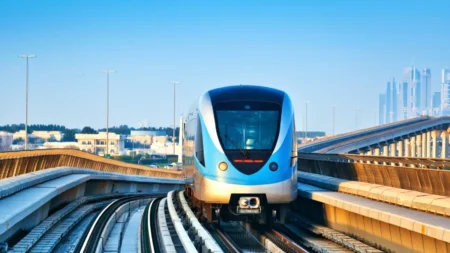
- Future metro or rail links, since expansion plans include improved public transport connectivity to Dubai South as the district and airport grow, though this infrastructure is still developing
- Hotel and tour transfers, with some operators near Dubai South and Jebel Ali offering shuttle services, worth checking if you’re flying a charter or low-cost carrier from DWC
Should you expect to fly from DWC?
For most visitors flying major international carriers into Dubai today, you’ll still land at DXB. DWC becomes relevant if you’re booking with a specific low-cost or charter airline that operates from there, attending an event like the Dubai Airshow, or if you’re simply curious about the site that will eventually become Dubai’s main gateway. Always check your booking confirmation carefully, since DXB and DWC are genuinely different airports a significant drive apart, and turning up at the wrong one is a mistake worth avoiding.
A brief history of DWC
Al Maktoum International first opened for cargo operations in 2010, and has since expanded in phases to include passenger services, general aviation and major event hosting. It was conceived from the outset as part of the wider Dubai World Central development, a self-contained logistics and aviation city that also includes residential, commercial and industrial zones around Dubai South. The airport’s cargo operations in particular have grown into a significant part of the region’s air freight network, handling substantial volumes independent of its still-developing passenger role.
For aviation enthusiasts
DWC’s runway capacity and open desert surroundings have made it a popular stop for air show spectators and aviation photographers, particularly during the biennial Dubai Airshow, one of the industry’s largest events, which draws major manufacturers, airlines and military delegations from around the world. Outside of show weeks, the airport’s day-to-day operations are considerably quieter than DXB’s, which makes it an interesting contrast for anyone curious about the gap between Dubai’s current aviation hub and its future one.

What to expect if you do fly through DWC
If your airline does operate from DWC, expect a smaller, quieter terminal experience than DXB, generally with shorter queues and a more straightforward check-in process, reflecting its current lower passenger volumes. Ground transport options are more limited than at DXB, so it’s worth arranging a taxi, ride-hailing pickup or hotel transfer in advance rather than assuming you’ll find plentiful options on arrival, particularly late at night.
Cargo and logistics role
It’s easy to overlook, given the focus on future passenger numbers, but DWC already plays a serious role in regional air cargo today, positioned within the wider Dubai South free zone alongside major logistics operators. This cargo-first identity is likely to continue running in parallel with passenger growth rather than being replaced by it, meaning DWC’s long-term footprint spans far more than just terminal buildings.
Frequently Asked Questions
Is Al Maktoum International Airport the same as Dubai International Airport?
No. DXB (Dubai International) is the current main airport near central Dubai. DWC (Al Maktoum International) is a separate, newer airport in Dubai South, planned to eventually become the emirate’s primary hub.
How far is DWC from Downtown Dubai?
Roughly 45 minutes to an hour by car, depending on traffic, noticeably further than DXB, which sits much closer to the city centre.
Which airlines currently fly from DWC?
DWC currently handles cargo, some low-cost and charter passenger services, and general aviation. Airline line-ups can change, so check your specific booking or the official Dubai Airports website for the latest operating carriers.
When will DWC become Dubai’s main airport?
Dubai’s aviation authorities have outlined a multi-phase expansion over roughly the coming decade to grow DWC into the emirate’s primary hub, but specific dates for major transfers have shifted before and should be treated as indicative rather than confirmed. Check official announcements for the latest timeline.