Key Takeaways
- Dubai public transport reached a record 348.1 million passengers in the first half of 2026, averaging 1.9 million daily commutes.
- The Metro dominates transport with 136.5 million riders, while taxis and buses follow closely with 88.9 million and 85.1 million, respectively.
- Rapid population growth outpaces infrastructure development, leading to congestion and pressure on public transport systems.
- January was the busiest month, with BurJuman and Union as major interchanges, influenced by tourist influx and local commuting patterns.
- To avoid peak congestion, travellers should use the Metro off-peak and utilise a Nol card for seamless transfers.
Dubai’s Roads and Transport Authority (RTA) reported 348.1 million passengers used public transport, taxis, and shared mobility in the first half of 2026. This averages nearly 1.9 million daily commuters. The city is moving more people than ever before.
RTA data shows a shift in habits. More people are opting for integrated systems over private cars. This is a necessity given the volume of people living and working here. The physical pressure is visible on platforms and in ticket machine queues during the morning rush.
Metro, taxis, and buses
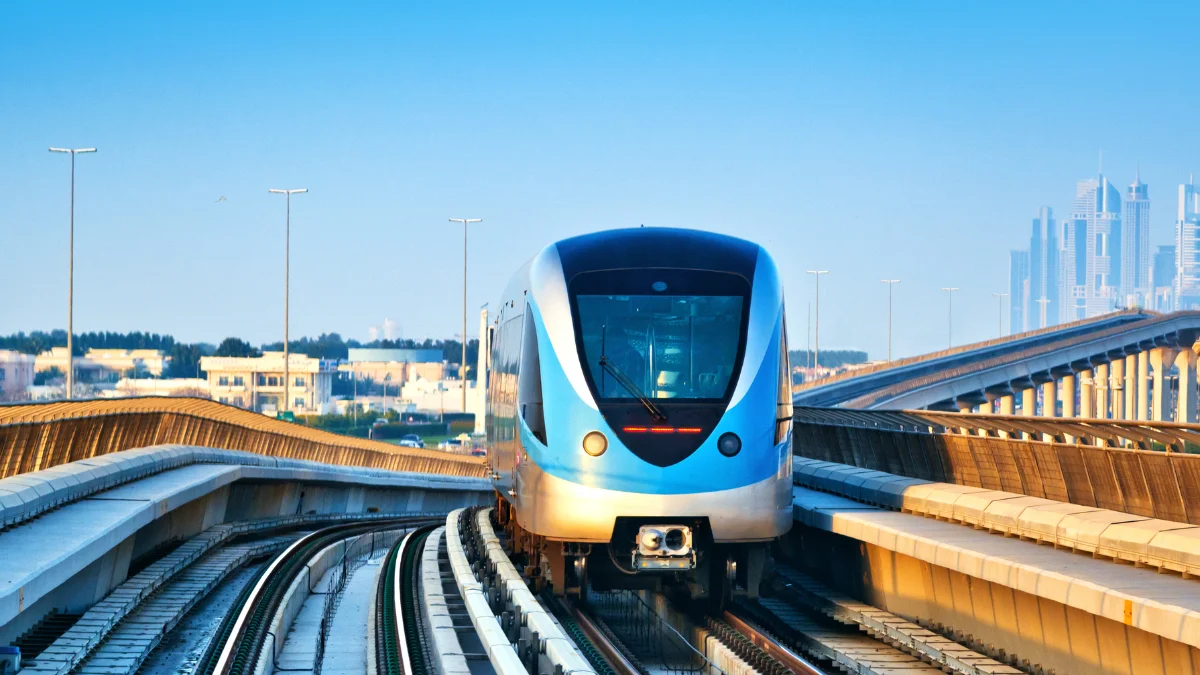
The Dubai Metro dominates the network with 136.5 million passengers across the Red and Green lines. Taxis followed with 88.9 million riders. Public buses moved 85.1 million people. These three modes account for almost 90% of all city journeys.
The Metro handles the heaviest lifting. The Red Line carries the corporate weight of the city, while the Green Line serves older, denser districts. Taxis remain a critical secondary option. The 88.9 million riders show that point-to-point travel is highly valued for those avoiding the last-mile walk from a station to an office.
Buses move 85.1 million people, providing a network the Metro cannot reach. Without the bus system, the Metro would be less accessible. The remaining 10% of journeys are split across the Dubai Tram, luxury limousines, and shared mobility. Marine transport, such as ferries and traditional abras, provides essential crossings in the Creek areas.
Infrastructure challenges
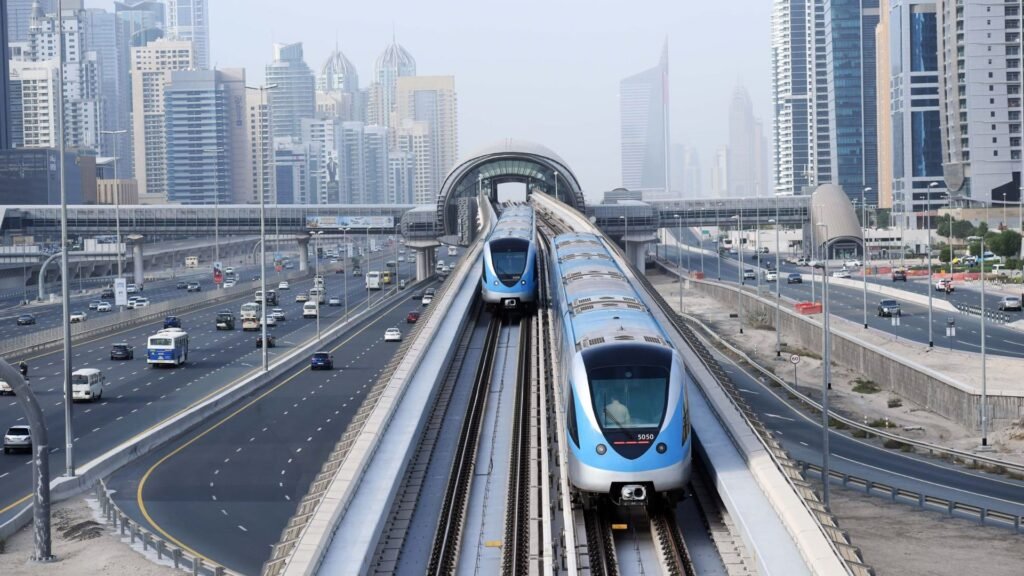
Dubai is growing faster than its infrastructure fixes can be implemented. This expansion has placed pressure on road networks and public transport, leading to the congestion and passenger volumes seen in the RTA data. Traffic has grown exponentially over the last couple of years. The public transport system feels the same strain.
Population growth outpaces the time it takes to lay new tracks or add bus lanes. When a new residential tower or business hub opens, thousands move in overnight. The transport network reacts to that sudden surge. Often, the fix comes after the congestion has become a daily headache.
The RTA numbers are a sign of success and a warning. The system is being pushed to its limits. There is a gap between how fast the city grows and how fast the infrastructure can catch up.
Busiest transit hubs and peak periods
January was the busiest month with 73.4 million journeys. BurJuman and Union are the top interchange stations. On the Red Line, Al Rigga, Mall of the Emirates, and Business Bay lead footfall. The Green Line busiest stations are Sharaf DG, Baniyas Square, and Stadium.
January’s peak is driven by the weather, which brings in tourists and encourages residents to leave their cars at home. BurJuman and Union handle the heaviest flow of people switching between the Red and Green lines. If you are travelling during rush hour, these are the points where you will feel the crowd most.
On the Red Line, Al Rigga takes the lead. Mall of the Emirates and Business Bay follow. These stations serve as gateways to major retail and commercial hubs. The Green Line has its own pressure points. Sharaf DG is the busiest, followed by Baniyas Square and Stadium. These areas are dense and serve a different demographic of the city’s workforce.
Navigating the network
To avoid peak congestion, use the Metro during off-peak hours and plan taxi trips around Friday evening rushes. Use a Nol card for transfers between the Metro, bus, and marine transport.
Timing is everything. Shifting your commute by 30 minutes can help you avoid the crush at stations like BurJuman. The difference between 8:00 am and 8:45 am is significant for platform crowding.
Friday nights require tactical planning. Use apps early or head to a designated taxi rank rather than trying to hail one on a busy street. The Nol card removes the friction of payment and allows you to switch from a bus to the Metro without stopping to buy new tickets.
For those using the Red Line, be mindful of the footfall at Business Bay and Al Rigga. If you are boarding at these stations during peak hours, move toward the ends of the platform. The centre is the most congested. Plan your commute by checking real-time RTA updates before you head out.