Part of our complete guide to Fashion in the UAE.
When people picture GCC fashion, streetwear rarely springs to mind first. The region has long been synonymous with luxury couture, designer retail and a polished sense of style that turned cities like Dubai into global fashion capitals. But over the past few years, a new wave of creatives and independent labels has quietly rewritten that story. Dubai Streetwear has also started making its mark, reshaping the city’s fashion identity in unexpected ways.
Key Takeaways
- Dubai Streetwear is emerging as a significant movement, blending regional influences with contemporary styles.
- Independent labels like Amongst Few, The Giving Movement, and Les Benjamins redefine the fashion landscape in Dubai.
- Shabab and Love Closely incorporate cultural elements into wearable designs, reflecting local youth culture.
- Events like Sole DXB and venues like Dubai Design District foster the local streetwear scene.
- Sustainable brands such as The Giving Movement are gaining recognition for ethical practices.
Streetwear in the Gulf has grown into a movement of its own, where oversized tailoring, graphic-heavy drops, underground music culture and regional influences collide into something far richer than trend-driven hype. Nowhere is that shift more visible than in Dubai right now. Here are six homegrown labels shaping the city’s fashion conversation — and proving the scene is only getting louder.
Amongst Few
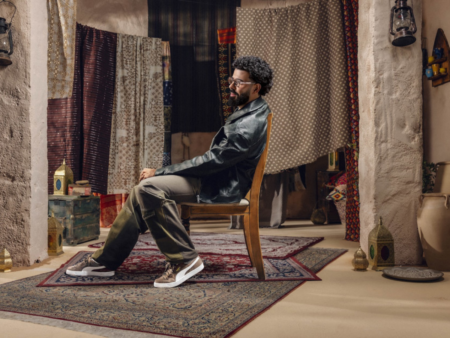
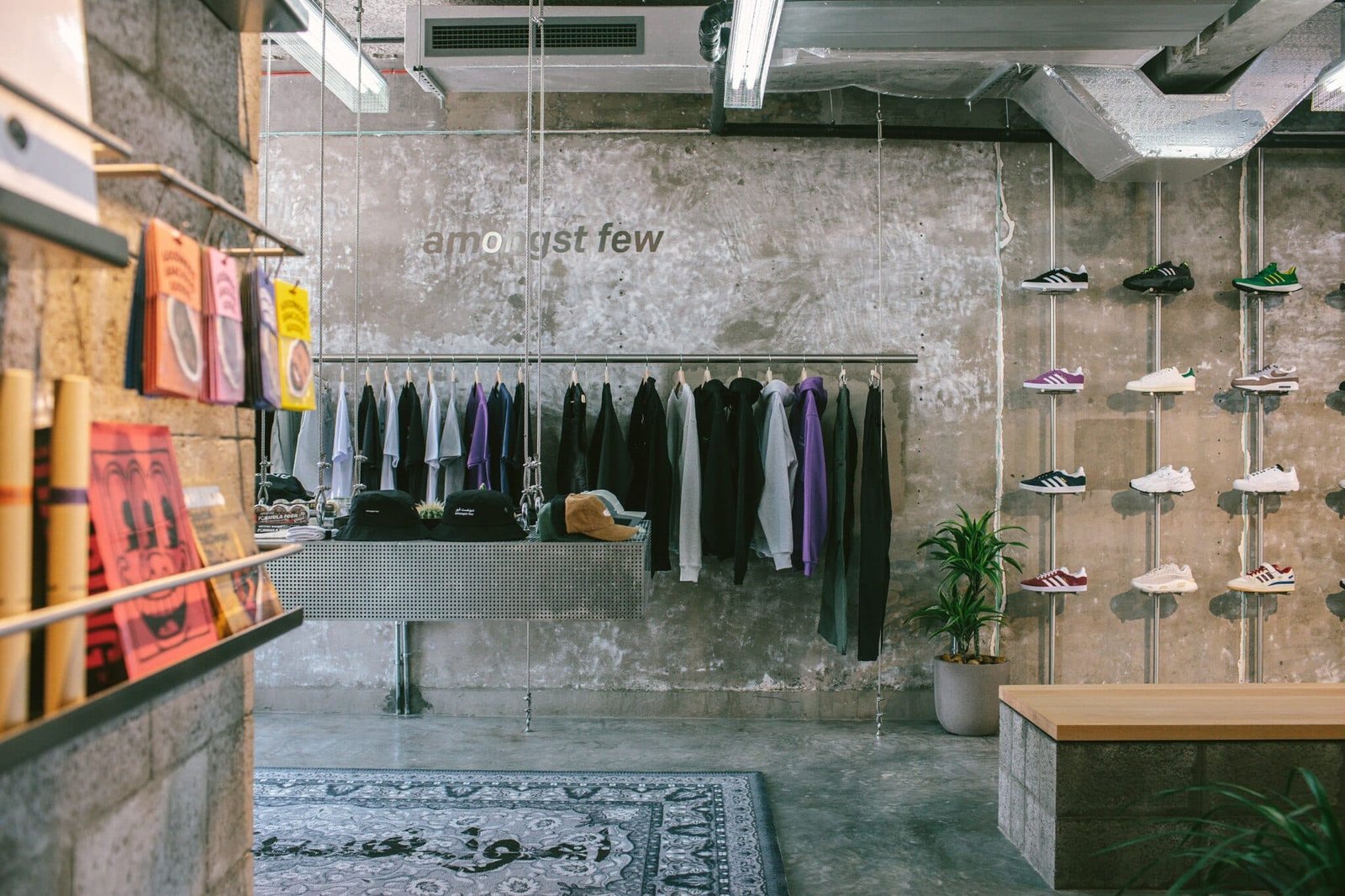
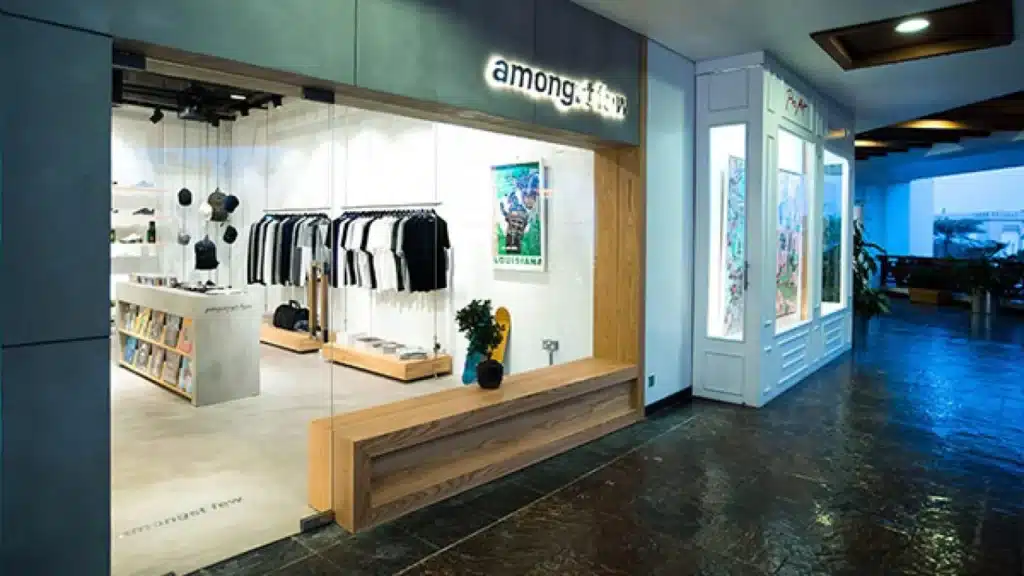
Long before regional streetwear entered the global conversation, Amongst Few was already defining its visual language. Founded in 2014 by Flo Moser and Mike Taylor, the label was one of the earliest to fuse Gulf cultural references with contemporary streetwear. Arabic typography, ghitra-inspired patterns, relaxed tailoring and workwear influences sit at the heart of its aesthetic. Beyond the clothing, the brand helped shape Dubai’s creative ecosystem through its café and concept store, a gathering point for artists, musicians, skaters and designers. Collaborations with the NBA and the Reebok Club C 85 “Magic Carpet” — inspired by traditional carpet craftsmanship — only cemented its influence.
The Giving Movement
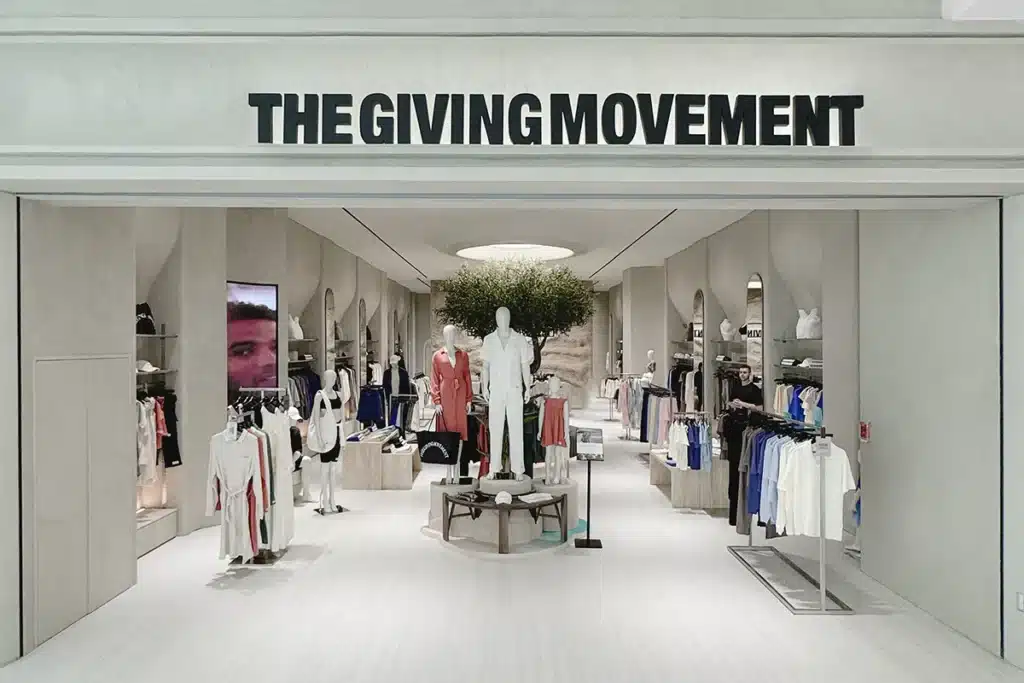
The Giving Movement reinvented the idea of elevated essentials in the region. Founded by Dominic Nowell-Barnes in 2020, it was built around local UAE production, sustainability and ethical manufacturing, arriving just as shoppers grew more conscious about how their clothes are made. Oversized hoodies, coordinated sets and understated basics quickly became signatures, landing the label right at the intersection of comfort and contemporary dressing. Its commitment to producing everything locally marked a genuine turning point for the regional industry, proving that globally relevant fashion could be built from within the Gulf itself.
Les Benjamins
With its Dubai flagship and a strong presence across the Middle East, Les Benjamins continues to blur the line between fashion and cultural documentation. Founded by Bünyamin Aydın, the label consistently explores migration, identity and East-West exchange through collections that feel deeply researched yet emotionally resonant. Its narrative universe, El Gringo traces the intersections between Ottoman migration, Mexican culture and contemporary fashion — touching everything from Turkic nomadic motifs and Navajo weaving parallels to the migration history behind tacos al pastor. Crucially, rather than viewing Eastern identity through a Western lens, Les Benjamins centres the East within its own story. That perspective has become one of its defining strengths.

Shabab
Founded by photographer Cheb Moha and Zaineb Hasoon, Shabab channels the energy of Arab youth culture into understated, highly wearable staples. Think oversized hoodies, relaxed trousers, graphic tees and everyday essentials that prioritise ease without losing character. The brand feels closely tied to the creative communities driving contemporary Dubai, spanning photography, music, nightlife and street culture. What makes Shabab resonate is its authenticity — it understands that streetwear works best when it genuinely reflects the people wearing it.
Love Closely
Founded by Sharjah-raised creative Taha Yousuf, Love Closely approaches streetwear through culture, memory and storytelling. The label blends South Asian, Persian and Middle Eastern references with contemporary silhouettes, weaving in Urdu poetry, Arabic phrases and traditional artwork. Yousuf’s background growing up between hip-hop culture and South Asian heritage shaped a visual identity that feels deeply personal yet globally relevant. That perspective drew international attention fast: the label has been worn by Drake, French Montana, Riz Ahmed and Roy Woods, with pieces even appearing in Drake’s “What’s Next” music video.

Precious Trust
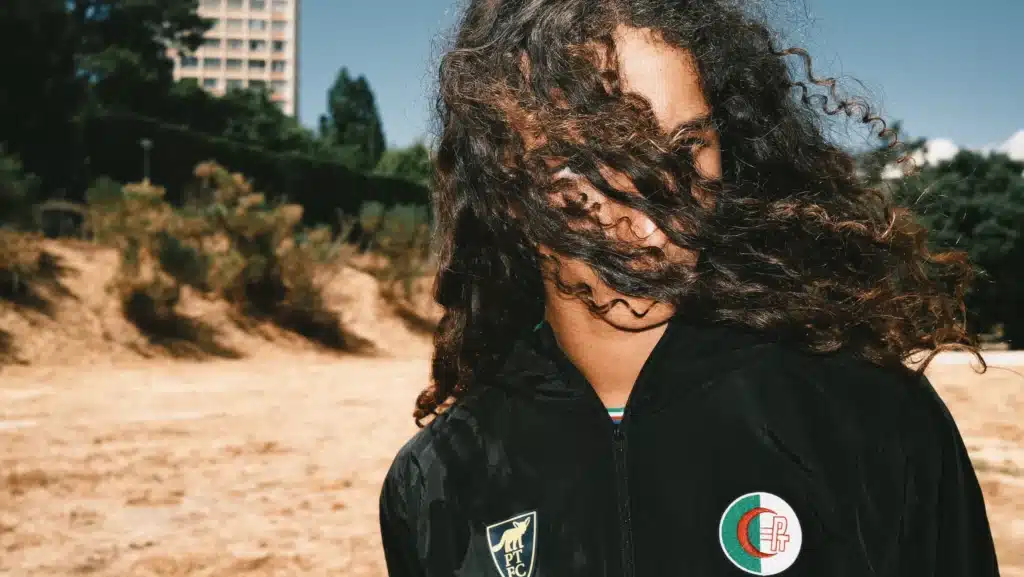
Founded in 2018 by Algerian native Wathek Allal, Precious Trust merges contemporary Western fashion with Algerian heritage in a way that feels instinctive rather than overly conceptual. The Dubai-based label leans on clean silhouettes, refined construction and subtle cultural references that reveal themselves through detailing and craftsmanship. Instead of treating heritage as decoration, it folds it naturally into the clothing. The result is elevated streetwear shaped by dual identity — reflecting both North African influence and Dubai’s globally connected fashion landscape.
Where to discover Dubai’s streetwear scene
If these labels have you wanting to dig deeper, Dubai gives you plenty of ways in. Sole DXB, the city’s flagship streetwear, sneaker and culture festival, is the single best place to see homegrown brands sit alongside global heavyweights each year — it started small, with roughly 1,000 people at its first sneaker-and-film-screening event back in 2011, before establishing a permanent home in Dubai Design District by 2015 and growing into the three-day festival it is today. Dubai Design District (d3) has become a natural home for the creative community too, hosting studios, pop-ups and events throughout the calendar. Beyond that, concept stores and Instagram-led drops keep the scene moving at pace — so following these labels directly is often the fastest way to catch a release before it sells out.
Beyond the six above, keep an eye on SN3 Studio (founded by Ahmed Shareef, Abdallah Abbas and Mahdi Jali, celebrating Sudanese and African creativity), Moonlanding (Sudanese art director Marrwan Elhussein’s whimsical, oversized-tee label) and Peace Venue (founded by Dubai dentist-turned-designer Abdullah, with recent collections debuting at Sole DXB itself) — three more homegrown names building genuine followings in the same scene.
Frequently asked questions
Dubai’s streetwear scene has grown into a genuine movement, blending oversized tailoring, graphic design, music culture and regional influences. A wave of independent, homegrown labels is now shaping the city’s fashion conversation alongside its traditional luxury reputation.
Love Closely has been worn by the likes of Drake, French Montana, Riz Ahmed and Roy Woods, with pieces featuring in Drake’s “What’s Next” music video.
Yes. The Giving Movement built its identity around local UAE production, sustainability and ethical manufacturing, making it one of the region’s most recognisable conscious labels.
Sole DXB and Dubai Design District (d3) are great starting points, alongside concept stores and the labels’ own Instagram-led drops, which are often the quickest way to shop new releases.