Close Menu
Whats Hot in UAE Whats Hot in UAE
    Facebook X (Twitter) Instagram
    Facebook X (Twitter) Instagram YouTube Bluesky Reddit TikTok Threads
    Whats Hot in UAE Whats Hot in UAE
    • LATEST NEWS
    • GOING OUT
      • UAE Nightlife: The Ultimate Guide to the Region’s After-Dark Culture
      • Nightlife
      • Concerts
      • Festivals
      • Restaurants
      • Cultural
      • Bars
      • Beaches
      • Comedy
      • Family
      • Hotels
      • Pools
      • Tourism
    • LIFESTYLE
    • SNEAKERS
    • CRYPTOCURRENCY
    • ENTERTAINMENT
    • LIVING IN THE UAE
    • UAE Guides
      • Dubai
      • Dubai Happy Hours
      • Abu Dhabi
      • Sharjah
      • Ras Al Khaimah
      • Fujairah
      • Ajman
      • Umm Al Quwain
    Whats Hot in UAE Whats Hot in UAE
    Home » What Really Happened to Ecko Unlimited? From Iconic Streetwear to Cultural Fade‑Out
    Lifestyle

    What Really Happened to Ecko Unlimited? From Iconic Streetwear to Cultural Fade‑Out

    By Alina AliFebruary 19, 2025Updated:May 21, 202612 Mins Read
    Facebook Twitter LinkedIn Email Reddit Copy Link
    Follow Us
    Facebook X (Twitter) Instagram YouTube TikTok
    A black and white image showing the silhouette of a rhinoceros inside an oval shape, with a speckled texture surrounding it.
    Share
    Facebook Twitter LinkedIn Email Bluesky Reddit WhatsApp Threads Copy Link

    The distinctive rhino logo, once a ubiquitous emblem of urban cool, represented more than just a fashion statement; it was a uniform for a generation. Ecko Unlimited exploded onto the streetwear scene in the late 1990s, embodying an undeniable urban attitude and playful rebellion that resonated from New York to Dubai. Founded by Marc Ecko, the brand’s graffiti-inspired designs and bold graphics quickly made it a global fashion powerhouse. Yet, by the mid-2010s, its cultural relevance seemed to dim, overshadowed by a new wave of streetwear giants. This article unpacks Ecko Unlimited’s meteoric rise, the missteps that led to its decline, and whether a comeback is truly on the cards for this iconic brand.

    TL;DR: Once the king of streetwear, now almost gone. Ecko Unlimited’s journey from streetwear icon to cultural fade-out offers crucial lessons on adaptation, authenticity, and digital engagement.

    In This Article

    • The Rise of Marc Ecko and His Streetwear Empire
    • How Ecko Ruled Early 2000s Style
    • The Beginning of the Fall: Macro Forces and Strategic Missteps
    • Ecko Unlimited in the UAE: A Nostalgic Look at Urban Style
    • What’s Left of Ecko Today? The Enduring Legacy and Collector’s Market
    • Can Ecko Make a Comeback? Strategies for a Modern Renaissance
    • Lessons from Ecko: Sustaining Relevance in the Streetwear Ecosystem
    • Frequently Asked Questions

    The Rise of Marc Ecko and His Streetwear Empire

    Marc Ecko launched Ecko Unlimited in 1993, merging graffiti art, music, and fashion into a unique streetwear brand. His vision, coupled with strategic hip-hop collaborations and a distinctive rhino logo, quickly propelled the brand to global recognition by the early 2000s, symbolising urban culture and self-expression.

    Marc Ecko’s roots were firmly planted in the vibrant skate culture and burgeoning graffiti art scene of New Jersey, providing an authentic foundation for the brand’s urban fashion origins. In 1993, he launched Ecko Unlimited with a simple yet striking rhino logo, driven by a clear vision: to seamlessly merge art, music, and fashion. This wasn’t just about selling clothes; it was about creating a lifestyle that spoke directly to the heart of 90s streetwear.

    Within a few years, the brand’s authentic street cred became undeniable. Partnerships with prominent graffiti artists helped spread Ecko’s distinctive visual identity, turning garments into wearable canvases. Hip-hop collaborations further amplified its presence, with endorsements from cultural heavyweights like Nas and Snoop Dogg. Ecko’s clothing lines, characterised by oversized tees, hoodies, and baseball caps, were ripe for graphic statements that resonated deeply with urban youth seeking self-expression. By the turn of the millennium, Ecko Unlimited had become a global sensation, prominently featured in major retailers and adopted as a must-have for those defining urban culture. This period cemented Marc Ecko’s rise and the Ecko Unlimited history as a streetwear empire.

    How Ecko Ruled Early 2000s Style

    Ecko dominated early 2000s style by leveraging authentic street connections through graffiti battles and hip-hop showcases. The brand featured eye-catching slogans, collaborated with music icons and athletes, and utilised television spots, cementing its mainstream appeal and cultural capital during a pivotal era for urban fashion.

    Ecko didn’t just participate in early 2000s fashion; it dictated it. Marc Ecko leveraged what we now recognise as influencer-style marketing long before social media platforms existed. He understood the power of authentic street connections, organising graffiti battles and hip-hop showcases that kept the brand firmly embedded in the culture it represented.

    The brand’s success was built on smart tactics. Tees featured eye-catching slogans like “Techno Rhino” and “Fresh To Death,” which became instant identifiers of Ecko’s 2000s style. Collaborations with music icons and athletes further increased its cultural capital, making Ecko a symbol of cool and demonstrating its streetwear cultural impact. Its pervasive presence on television and MTV spots cemented its mainstream appeal, ensuring that the distinctive rhino logo was seen everywhere. This aggressive and integrated marketing strategy yielded significant market dominance, though some industry analysts now suggest it also sowed the early seeds of warning signs around managing trends and maintaining relevance. Ecko truly pioneered the idea that a brand could be both a fashion statement and a cultural movement, achieving significant urban fashion dominance.

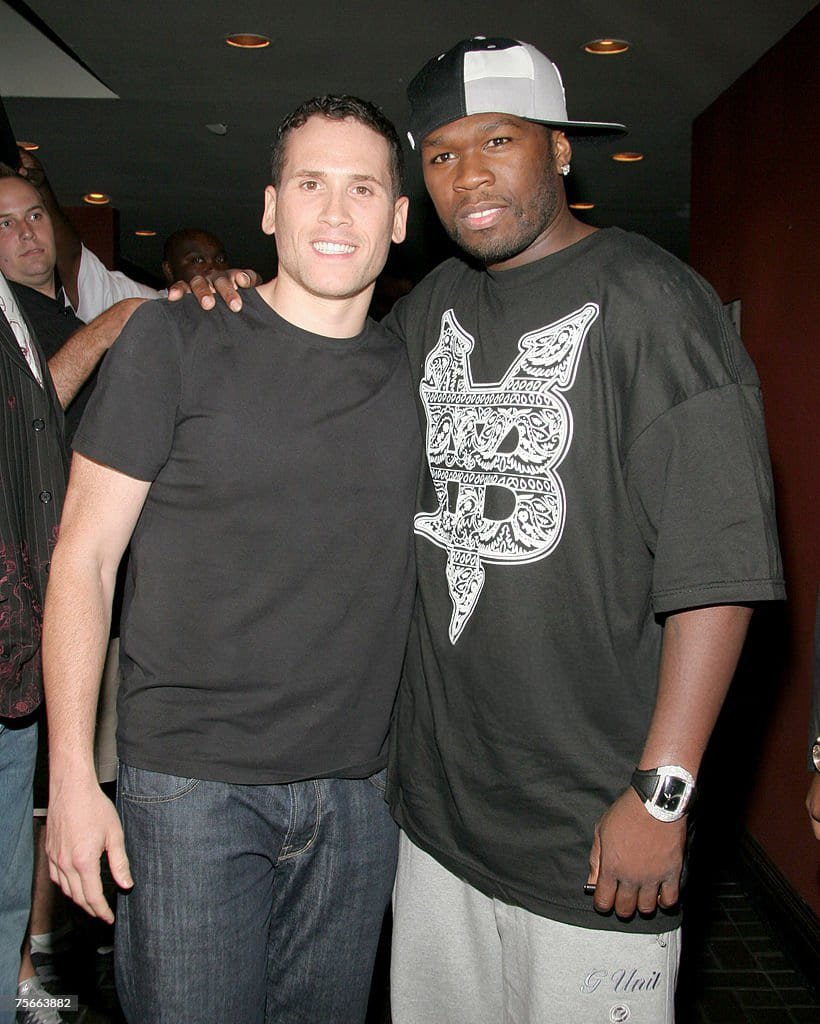
    MARC ECKO & 50 CENT posing together, one wearing a black graphic Ecko Unlimited T-shirt and dark jeans, and the other wearing an oversized black shirt with a patterned design and a cap turned sideways. They are standing in front of a dimly lit indoor setting.
    Marc Ecko and 50 Cent

    The Beginning of the Fall: Macro Forces and Strategic Missteps

    Ecko’s decline began around 2010 due to market saturation from fast-fashion, a cultural shift towards minimalist or luxury streetwear, and founder Marc Ecko’s diversification. Strategic misfires included failing to adopt ‘drop culture’, lagging in digital engagement, and overextending into inconsistent licensing, which diluted brand value and street credibility.

    The early 2010s marked a turning point for Ecko Unlimited, as a confluence of macro forces and strategic miscalculations began to challenge its once-unshakeable dominance. Market saturation became a significant issue, with fast-fashion competitors like H&M and Zara undercutting prices dramatically. Where an Ecko graphic tee might have retailed for AED 150-250 at its peak, these new players offered similar styles for AED 50-80, shifting consumer wallets and making it harder for premium streetwear to compete.

    Culturally, consumer preferences pivoted sharply. The bold, maximalist aesthetic Ecko championed gave way to minimalist designs or the high-luxury street looks pioneered by brands such as Supreme, Off-White, and Fear of God. Industry analysts widely observed this pivot, noting how these new streetwear giants redefined the landscape, leading to Ecko’s decline. Simultaneously, Marc Ecko himself diversified into other ventures, including video games like Marc Ecko’s Getting Up and various philanthropic efforts. While commendable, this founder distraction arguably led to a loss of core brand focus, a common issue highlighted in business case studies on brand missteps.

    Strategic misfires further sealed the brand’s fate. Ecko failed to pioneer “drop culture,” a strategy that kept competitors’ audiences engaged with limited, exclusive releases. The brand also lagged significantly in digital engagement, missing the crucial early waves of e-commerce and social media storytelling on platforms like Instagram and TikTok. Perhaps most damaging was the overextension into inconsistent licensing agreements. From linens to skateboards, the diluted brand lost its coveted street credibility, as the quality and innovation of licensed products often failed to reflect the original vision, leading to a streetwear fashion fade-out. By the mid-2010s, revenue decline forced layoffs and store closures, and the once-flashy rhino logo, ironically, began to feel dated.

    Ecko Unlimited in the UAE: A Nostalgic Look at Urban Style

    Ecko Unlimited held significant cultural sway in the UAE, particularly among residents who embraced urban music and nightlife. Its bold graphics and hip-hop associations resonated deeply, making Ecko a must-have brand that defined a specific era of street fashion and self-expression across Dubai and Abu Dhabi.

    For many residents of the UAE, Ecko Unlimited wasn’t just a brand seen in magazines; it was a tangible part of their urban landscape. Ecko Apparel was widely recognised and readily available in major retail outlets like Foot Locker and Sun & Sand Sports, with prominent displays across iconic shopping destinations such as the Mall of the Emirates. The distinctive rhino logo and graffiti-inspired designs were a common sight in the ‘urban wear’ sections of department stores like Debenhams and Lifestyle across the Emirates, catering to a demographic seeking bold, expressive fashion, marking a significant period for UAE streetwear history.

    Ecko’s appeal was particularly strong within Dubai’s diverse expat communities, especially those influenced by American hip-hop culture. Local fashion observers often recall Ecko’s distinctive presence, noting that you’d see Ecko gear everywhere from casual meetups in JBR to weekend gatherings in Dubai Marina, defining Dubai urban fashion. The brand’s connections to urban music and nightlife made it a defining fashion statement, a visual shorthand for a certain era of cool in Abu Dhabi and Dubai’s nightlife style. The decline mirrored global trends, however, as the rapid influx of fast-fashion by the mid-2010s made it increasingly difficult for premium streetwear brands like Ecko to maintain their market share locally. For a broader overview of fashion, culture, icons and streetwear shaping the region, explore our full Lifestyle hub.

    Three individuals crouched on the floor, collaboratively arranging papers spread out in front of them.
    Marc Ecko & Ecko Red, 1999

    What’s Left of Ecko Today? The Enduring Legacy and Collector’s Market

    Today, Ecko Unlimited maintains a niche presence through sporadic collaborations and a cult fanbase driven by nostalgia. Vintage Ecko garments are sought after on resale platforms, indicating a collector’s market.

    Despite its significant decline from its heyday, Ecko Unlimited still holds a certain enduring value and cultural footprint. The Ecko legacy persists through sporadic collaborations, often featuring vintage-inspired merchandise or sneaker drops, which cleverly tap into the powerful current of fashion nostalgia that pervades contemporary fashion. These limited runs signal potential strategic revival efforts by leveraging the brand’s rich history.

    A dedicated cult fanbase, fuelled by a deep appreciation for its role in 90s and early 2000s streetwear, continues to support the brand. This sentiment has given rise to a vibrant collector’s market for vintage Ecko garments on various resale platforms. This niche is a significant part of the broader vintage streetwear market, where enthusiasts value authenticity and historical significance. It’s not uncommon to find collectors in the UAE, particularly in areas like Al Quoz, actively seeking out authentic pieces through online forums or local consignment shops, valuing the history embedded in each item.

    Can Ecko Make a Comeback? Strategies for a Modern Renaissance

    Ecko could achieve a comeback by leveraging 90s nostalgia, collaborating with established designers, and adopting digital-first drops. Reconnecting with music and skate culture through authentic storytelling, with Marc Ecko’s direct involvement, would also be crucial for revitalising the brand’s perception.

    The question of whether Ecko Unlimited can stage a comeback in today’s cutthroat fashion landscape is complex, but several pathways exist for a potential modern renaissance. One powerful strategy lies in leveraging the pervasive power of 90s nostalgia. We’ve seen brands like Tommy Hilfiger and FUBU successfully ride this wave, reintroducing classic designs to a new generation and re-engaging original fans, proving the viability of a streetwear brand revival.

    Another avenue is through high-profile designer collaborations, similar to how brands like Supreme or Off-White elevate their perceived value. Partnering with established names or emerging designers could revitalise Ecko’s perception and introduce its aesthetic to a fresh audience, contributing to an Ecko comeback potential. Fashion industry experts consistently highlight that for older brands, a successful re-entry often hinges on a delicate balance between heritage and innovation. Reconnecting with its roots in music and skate culture through grassroots authenticity, coupled with Marc Ecko’s direct narrative involvement, would be vital for any genuine resurgence.

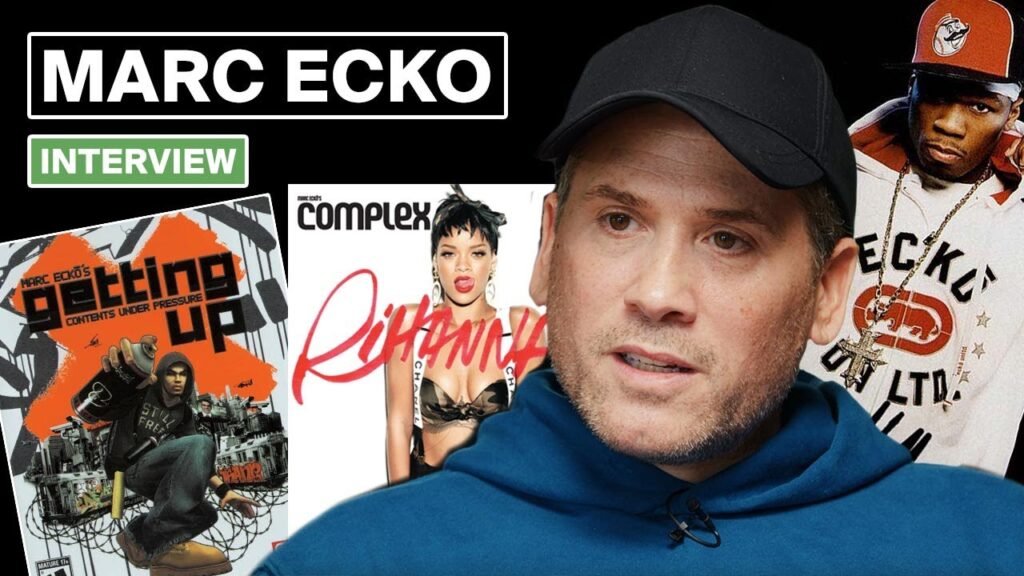
    A man in a blue hoodie and black cap is pictured against a backdrop of images from popular culture, including a video game cover, a magazine cover featuring a woman, and another featuring a musician WEARING Ecko Unlimited.
    Marc Eckō Built A Creative Empire, Almost Lost It All, + Came Out On Top

    Lessons from Ecko: Sustaining Relevance in the Streetwear Ecosystem

    Ecko’s journey offers vital lessons for streetwear brands on sustaining relevance. Key strategies include regularly updating core visuals, limiting distribution to preserve brand integrity, embracing new retail models with agility, and consistently using embedded storytelling alongside influencer partnerships to maintain authentic connections with evolving consumer bases.

    Ecko Unlimited’s tumultuous journey offers a robust blueprint for other streetwear brands aiming for sustained relevance in a constantly evolving market. The primary takeaway is the critical importance of agility and adaptation, highlighting crucial brand management lessons. Brands must regularly update their core visuals and design language, ensuring they remain fresh without losing their foundational identity, which is key for adapting to fashion trends.

    Limiting distribution to preserve brand integrity is another vital lesson. Overextension, as Ecko experienced, can dilute perceived value and erode street credibility. Today’s successful brands meticulously control their retail footprint, often opting for exclusive drops and direct-to-consumer models. Embracing new retail models, particularly digital ones, is non-negotiable. This includes not just e-commerce, but also leveraging social media for authentic storytelling and community building. Fashion industry experts frequently emphasise that brands must consistently use embedded storytelling and influencer partnerships to connect authentically with evolving consumer bases. Ecko’s story serves as both a cautionary tale of what happens when these elements are neglected and a powerful case study for how to build, lose, and potentially rebuild a cultural phenomenon.

    A person wearing a red cap and an Ecko T-shirt holds a burning pair of shoes with a blowtorch. The background features three black and white illustrations related to the shoes and the person.
    Fred Durst of Limp Bizkit

    Frequently Asked Questions

    What caused Ecko Unlimited’s decline?

    Ecko Unlimited’s decline was multifaceted, stemming from market saturation by fast-fashion brands, a cultural shift towards minimalist and luxury streetwear, and founder Marc Ecko’s diversification. Strategic missteps included failing to adopt drop culture, lagging in digital engagement, and overextending into inconsistent licensing agreements that diluted brand value and street credibility.

    Where can I find vintage Ecko Unlimited clothing?

    Vintage Ecko Unlimited pieces can be found on various online resale platforms like Depop, eBay, and Grailed. In the UAE, a niche market exists through online forums and local consignment shops, particularly in areas like Al Quoz, catering to collectors seeking nostalgic 90s and early 2000s streetwear.

    What is ‘drop culture’ in streetwear?

    Drop culture refers to the practice of releasing limited quantities of highly anticipated products at unannounced or specific, short-notice times. This strategy creates hype, exclusivity, and urgency, driving demand and fostering a dedicated community eager to secure rare items.

    Could Ecko Unlimited ever return to its former glory?

    A return to its exact former glory is challenging given the vastly changed fashion landscape. However, Ecko Unlimited possesses strong brand recognition and nostalgia. By strategically leveraging 90s trends, collaborating with designers, embracing digital-first drops, and authentic cultural storytelling, a significant and successful brand revival is certainly possible.

    Ecko Unlimited was more than just a brand; it was a movement that captured the essence of urban culture for an entire generation. Its tumultuous journey from streetwear icon to cultural fade-out offers invaluable lessons on the unforgiving nature of the fashion industry. While its inability to adapt, maintain exclusivity, and control its expansion ultimately led to its decline, the potential for a strategic comeback, fuelled by nostalgia and a savvy embrace of modern digital trends, remains. Ecko’s undeniable mark on streetwear history continues to resonate, particularly for those in the UAE who experienced its golden era, cementing its place as an enduring cultural phenomenon. Explore more iconic fashion stories and cultural trends shaping the UAE by visiting What’s Hot in UAE’s Lifestyle hub.


    Share. Facebook Twitter Email Bluesky Threads
    Previous ArticlePro-Bitcoin RFK Jr. Confirmed as US Secretary of Health and Human Services
    Next Article Breaking News: Hackers Steal $1.4 Billion from Bybit in the Largest Crypto Heist Ever

    Related Posts

    Primark Mall Of The Emirates

    Kevin Durant Reveals the Paris Saint-Germain x Nike KD 6

    UNIQLO UT Crosses the Finish Line With Its ‘Mario Kart World’ Collection

    Zenith Kicks Off Its “Double Signed Program” With a Naoya Hida & Co. G.F.J. Timepiece

    Supreme x Jordan Brand Spring 2026: The Full Collection

    Breitling Chronomat 2026: Haaland Fronts UAE Launch

    Editors Picks

    Darko De Jan: The Sound Architect of Dubai’s Luxury Nightlife

    June 13, 2026

    UAE Job Switch Rules: What You MUST Know Now

    June 13, 2026

    Smokingroove: Dubai’s House Music Institution

    June 12, 2026
    Tangem Crypto Wallet
    Whats Hot in UAE
    Facebook X (Twitter) Instagram Pinterest YouTube Bluesky Reddit TikTok SoundCloud
    • COOKIE POLICY
    • PRIVACY POLICY
    • CONTACT US
    • ABOUT US
    © 2026 What's Hot in UAE. Designed by The Creative One Agency.

    Type above and press Enter to search. Press Esc to cancel.

    Ad Blocker Enabled!
    Ad Blocker Enabled!
    Our website is made possible by displaying online advertisements to our visitors. Please support us by disabling your Ad Blocker.