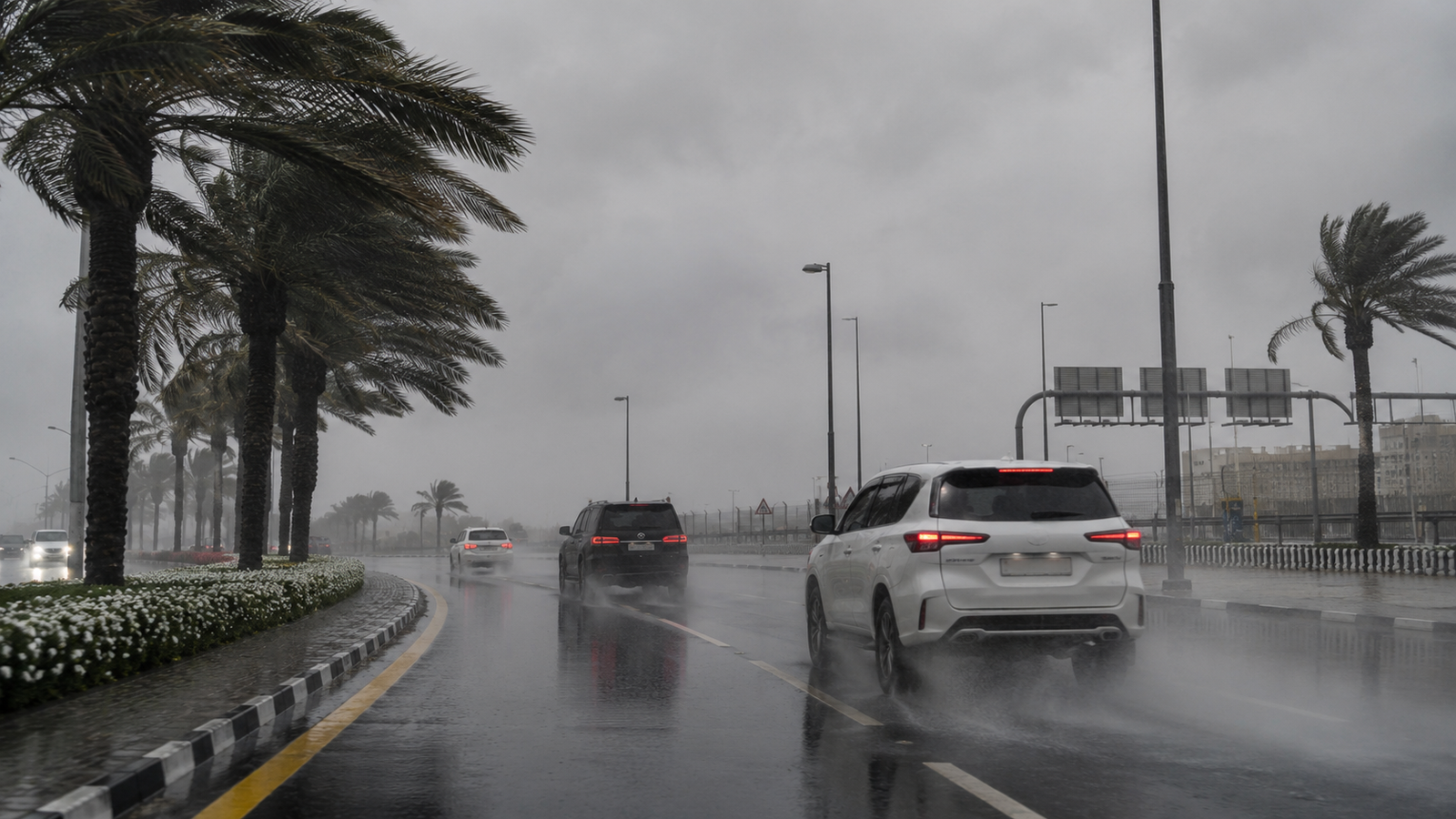
Summer rain in the UAE sounds like a paradox, but it is very real — and this week it is happening again. The National Centre of Meteorology (NCM) confirmed three days of rain across the Emirates from Tuesday, 23 June, through Thursday, 25 June 2026, with the Eastern Emirates bearing the brunt of the showers. If you have never witnessed summer rain in the UAE, it is worth understanding what causes it, which areas get it most, and what to do when it hits.
Why Does It Rain in the UAE in Summer?
Most UAE residents associate rain with the cooler months from December to March. But the country also experiences convective rainfall in summer — particularly over the Hajar Mountains and the Eastern Emirates. Hot air rises rapidly in summer, cools at altitude, and forms cumulonimbus clouds that can drop significant rainfall in a short period. The phenomenon is most pronounced in Fujairah, Ras Al Khaimah, and the Hatta region, where mountainous terrain accelerates cloud formation.
This is distinct from the winter frontal rain that sweeps across the whole country. Summer convective rain is localised, often intense, and can trigger flash flooding and natural waterfalls in mountain wadis.
This Week’s Rain: What the NCM Said
The National Centre of Meteorology issued the following forecast for 23–25 June 2026:
| Day | Forecast | Areas Most Affected |
|---|---|---|
| Tuesday 23 June | Heavy rain and thunder, waterfalls triggered in mountainous areas | Khor Fakkan, Fujairah mountains, Kalba |
| Wednesday 24 June | Fair to partly cloudy, convective clouds likely by afternoon, coastal humidity and mist overnight | Eastern Emirates, coastal areas |
| Thursday 25 June | Convective clouds may form by afternoon, chance of rain, temperature drop especially in the West | Eastern Emirates, Al Ain, inland areas |
Social media footage from Tuesday showed natural waterfalls cascading down the Khor Fakkan hillsides — a striking reminder that the Eastern Emirates can transform dramatically in summer.
Areas Most Likely to See Rain in the UAE
Not all of the UAE gets rain equally. The geography matters enormously. Here is a rough guide to which areas see the most precipitation across the year:
| Area | Rain Season | Type of Rain |
|---|---|---|
| Fujairah (coastal) | Summer + Winter | Convective (summer) + frontal (winter) |
| Khor Fakkan | Summer + Winter | Mountain-triggered downpours |
| Hatta | Summer + Winter | Flash floods in wadis common |
| Al Ain | Occasional summer | Convective, heavy when it comes |
| Ras Al Khaimah | Winter primary, occasional summer | Mountain showers, hail in winter |
| Dubai / Abu Dhabi | Winter primarily | Frontal rain, rare in summer |
| Dibba | Summer + Winter | Among highest rainfall totals in UAE |

What to Do During UAE Summer Rain
Summer rain in the UAE can be deceptively dangerous. The ground is bone dry and baked hard, which means water does not absorb quickly. Flash flooding can occur with very little warning, particularly in mountain wadis and low-lying roads. Here is what you need to know:
Stay out of wadis. This cannot be stressed enough. Wadis that look completely dry can fill with fast-moving water within minutes when rain falls upstream. Every year, vehicles and people are caught in wadi floods. If you are in or near a wadi and rain is forecast, leave immediately.
Reduce speed on wet roads. UAE roads are smooth and well-maintained, but the combination of oil residue from months of dry weather and the first rains creates extremely slippery surfaces. Hydroplaning is a real risk, especially in the first hour of rainfall.
Avoid flooded underpasses. Several underpasses across Dubai, Sharjah, and other emirates can pool water quickly. Do not attempt to drive through flooded underpasses — the depth is impossible to judge from the entrance.
Check the NCM app before heading to the mountains. The National Centre of Meteorology app and website publish real-time alerts and radar imagery. If you are planning a trip to Fujairah, Hatta, or the Hajar Mountains, check conditions before you go.
Update, Late July 2026: The Rain Has Kept Coming
The late-June rain wasn’t a one-off. The NCM forecast further rainfall across parts of the UAE on 28 July 2026, with light-to-moderate winds and a continued chance of afternoon convective showers over eastern and western areas into the final days of the month. The reason: El Niño conditions were confirmed to prevail across the region from July through November 2026, with forecasters expecting temperatures and rainfall both to run near or above seasonal averages for the rest of summer. In practice, that means the pattern described in this article — sudden mountain downpours, flash waterfalls in Fujairah and Ras Al Khaimah, and brief but intense coastal showers — is more likely to recur through the autumn than in a typical UAE summer.
The Silver Lining: Temperature Drops
Rain in June is not entirely unwelcome. The NCM forecast for Thursday, 25 June, specifically noted a noticeable temperature decrease, particularly in the western parts of the country. After weeks of 44–47°C heat, even a few degrees of relief feels significant. Residents in Fujairah and Al Ain can expect genuinely pleasant conditions during and immediately after rainfall.
The Eastern Emirates also look spectacular after summer rain — mountain slopes turn briefly lush, waterfalls run at full force, and the air quality improves noticeably. For UAE residents who have not visited Fujairah or Khor Fakkan, a post-rain weekend trip is genuinely worth planning.

How to Track UAE Weather in Real Time
The most reliable official source is the National Centre of Meteorology. Their tools include:
| Resource | What It Shows |
|---|---|
| NCM app (iOS & Android) | Hourly forecasts, radar maps, severe weather alerts |
| ncm.ae | Full forecast data, historical records, warnings |
| NCM Twitter/X account (@NCMAEUAE) | Real-time warnings and storm alerts |
| Storm Centre UAE (@storm_ae on Instagram) | Community weather monitoring, mountain area updates |
UAE Summer Rain: FAQs
Does it actually rain in the UAE in summer?
Yes, though it is localised rather than nationwide. The Eastern Emirates — Fujairah, Khor Fakkan, Kalba, Hatta, and the mountainous parts of Ras Al Khaimah — receive convective summer rainfall driven by hot air rising over the Hajar Mountains. Dubai and Abu Dhabi see summer rain far less frequently.
Is summer rain in the UAE dangerous?
It can be. The main risks are flash flooding in wadis and low-lying roads, and slippery road surfaces caused by oil residue mixing with water. Staying away from wadis and reducing driving speed are the two most important precautions.
Which parts of the UAE get the most rain?
Dibba, Fujairah, and Khor Fakkan receive the highest annual rainfall totals in the UAE, thanks to their mountainous terrain and proximity to the Gulf of Oman. Al Ain and Hatta also see above-average precipitation compared to Dubai or Abu Dhabi.
When is the UAE winter rain season?
The main frontal rain season runs from December through to March, when cold weather systems track across the Arabian Peninsula. This type of rain affects the whole country, not just the Eastern Emirates.
How do I get UAE weather alerts?
Download the official NCM app or follow @NCMAEUAE on X (Twitter) for real-time weather alerts and storm warnings. The NCM issues yellow, orange, and red-level warnings ahead of severe weather events.
Can I visit Fujairah or Hatta during the summer rain?
Yes, but plan carefully. Check the NCM forecast and avoid all wadis during or immediately after rainfall. Roads in mountainous areas can be slippery, and visibility can drop quickly. With those precautions in place, a post-rain visit to the Eastern Emirates can be genuinely spectacular.